
Groundwater Control
Managing groundwater via cutoff walls or collection systems for temporary construction water management, or long-term environmental management.
Overview of groundwater control
Groundwater control encompasses the techniques used to manage subsurface water by containing, collecting, or redirecting flow. Groundwater control can range from short-term applications to support subsurface construction activities or long-term applications such as environmental protection, contaminant isolation, and dam and levy improvements. Geo-Solutions has been completing projects in various applications of groundwater control for nearly 50 years including low-permeability barrier walls, deep collection trenches, and reactive/treatment walls like PRBs.
The choice of groundwater control method depends on factors such as soil and site conditions, presence and type of contaminants, desired performance, and duration of performance. Depending on those factors, GSI offers many solutions including vertical cutoff walls installed via slurry trenching or soil mixing, mass hydraulic conductivity reduction via monolithic in-situ stabilization/solidification (ISS), deep granular collection trenches, or permeable reactive barriers (PRBs) and funnel-and-gate systems.
Key Benefits
- Reduce dewatering during subsurface construction
- Reduce/eliminate contamination migration
- Improve targeted groundwater treatment
- Improve existing water control infrastructure
- Proven longevity & QA/QC: designs and backfills documented for long-term groundwater control, protection, and treatment performance.
Applications
- Levees & dams: permanent groundwater cutoff to manage seepage and improve stability by reducing undercutting and internal erosion.
- Construction excavations: reduce dewatering and water management volumes during excavations below groundwater table
- Contaminated sites: integrate perimeter barriers, treatment gates, collection trenches, and mass stabilization to isolate and mitigate offsite seepage of contaminated soils/groundwater.
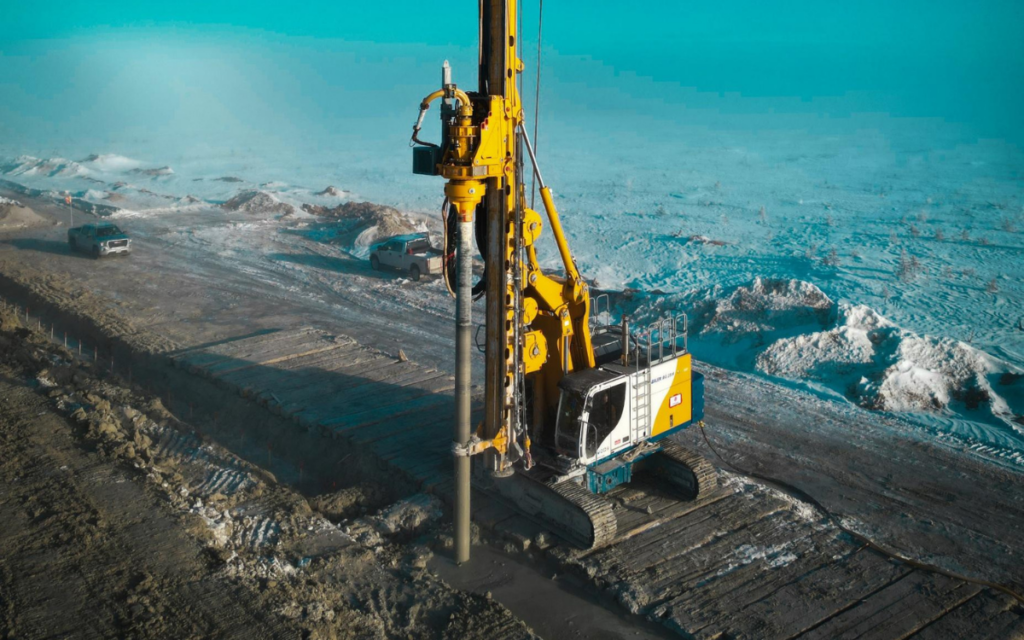
Soil Mixing
Soil mixing refers to various methods used to blend in situ soils with reagents to improve the soil properties relative to the soils alone. Soil mixing can be used to solve a variety of geotechnical and environmental problems.
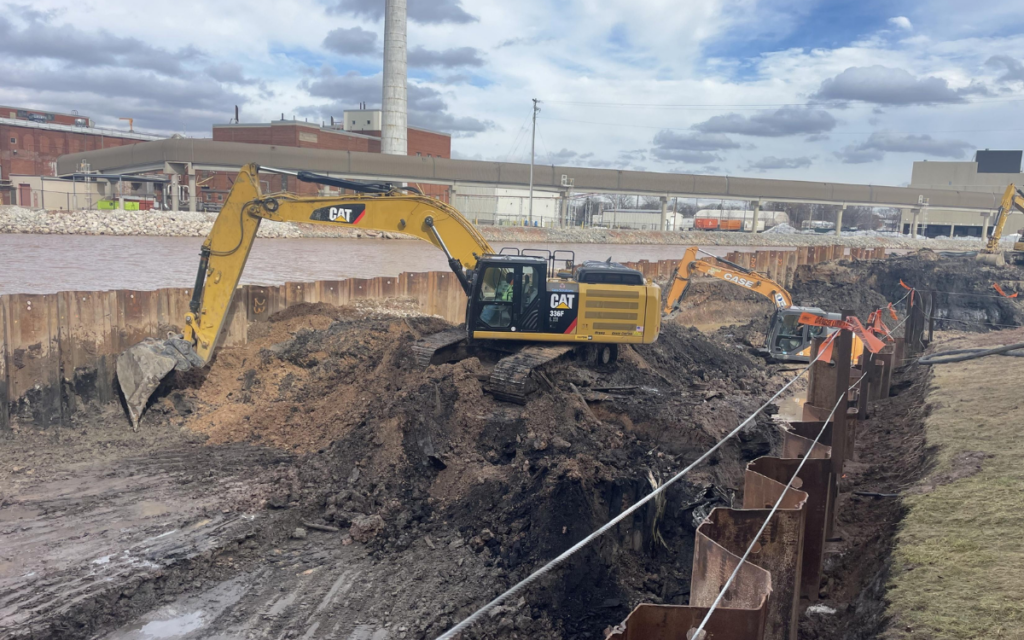
sheetpiling
Sheetpiling refers to the installation of interlocking sheets to retain soil and water. Sheet pile walls can be used for temporary and permanent earth retention.
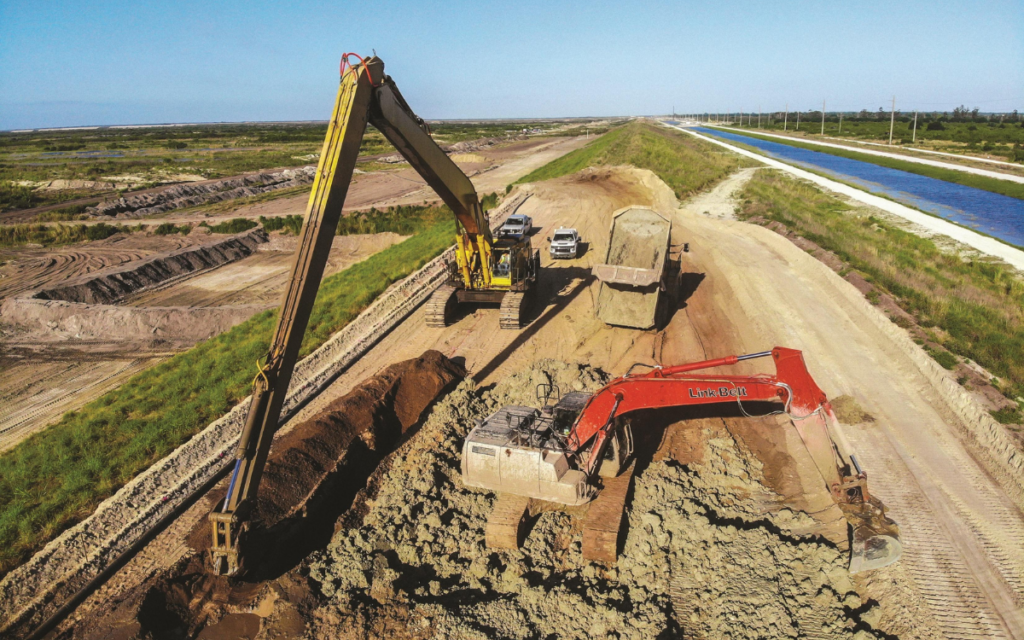
Slurry Trenching (Walls)
Slurry trenching refers to a method of installing deep, narrow structures in the subsurface without the need for conventional excavation support or dewatering. The technique relies on a slurry, an engineered fluid that is often bentonite clay mixed with water, to balance the lateral earth pressure of the soils.
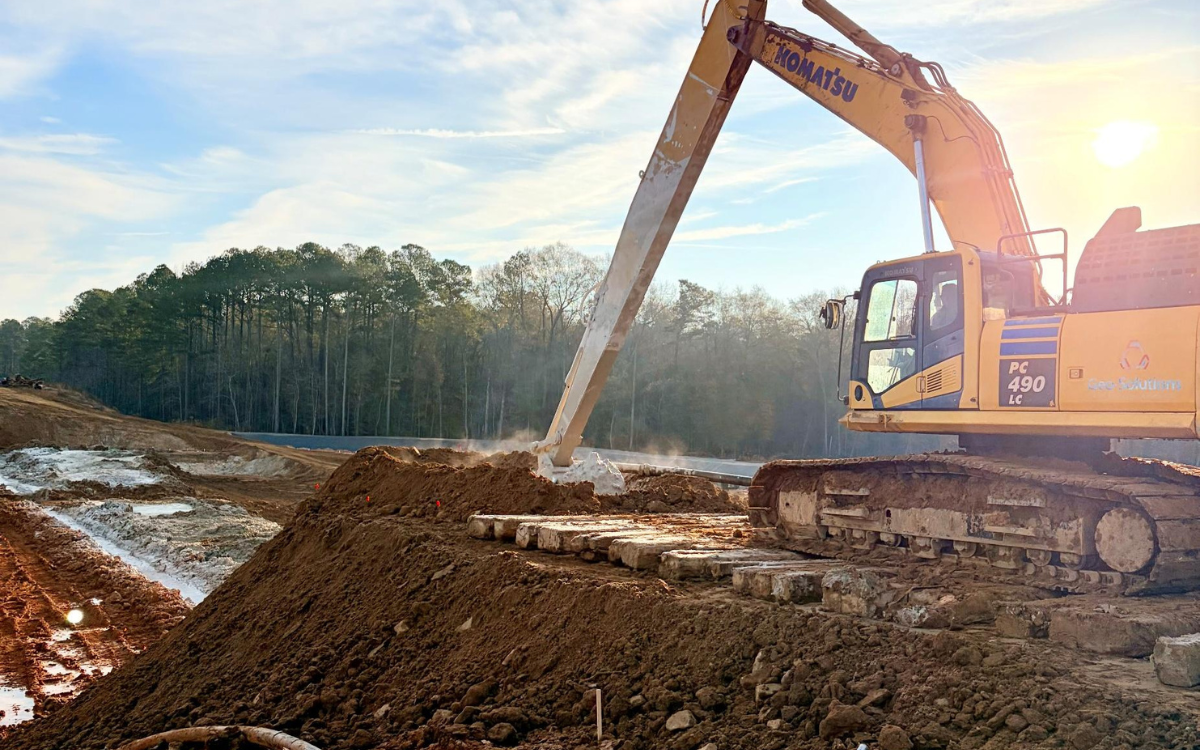
Deep Drains
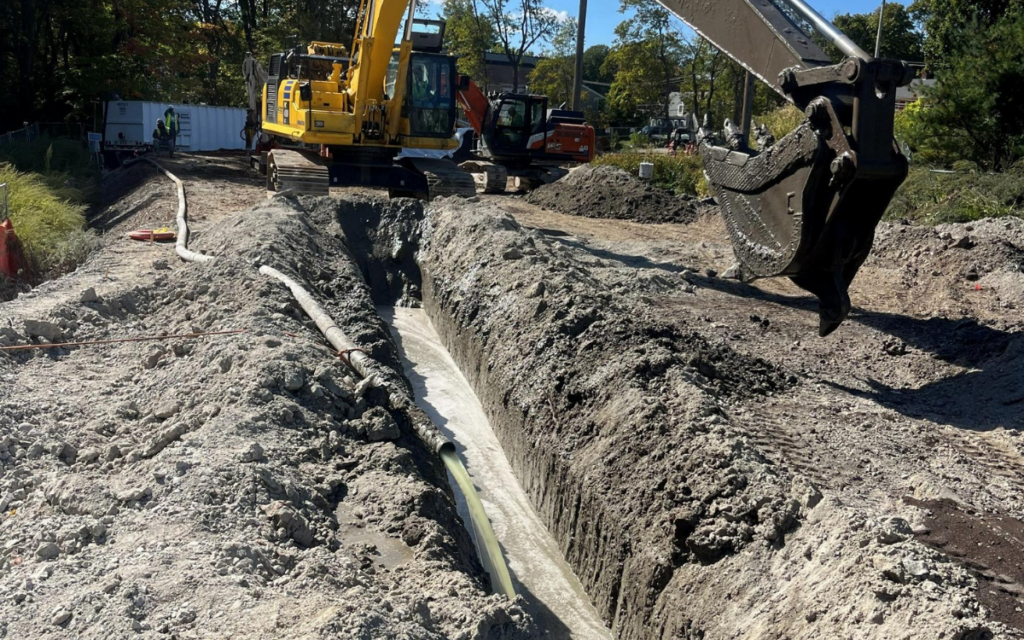
Deep drains refer to high‑permeability subsurface systems used to control lateral groundwater flow. Polymer slurry trenching is a common method of installing deep drains that can include horizontal piping systems or just be trenches filled with permeable media.
Permeable Reactive Barriers (PRB)
Permeable reactive barriers are high permeability passive groundwater treatment systems that allow groundwater flow through the barrier where the groundwater interacts with reactive media in the barrier. Permeable reactive barriers can be installed via polymer slurry trenching or with a chain trencher.
Cutoff Walls
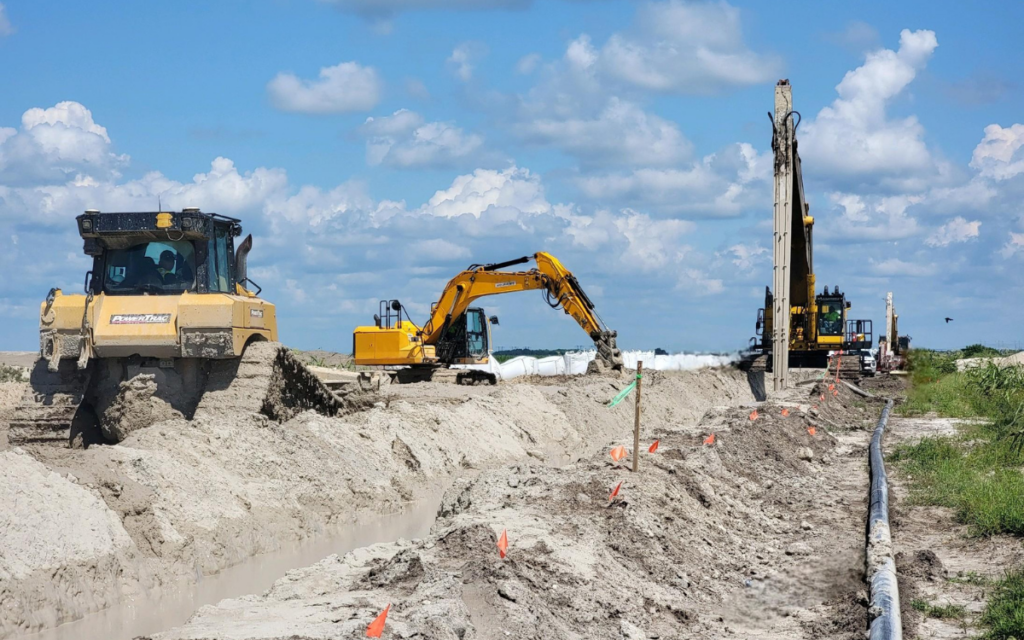
Cutoff walls are low permeability vertical elements installed in the subsurface to control horizontal groundwater flow and limit contaminant migration. Common technologies for installing cutoff walls include slurry trenching and soil mixing.