
Demolition
Demolition services executed with engineering expertise and strict safety standards.
Overview of Demolition
Demolition services provide for the safe and controlled removal of existing structures to prepare sites for remediation for closure or for future redevelopment. Methods of demolition are planned in detail and are completed according to strict safety practices ensuring demolition activities are executed with minimal risk and surrounding infrastructure protected. These solutions support efficient project transitions while meeting regulatory and environmental requirements.
Key Benefits
- Enhanced Safety - Engineered demolition methods reduce risk to workers, the public, and adjacent structures.
- Controlled Execution - Precise sequencing minimizes vibration, dust, and impact on surrounding facilities.
- Site Readiness - Efficient removal of existing structures accelerates project schedules and enables faster redevelopment.
- Environmental Compliance - Proper handling of waste, hazardous materials, and recycling meets regulatory requirements.
- Cost Efficiency - Planned demolition reduces rework, delays, and unexpected site conditions.
- Urban & Complex Site Capability - Specialized techniques allow demolition in confined or sensitive environments.
Applications
- Pre-Construction / Site Preparation - Clearing existing structures before new construction and Removal of foundations, pavements, utilities, or obsolete assets.
- Renovation / Retrofit Projects - Partial or selective demolition to modify existing structures.
- Infrastructure Replacement - Removal of old bridges, culverts, retaining walls, tanks, or industrial units and required before rebuilding or capacity expansion.
- Environmental / Remediation Projects - Demolition of contaminated structures and Controlled removal to support soil remediation or environmental cleanup
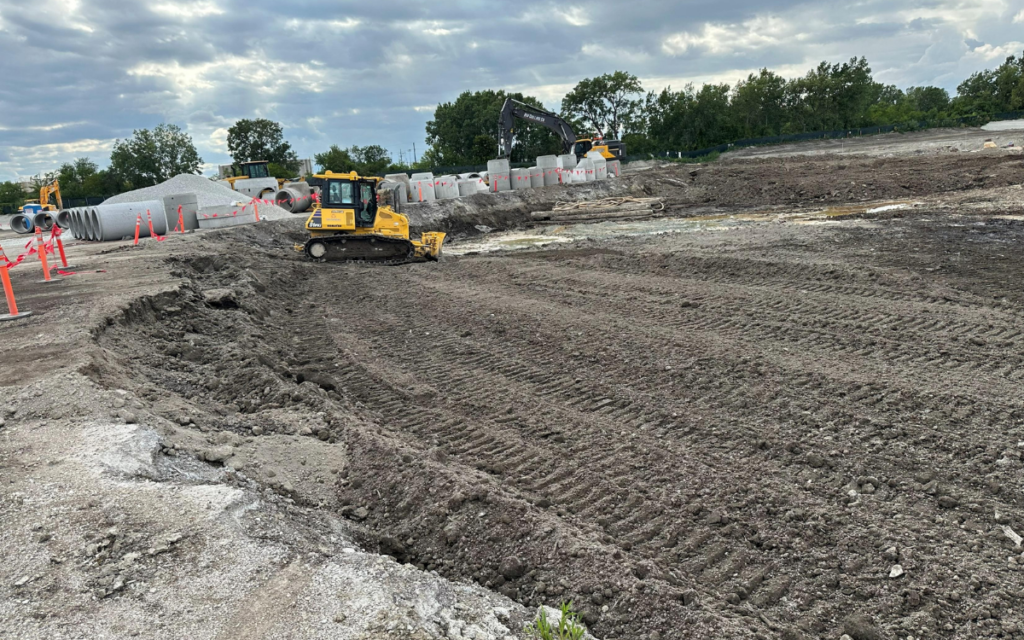
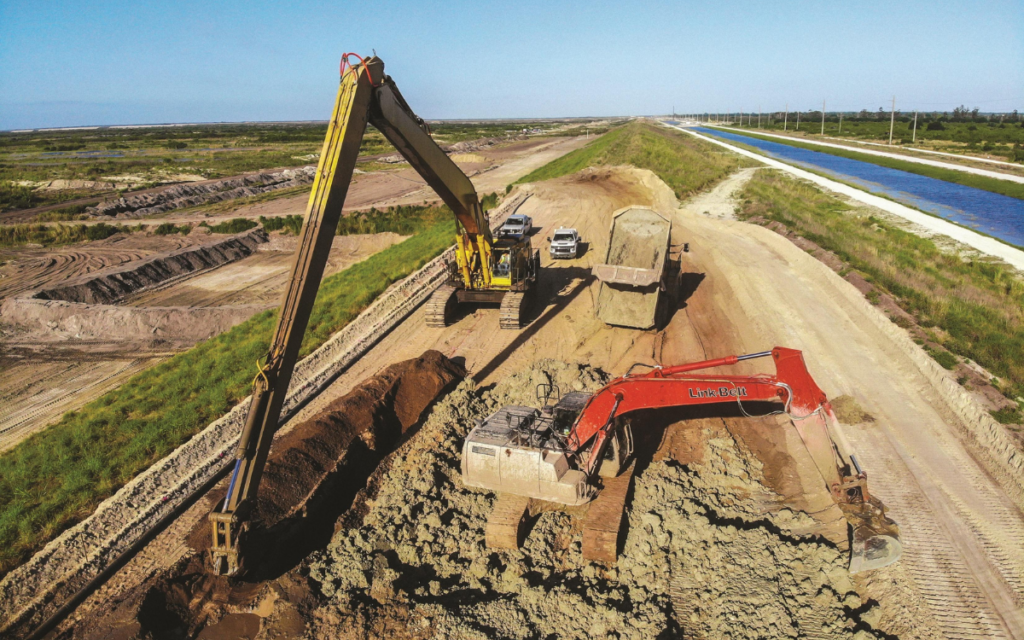
traditional earthwork
Traditional earthwork refers to excavation, grading, and material handling activities that support construction and remediation. Excavators, dozers, and haul equipment are commonly used in earthwork operations.
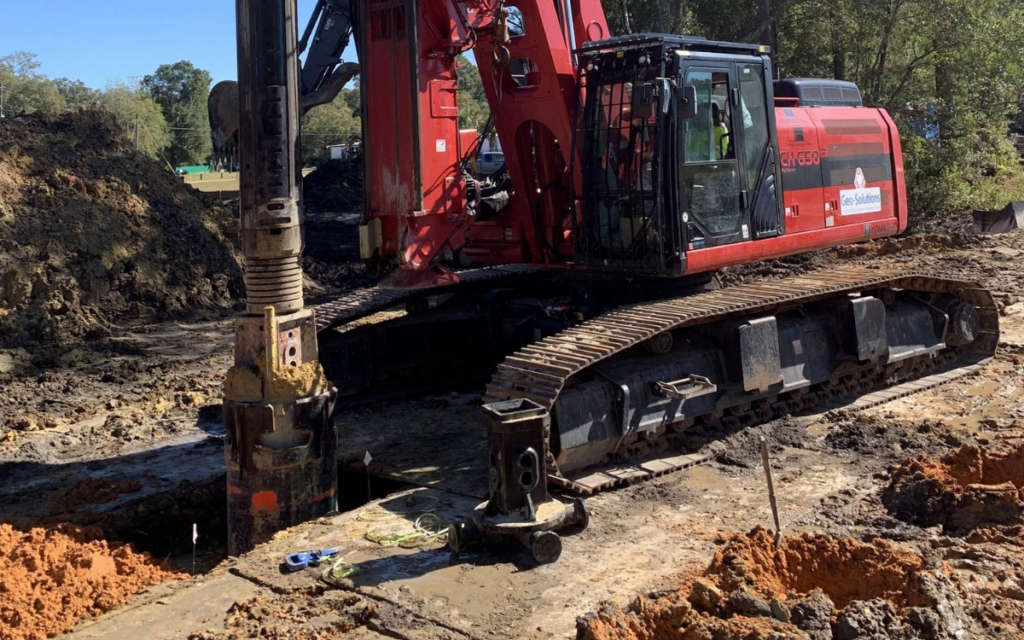
auger excavation (LDA)
Large‑diameter auger excavation refers to a controlled excavation method using oversized augers. LDA systems are commonly used where access is limited preventing the use of a more conventional excavation approach.
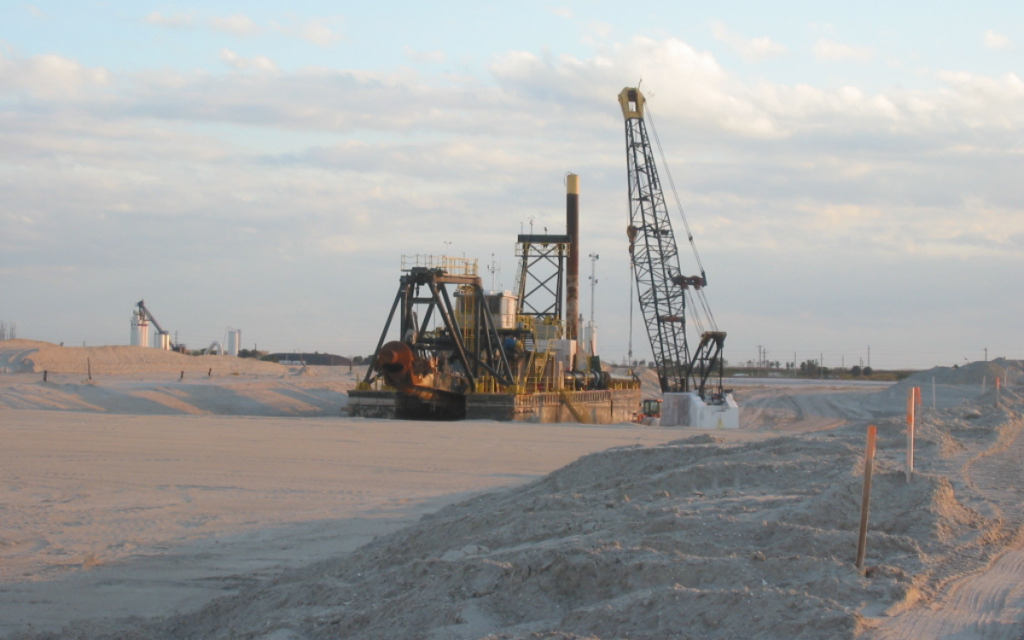
Dredging
Dredging refers to the removal of sediments from waterways to support remediation or construction. Dredging can be performed from a barge in the water or from the shoreline.
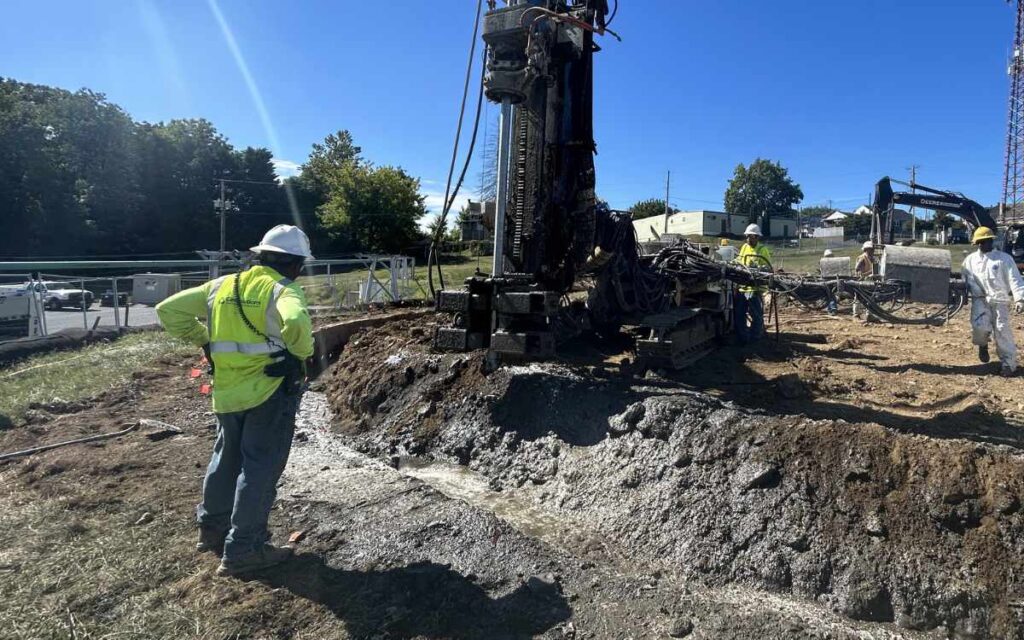
preconstruction services
Preconstruction services refer to early‑stage contractor involvement to address constructability components to inform project planning. Bench scale studies, constructability reviews, and pilot programs are commonly used to support design and solution selection.
environmental remediation
Environmental remediation refers to methods for isolating, stabilizing, and treating contaminated soil, sediment, and groundwater. In situ stabilization and solidification performed using soil mixing is a common environmental remediation approach.
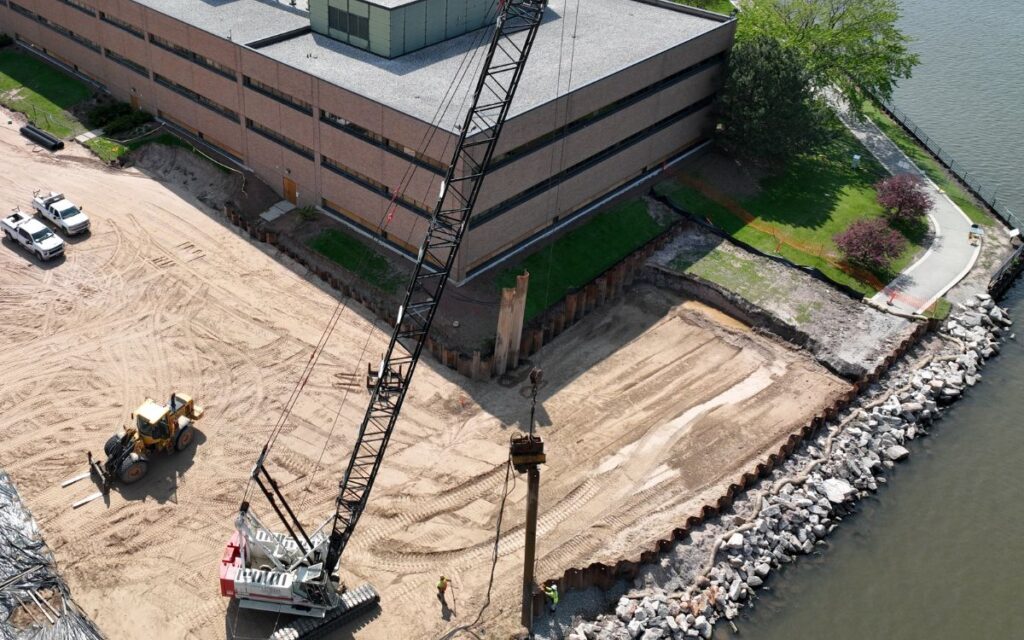
Marine Services
Marine services refer to construction and remediation activities performed in rivers, harbors, and waterfront environments. In-water soil mixing performed from barges, dredging, and in-water capping are common marine construction approaches.