
marine services
Waterfront remediation & geotechnical construction—delivered in tides, rivers, ports, and power-water infrastructure.
Overview of marine services
Geo-Solutions provides marine and waterfront construction services to solve problems involving sediments or soils located in or adjacent to waterways. In one such example, we can use one of our core construction techniques, soil mixing, on barges to treat or solidify soils beneath the water column. In another example, we can temporarily divert a stream or river to install a cutoff wall through the bed or perform ISS on the soils beneath and adjacent to the waterway. We can also perform more common marine services like dredging, either using dredges on barges or using long reach excavators to reach into the waterway.
We have executed cofferdam cutoff walls for new hydroelectric work, stabilized sediments in active waterways, and delivered precision grouting for tunnels and utilities beneath waterways. In all cases, we combine our expertise to ensure constructability with environmental compliance with rigorous QA/QC.
Key Benefits
- Stabilize submerged sediments in-situ to reduce dredging/handling risk and schedule exposure.
- Integrate with temporary works (e.g., cofferdams and tie-ins around structures) to keep waterways and facilities operating.
- Ability to work in and around waterways accounting for all the extra complexity that this type of work brings.
- Proven QA/QC and batching systems for traceable mixes and consistent performance.
Applications
- Cofferdams & temporary works for bridge piers, lock & dam upgrades, and hydro plants.
- Ports, harbors, and river corridors: in-situ sediment treatment (ISS/ISCR), stability improvement, and containment.
- Levees, embankments, and flood protection—cutoff walls and ground improvement along waterways.
- Intake/outfall tunnel closure and pipe abandonment for energy and industrial waterfronts.
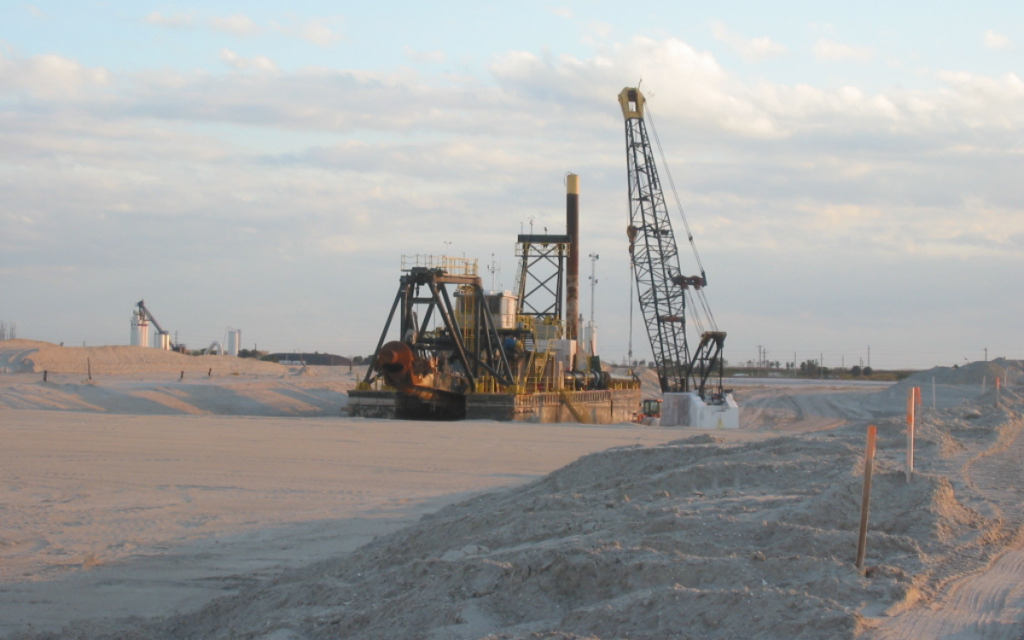
Dredging
Dredging refers to the removal of sediments from waterways to support remediation or construction. Dredging can be performed from a barge in the water or from the shoreline.
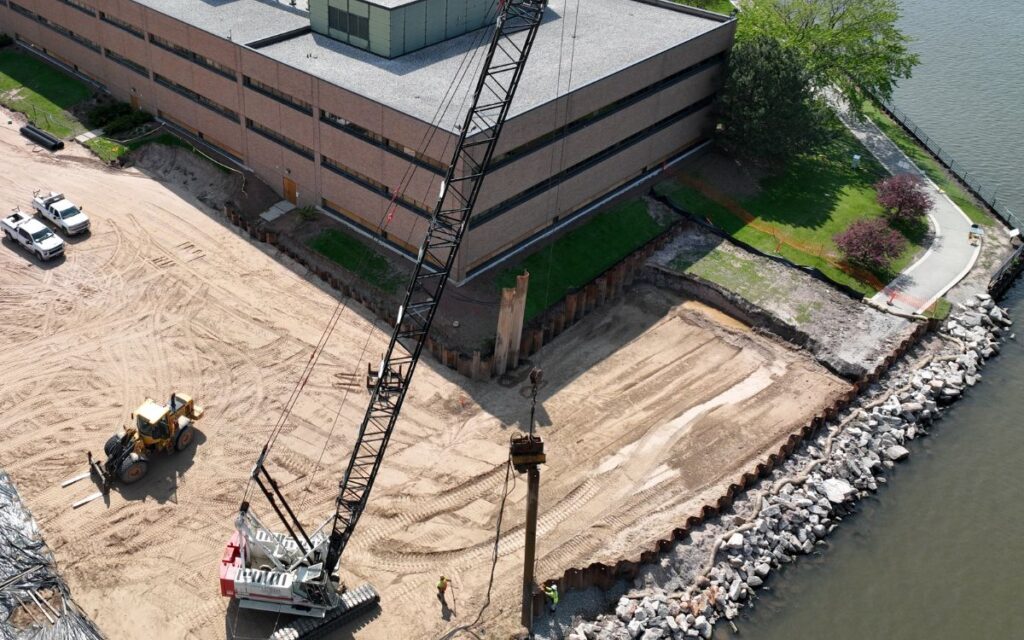
IN-water capping
In‑water capping refers to placement of engineered cover systems over contaminated sediments under a water column. Sand and armored caps are commonly used fpr in‑water capping applications.
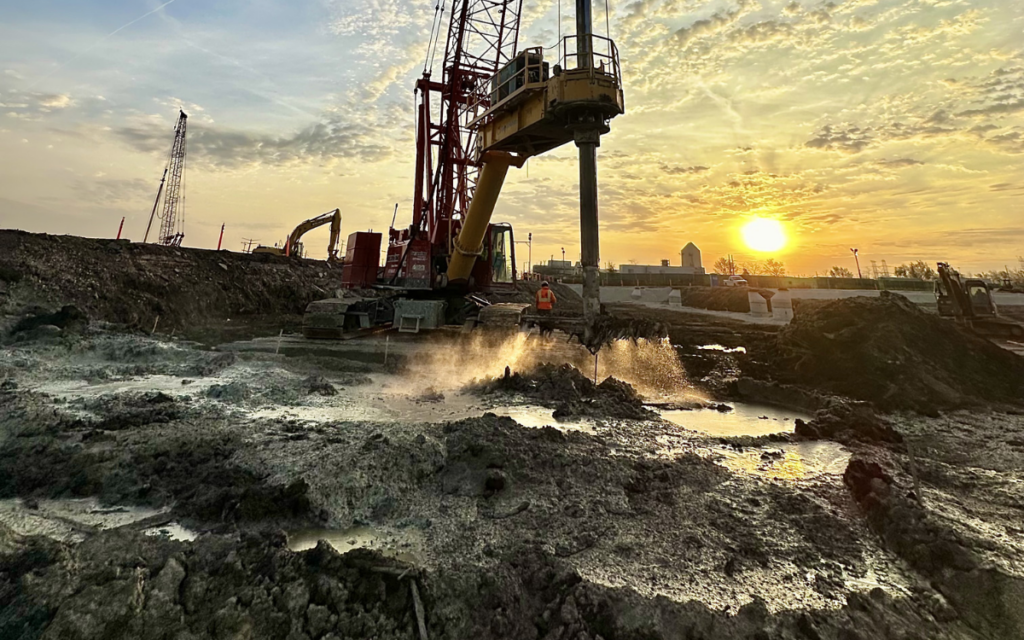
in-water soil mixing
In‑water soil mixing refers to soil mixing performed on soils or sediments in place beneath a water column. Barge‑mounted soil mixing equipment is commonly used for in‑water soil mixing.
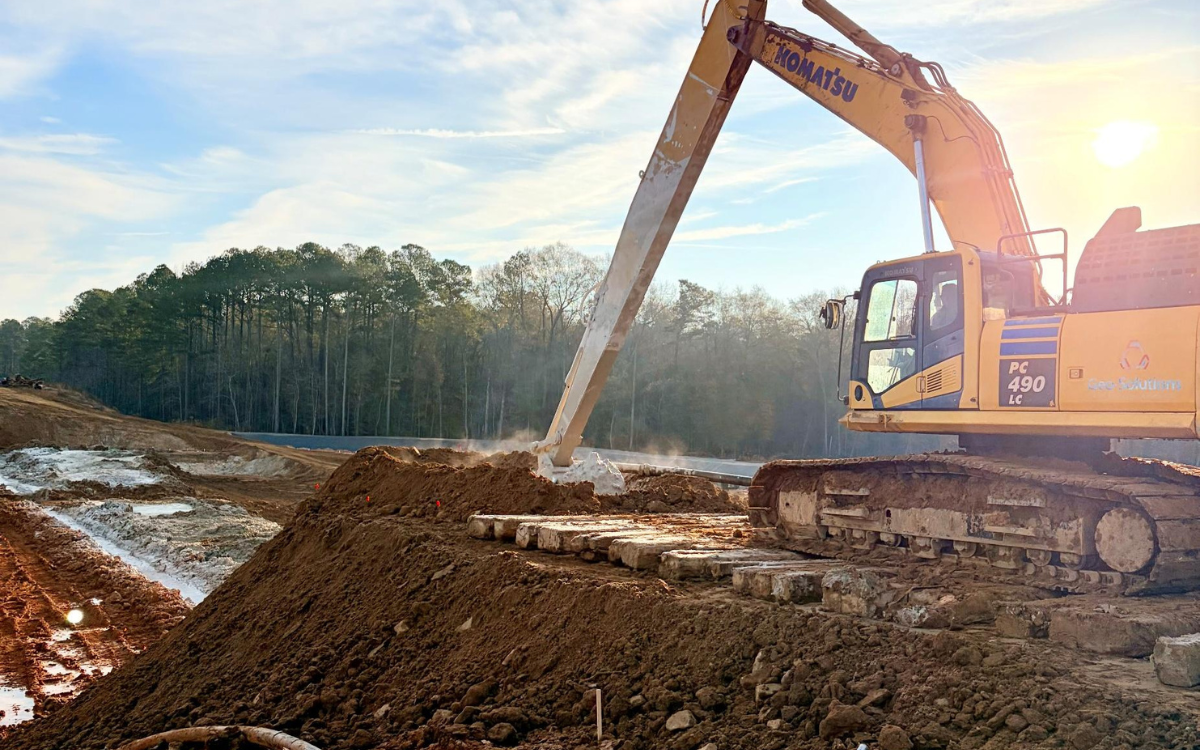
Wetland remediation
Wetland remediation refers to methods used to re-establish the sensitive ecosystems of wetlands. Wetland remediation can refer to establishing new wetlands where old wetlands used to be or rehabilitating wetlands damaged by human interactions.
Habitat restoration
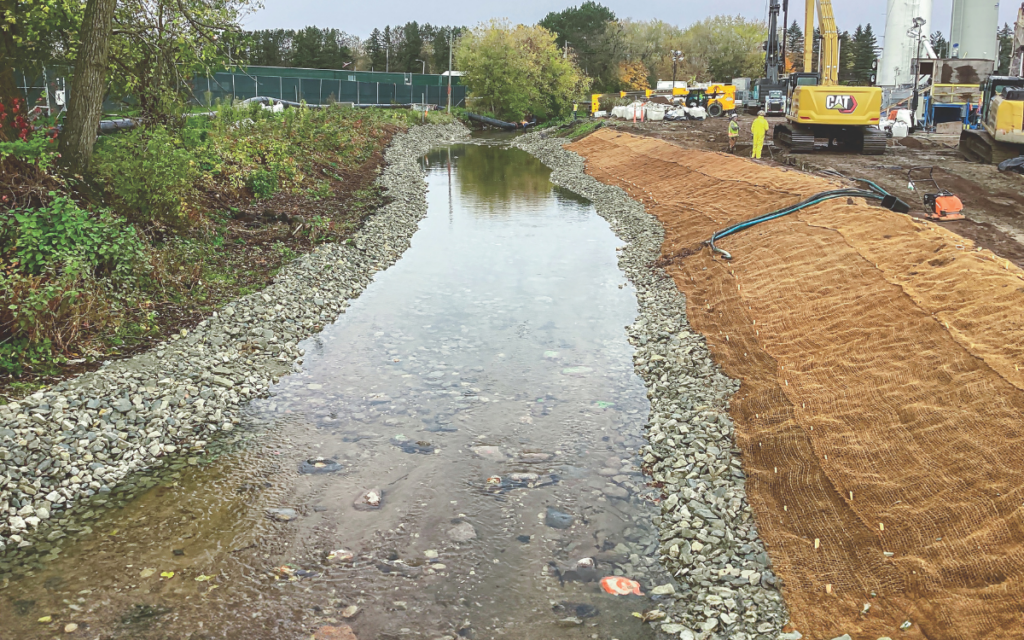
Habitat restoration refers to a variety of method to re-establish habitats damaged by contamination or other human impacts. Targeted dredging can help re-shape marine environments, wetland creation can re-establish natural filters, and in-water capping can protect aquatic environments from continued impacts due to contamination.
excavation & removal
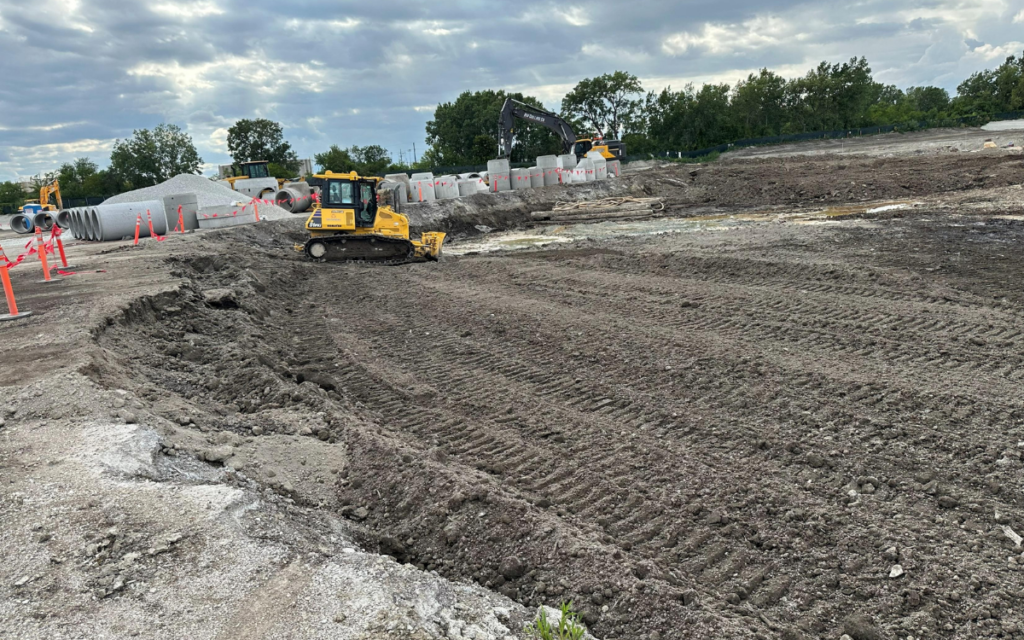
Excavation and removal refer to methods used to physically remove contaminated or unsuitable soil and sediment from a site. Targeted excavation followed by off‑site disposal or treatment is a common excavation and removal approach.