
dredging
Mechanical dredging and material handling services supporting environmental remediation, marine construction, and habitat restoration.
Overview dredging
Dredging involves the removal, relocation, or management of sediments from under a water column. This technique is used in wetlands, shorelines, and marine or near‑shore environments. Dredging is performed for remedial excavation of sediments, improve navigation, restore habitat, and facilitate marine or waterfront construction. These activities may include removal of contaminated sediments, maintenance dredging, or reshaping for aquatic environment purposes.
We perform dredging primarily as part of environmental remediation and restoration projects, using conventional excavation equipment, long‑reach excavators, and specialized material handling methods. Dredging operations are carefully planned to manage turbidity, sediment control, and environmental compliance while maintaining stability of adjacent shorelines and infrastructure.
Dredged materials may be reused beneficially, treated, stabilized, or disposed of depending on project objectives and sediment characteristics. Geo‑Solutions’ dredging capabilities are frequently integrated with earthwork, habitat restoration, and environmental remediation systems to provide complete, site‑specific solutions.
key benefits
- Selective sediment removal to meet remediation or restoration goals
- Integrated environmental controls, including turbidity and erosion management
- Supports marine construction and shoreline stability
- Flexible equipment selection for shallow and near shore environments
- Coordination with disposal, reuse, or treatment strategies
- Experienced execution in environmentally sensitive areas
applications
- Environmental Remediation: Removal of contaminated sediments
- Waterfront & Marine Projects: Navigation, access, and shoreline improvements
- Wetlands & Habitat Restoration: Re-grading and ecological enhancement
- Industrial & Brownfield Sites: Sediment management adjacent to facilities
- Infrastructure Projects: Bridge, port, and utility interface dredging
- Waterways & Channels: Maintenance and restoration dredging
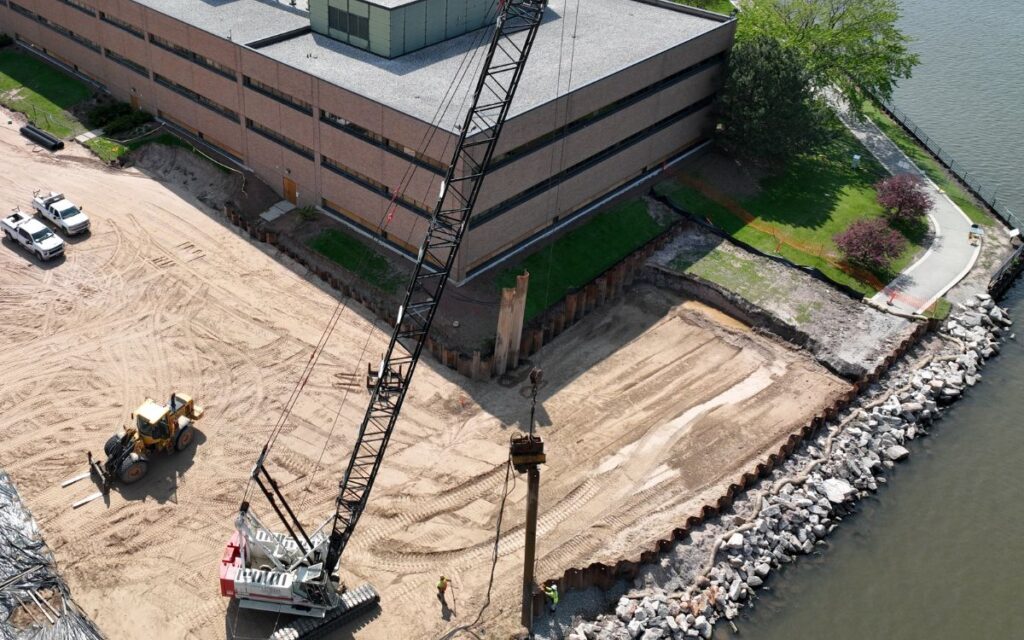
marine services
Marine services refer to construction and remediation activities performed in rivers, harbors, and waterfront environments. In-water soil mixing performed from barges, dredging, and in-water capping are common marine construction approaches.
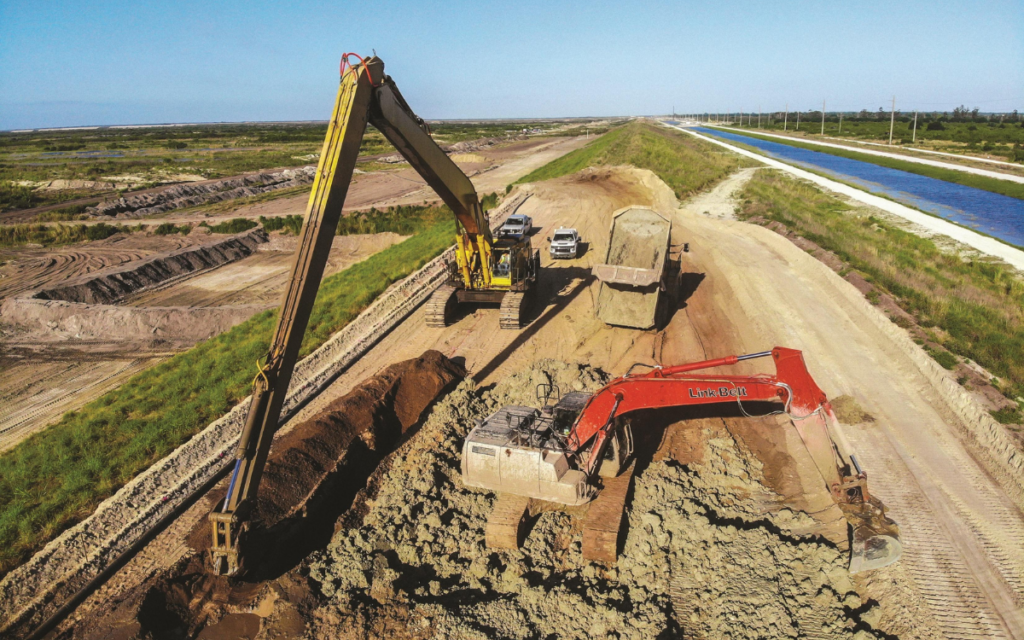
environmental remediation
Environmental remediation refers to methods for isolating, stabilizing, and treating contaminated soil, sediment, and groundwater. In situ stabilization and solidification performed using soil mixing is a common environmental remediation approach.
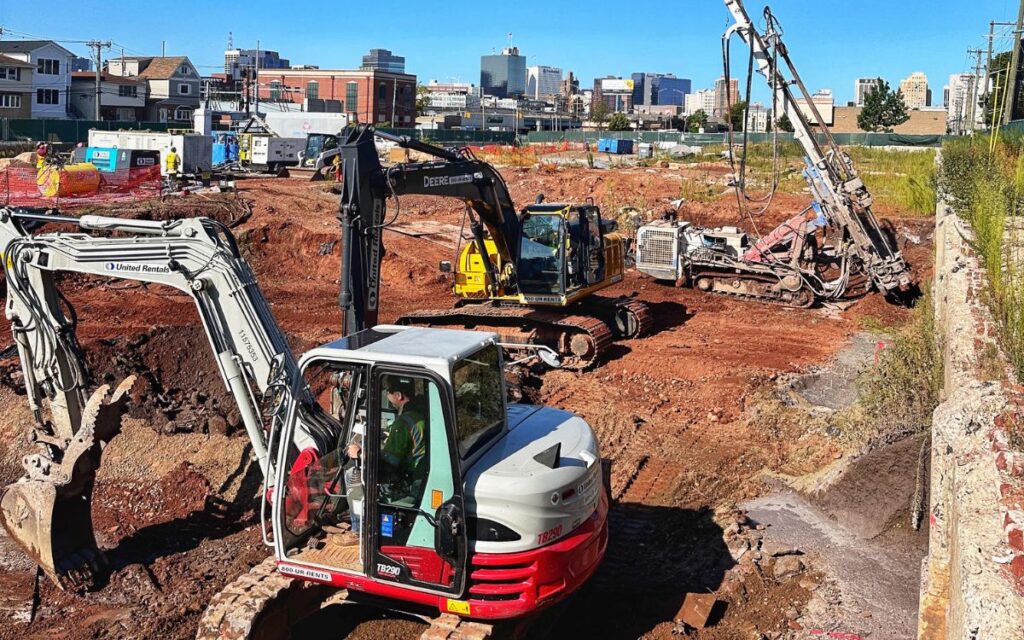
preconstruction services
Preconstruction services refer to early‑stage contractor involvement to address constructability components to inform project planning. Bench scale studies, constructability reviews, and pilot programs are commonly used to support design and solution selection.
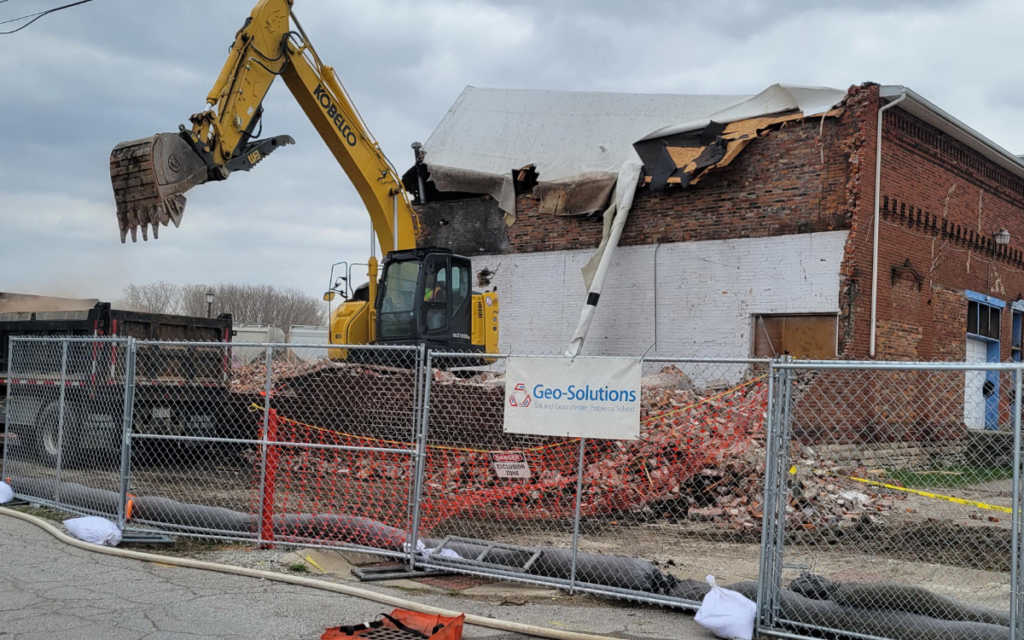
demolition
Demolition refers to the controlled removal of structures to support remediation or redevelopment. Mechanical demolition and selective dismantling are commonly used demolition methods.
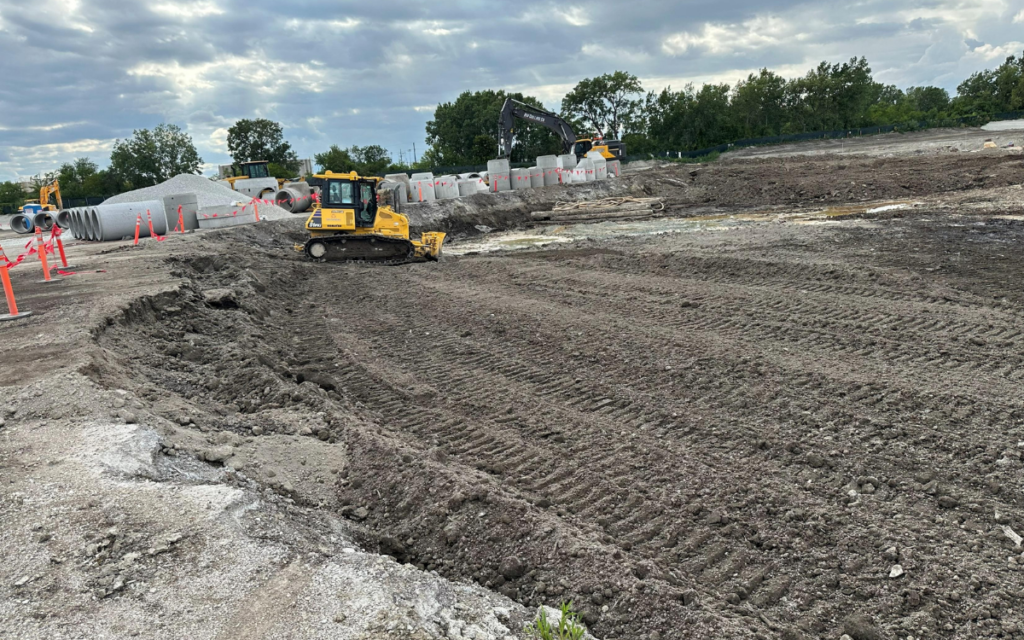
Excavation & Removal
Excavation and removal refer to methods used to physically remove contaminated or unsuitable soil and sediment from a site. Targeted excavation followed by off‑site disposal or treatment is a common excavation and removal approach.
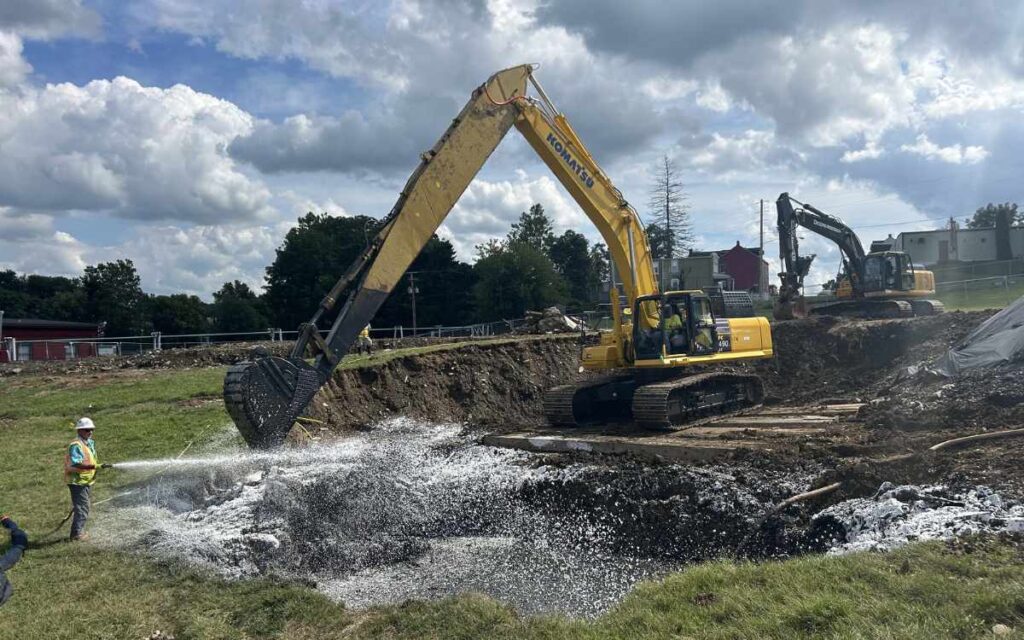
habitat restoration
Habitat restoration refers to a variety of method to re-establish habitats damaged by contamination or other human impacts. Targeted dredging can help re-shape marine environments, wetland creation can re-establish natural filters, and in-water capping can protect aquatic environments from continued impacts due to contamination.