
Auger Cast Piles
Low-vibration, cast-in-place deep foundation solution for mid-range loads
Overview Auger Cast Piles
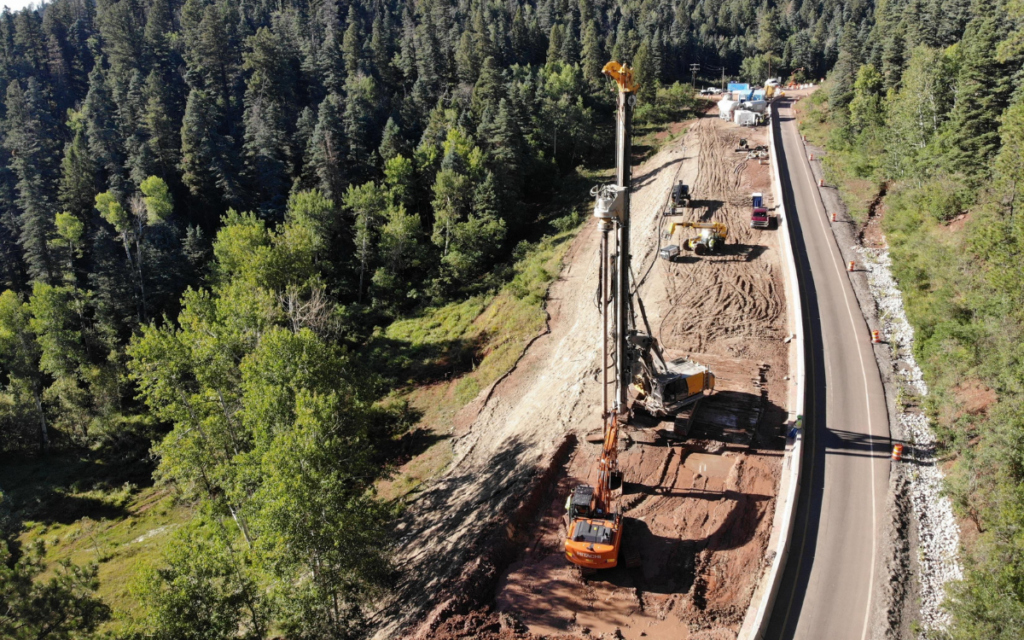
Auger Cast Piles, also known as Augered Cast-In-Place (ACIP) or Continuous Flight Auger (CFA) piles, are a type of deep foundation system. They are constructed by drilling into the ground with a continuous flight auger and then pumping grout or concrete through the hollow stem as the auger is withdrawn. Reinforcing steel is inserted into the fresh grout or concrete column immediately after placement.
This method creates a cast-in-place pile without the need for casing or slurry, making it efficient and adaptable to a range of soil conditions. Auger Cast Piles are commonly used for mid-range load applications where driven piles or drilled shafts may not be practical. They are particularly well suited for sites with limited access or where vibration and noise must be minimized.
key benefits
- Minimal Vibration and Noise: Ideal for urban or sensitive environments.
- Fast and Economical: Efficient installation for mid-range load requirements.
- Versatile: Can be installed in a variety of soil conditions without casing or slurry.
- Reduced Spoils: Compared to some alternative methods, less soil removal is required.
Applications
- Transportation Infrastructure: Bridge abutments, overpasses, and retaining walls where vibration control is critical.
- Commercial & Industrial Facilities: Foundations for warehouses, manufacturing plants, and multi-story buildings.
- Energy & Utilities: Substations, wind turbine foundations, and transmission structures.
- Urban Development: Projects in noise-sensitive or restricted-access areas.
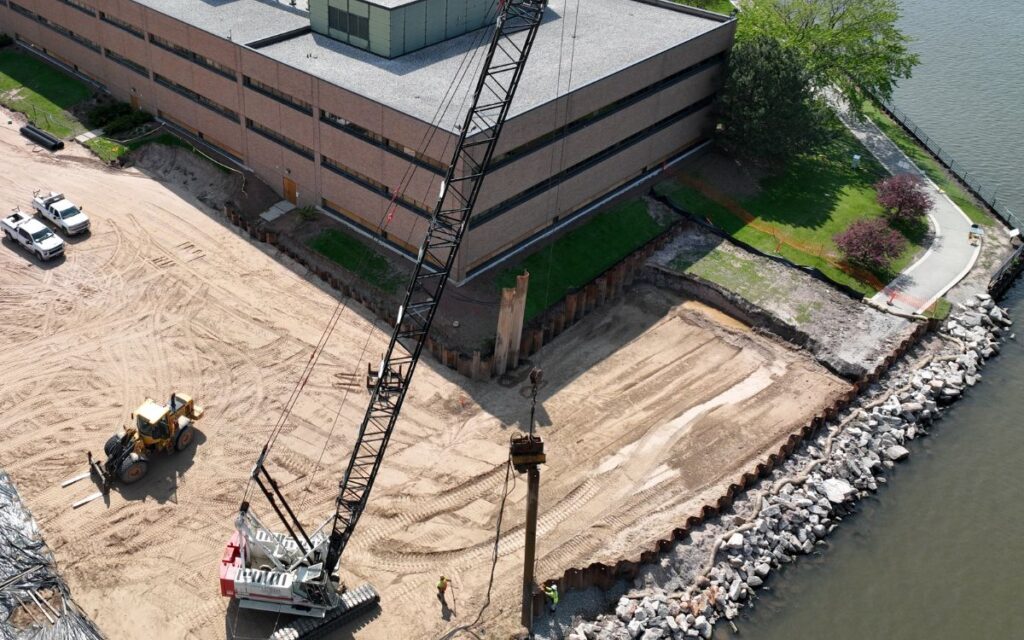
Foundations & Shoring
Foundations and shoring refer to systems used to support excavations and structures in difficult ground or groundwater conditions with elements that do not rely heavily on the soil. Auger cast piles are a common deep foundation technology and secant pile walls are a common earth retention technology.
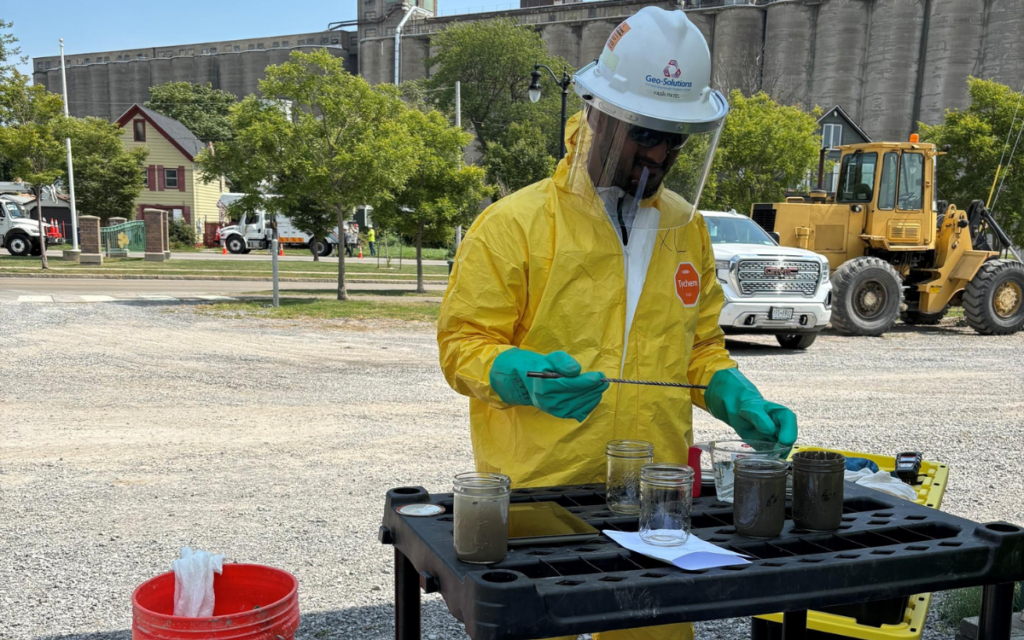
Preconstruction Services
Preconstruction services refer to early‑stage contractor involvement to address constructability components to inform project planning. Bench scale studies, constructability reviews, and pilot programs are commonly used to support design and solution selection.
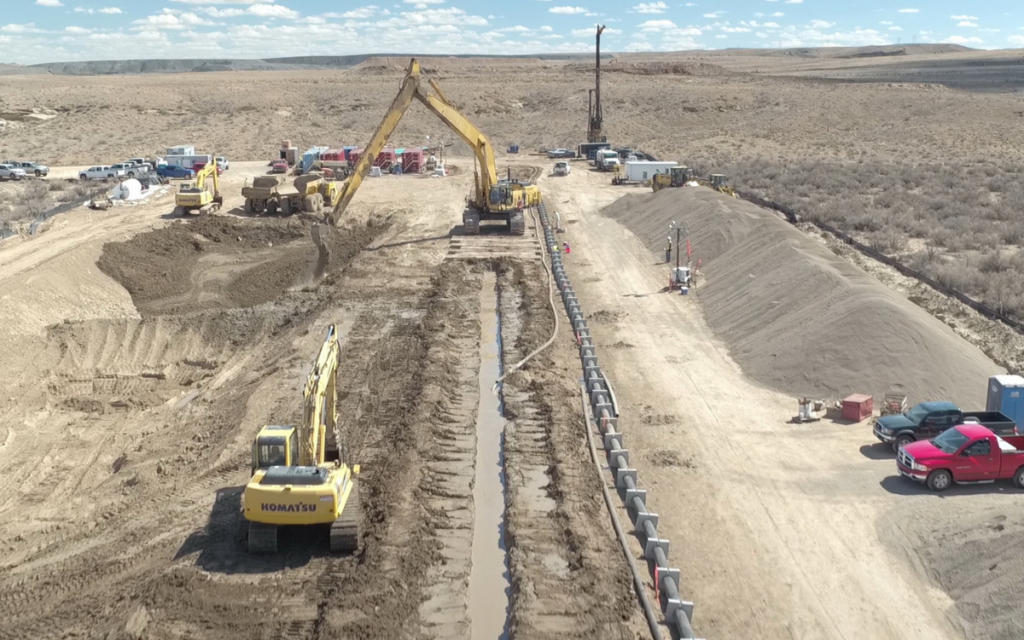
Ground Improvement
Ground improvement refers to methods used to improve (often strengthen) weak, compressible, variable, or undesirable soils for specific performance enhancement. Soil mixing and rigid inclusions are common ground improvement solutions used to control settlement and improve subsurface behavior.
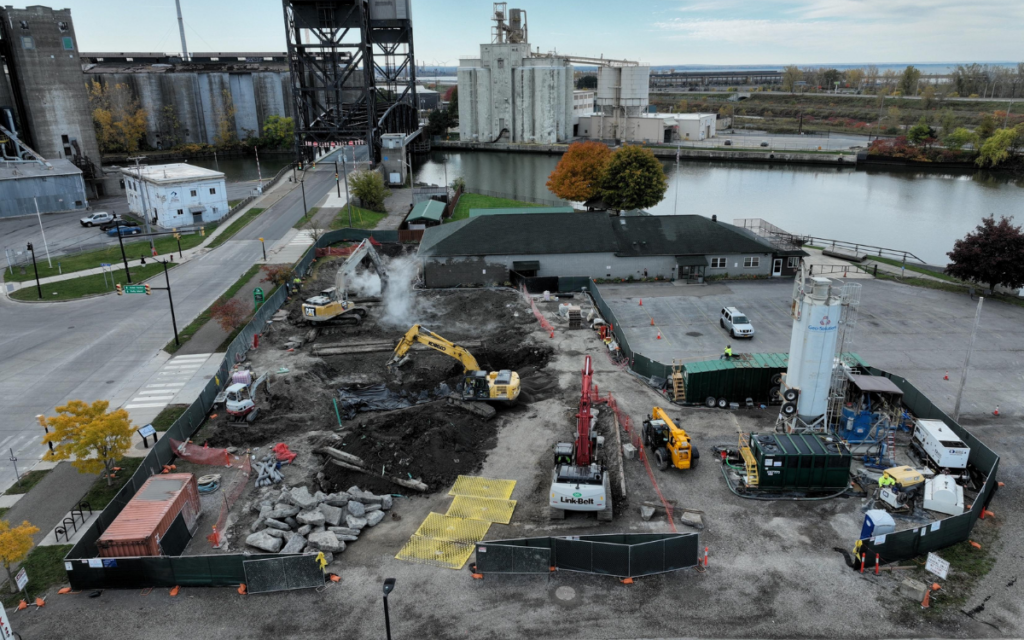
Bearing Capacity Improvement
Bearing capacity improvement refers to methods used to increase the load‑carrying capacity of weak soils. Soil mixing and rigid inclusions are commonly used to improve bearing performance and reduce settlement.
Earth Retention
Earth retention refers to systems used to support soil and groundwater during excavations or grade changes. Sheet piling and soldier pile walls are common earth retention solutions.