
Sheet piling
Steel sheet pile walls for excavation support, groundwater control, and waterfront structures—integrated with Geo Solutions’ barrier and remediation systems.
Overview Sheet piling
Sheet piling uses interlocking steel sheets driven into the ground to create a continuous wall that provides lateral earth support and can reduce groundwater inflow for excavations, cofferdams, bulkheads, and shoreline protection. Sheetpiles can serve as either a temporary support of excavation system or a permanent retaining and cutoff solution. As a vertical barrier type, sheetpiles sit alongside slurry walls and soil mixing walls in the toolbox used to control groundwater and contaminant migration.
Installation is typically accomplished with vibratory hammers (and, where necessary, impact hammers or hydraulic press in methods) to advance sheets to design depth along the perimeter of the excavation or waterfront alignment. The interlocked sheets form a wall that can be cantilevered or supported by internal bracing or tiebacks. When used near waterways, systems are commonly installed from barges, and they can be tied into existing structures or combined with other low permeability barriers for hydraulic control.
Geo Solutions’ portfolio shows sheet piles within broader barrier and excavation support programs—e.g., tying HDPE curtain walls into existing sheet pile bulkheads or using sheet piles as part of containment strategies. The choice between sheet piles, slurry walls, and soil mixing walls depends on geology, performance needs, schedule, and sustainability considerations.
key benefits
- Rapid installation with minimal excavation footprint
- Immediate earth retention and excavation safety
- Water management: reduced inflow for cofferdams and deep cuts
- Flexible design: cantilevered, braced, or tied back systems
- Marine ready: installable from barges for bulkheads and seawalls
- Reusable steel options and long service life for permanent works
applications
- Support of excavation for basements, pump stations, shafts, and utilities
- Cofferdams and work islands for bridge, dam, and hydro projects
- Seawalls, bulkheads, and quay walls for harbors, canals, and
- Groundwater control / cutoff or tie in to other vertical barriers
- Temporary works where removal and reuse are advantageous
marine services
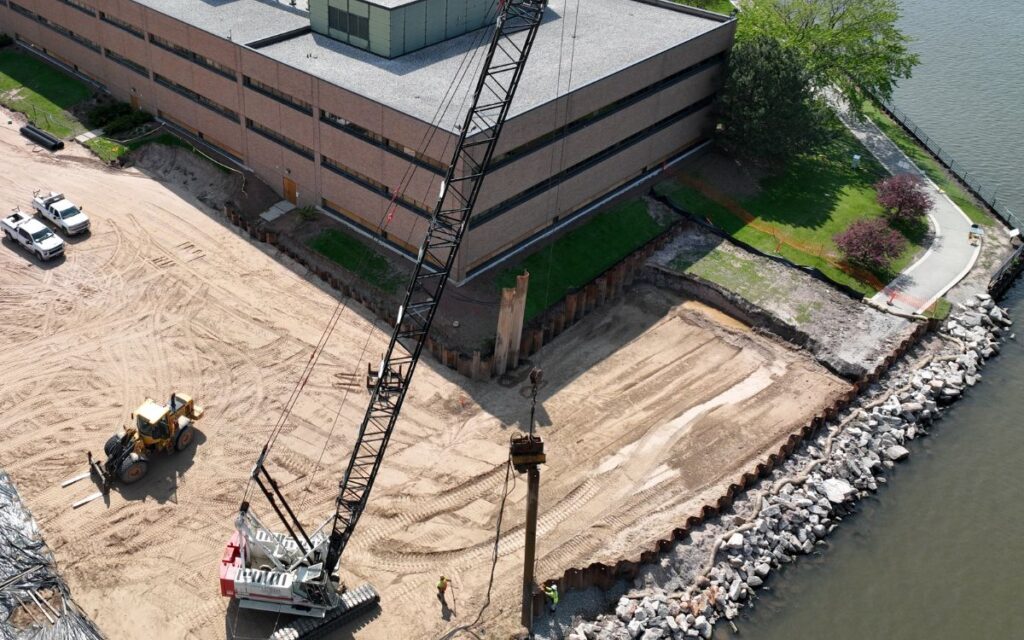
Marine services refer to construction and remediation activities performed in rivers, harbors, and waterfront environments. In-water soil mixing performed from barges, dredging, and in-water capping are common marine construction approaches.
environmental remediation
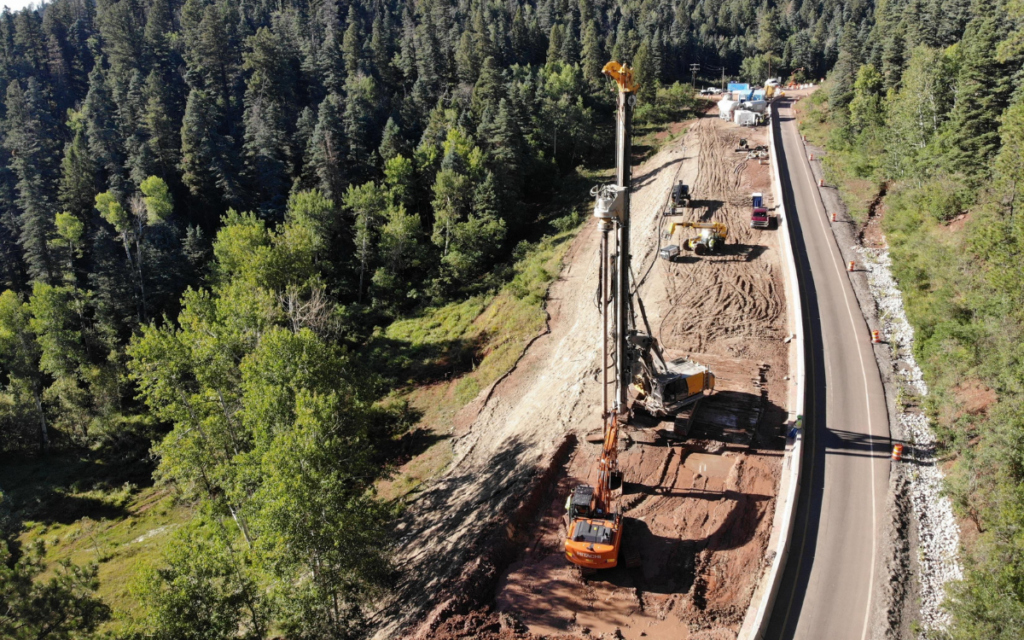
Environmental remediation refers to methods for isolating, stabilizing, and treating contaminated soil, sediment, and groundwater. In situ stabilization and solidification performed using soil mixing is a common environmental remediation approach.
Groundwater Control
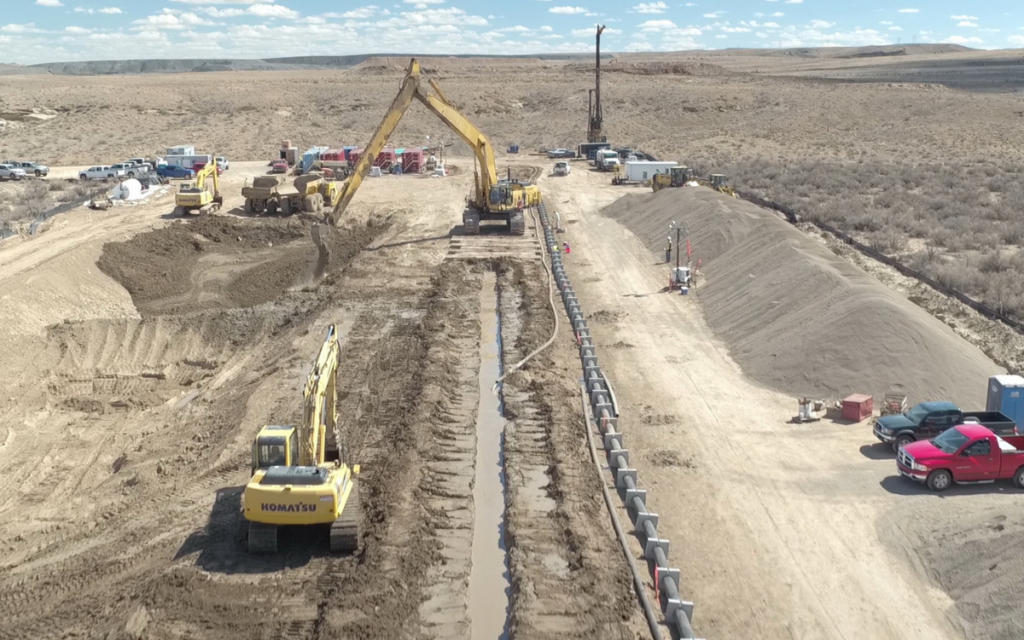
Groundwater control refers to methods that address seepage, hydraulic pressure, and subsurface water movement that affect excavation safety and structural performance. Cutoff walls and deep drains are common solutions used to manage groundwater in complex site conditions.
Earth Retention
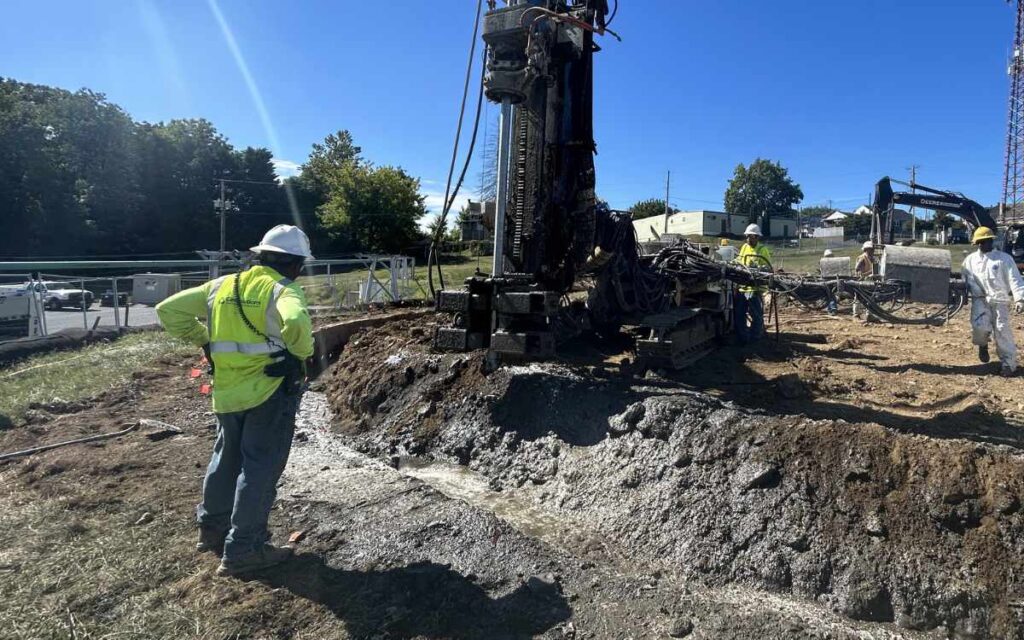
Earth retention refers to systems used to support soil and groundwater during excavations or grade changes. Sheet piling and soldier pile walls are common earth retention solutions.
Cutoff Walls
Cutoff walls are low permeability vertical elements installed in the subsurface to control horizontal groundwater flow and limit contaminant migration. Common technologies for installing cutoff walls include slurry trenching and soil mixing.