
Habitat Restoration
Engineered solutions for wetland and wildlife habitat recovery
Overview of Habitat Restoration
Habitat restoration involves reestablishing natural wetland areas and ecosystems that have been degraded, damaged, or destroyed. Geo-Solutions provides technical solutions for returning ecological function, improving water quality, and stabilizing soil in sensitive environments.
Projects often integrate geotechnical methods such as slurry walls, soil mixing, and erosion control with ecological construction techniques. These services extend to remediation of contaminated sediment zones and conversion of disturbed land into sustainable habitats. Geo-Solutions has executed wetlands enhancements for public agencies, private mitigation banks, wastewater facilities, and wildlife reserves.
Key Benefits
- Mitigates ecological damage from industrial or infrastructure activities
- Stabilizes slopes and controls sedimentation to protect water systems
- Improves flood protection and water management
- Supports compliance with permit-driven environmental restoration requirements
Applications
- Wetland Mitigation Banks – Engineered restoration to offset environmental impacts for regulatory compliance
- Wildlife Habitat Construction – Design/build habitats in marshes, flood plains, and tidal zones
- Wastewater Treatment Cells – Construct wetlands for natural filtration in treatment systems
- Flood Protection Projects – Channel improvements and slope stabilization for water control
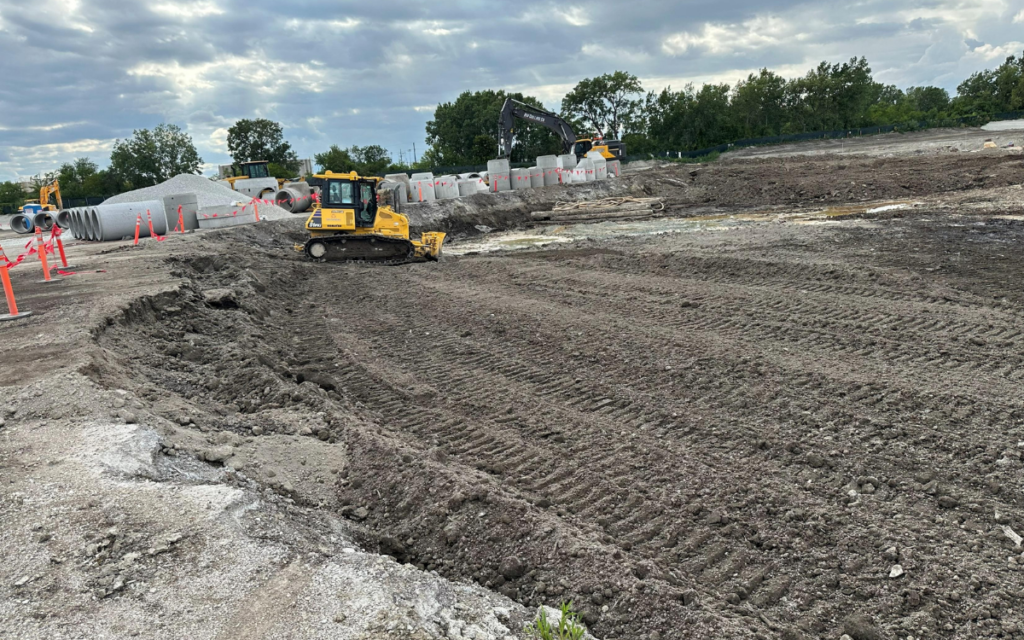
traditional earthwork
Traditional earthwork refers to excavation, grading, and material handling activities that support construction and remediation. Excavators, dozers, and haul equipment are commonly used in earthwork operations.
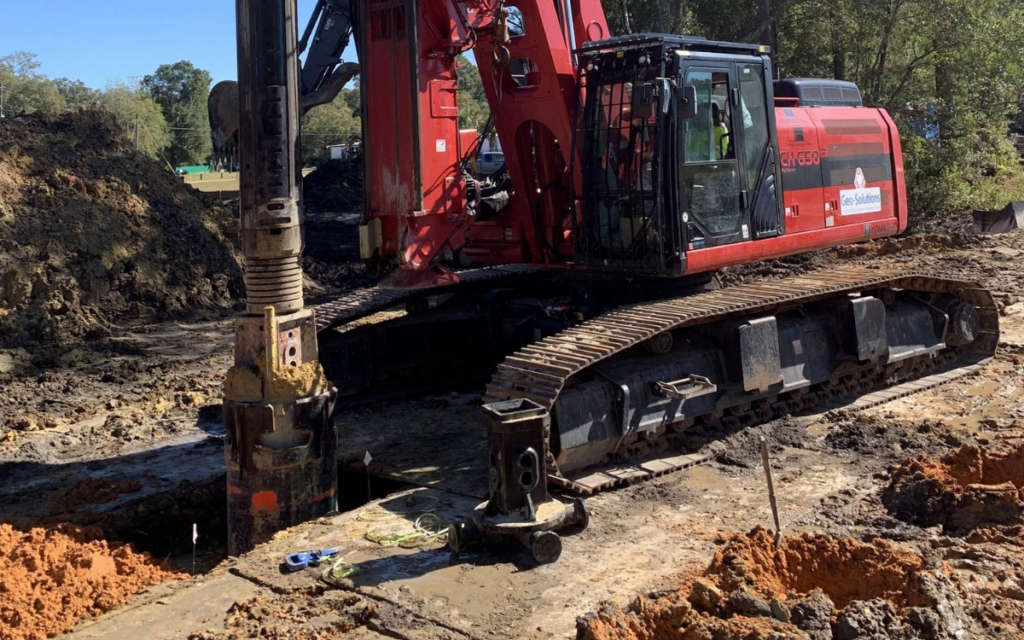
auger excavation (LDA)
Large‑diameter auger excavation refers to a controlled excavation method using oversized augers. LDA systems are commonly used where access is limited preventing the use of a more conventional excavation approach.
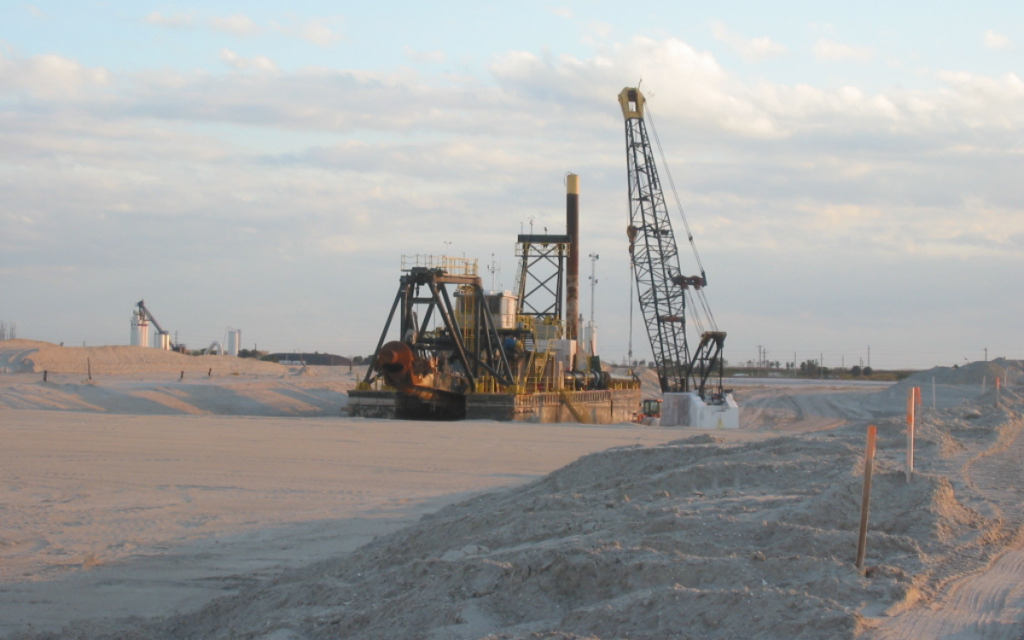
In-Water Capping
In‑water capping refers to placement of engineered cover systems over contaminated sediments under a water column. Sand and armored caps are commonly used fpr in‑water capping applications.
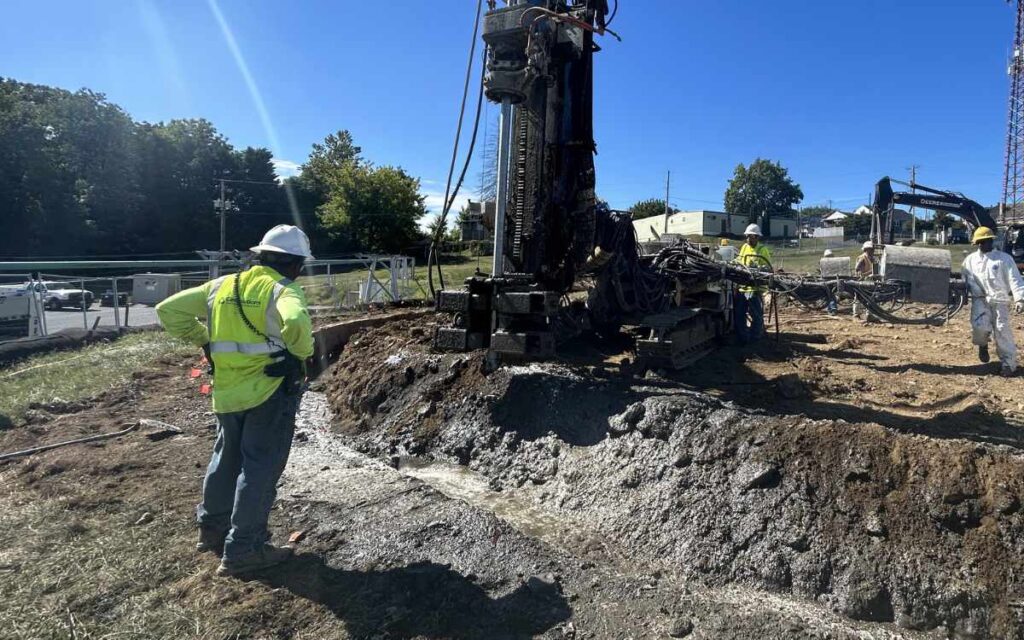
preconstruction services
Preconstruction services refer to early‑stage contractor involvement to address constructability components to inform project planning. Bench scale studies, constructability reviews, and pilot programs are commonly used to support design and solution selection.
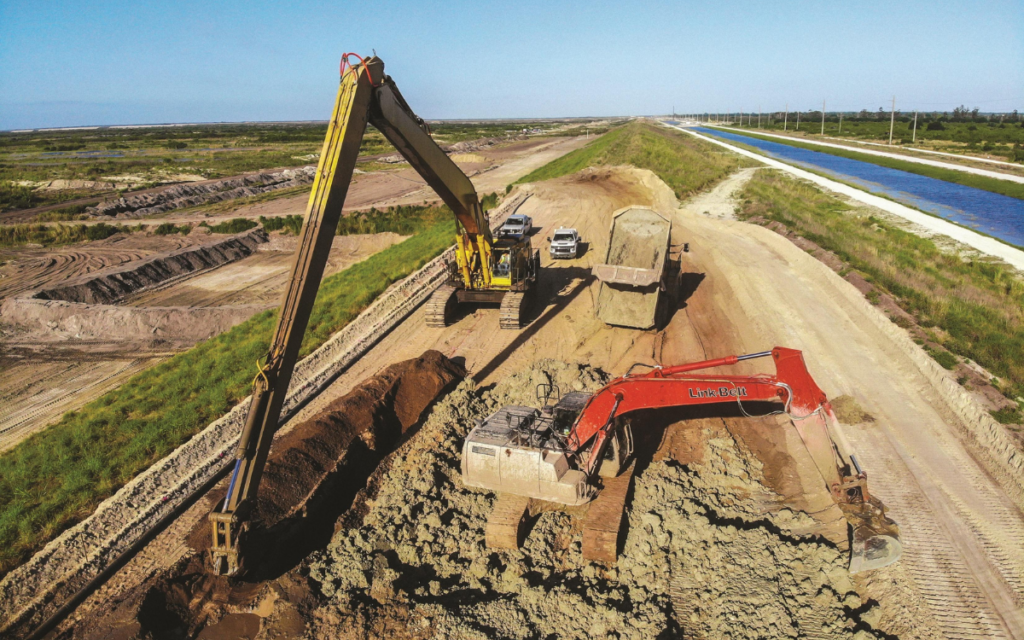
environmental remediation
Environmental remediation refers to methods for isolating, stabilizing, and treating contaminated soil, sediment, and groundwater. In situ stabilization and solidification performed using soil mixing is a common environmental remediation approach.
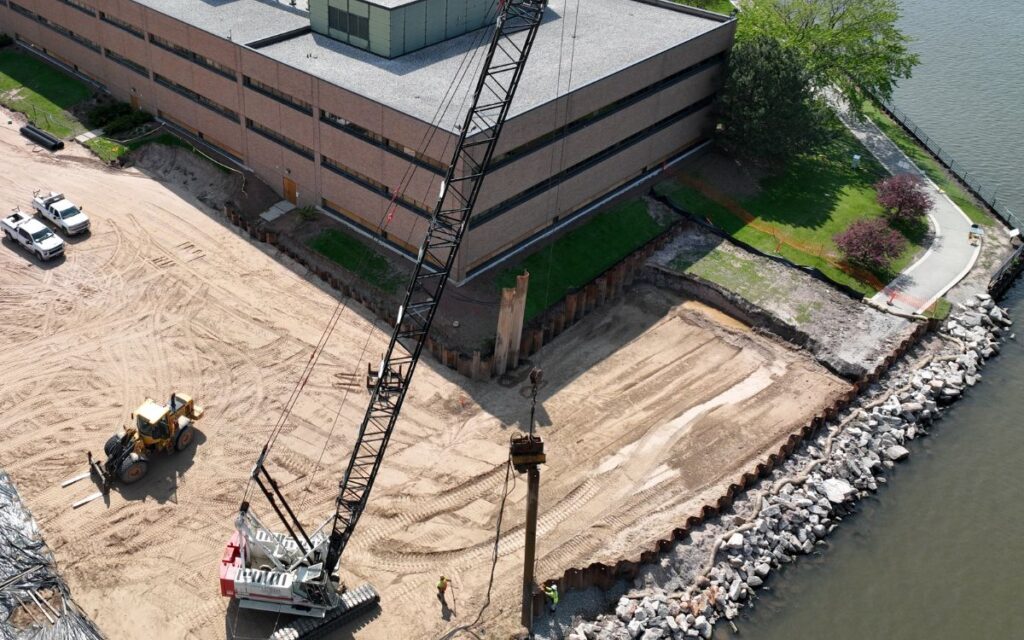
Marine Services
Marine services refer to construction and remediation activities performed in rivers, harbors, and waterfront environments. In-water soil mixing performed from barges, dredging, and in-water capping are common marine construction approaches.
Habitat Restoration
Case Studies
Habitat restoration case studies coming soon!