
Bench Scale Studies
Front-end data collection and mix refinement for fine-tuned, reliable field performance of slurry walls, soil mixing, permeable reactive barriers (PRBs), and jet grouting.
Overview of Bench SCale Studies
Bench scale studies are studies performed in a laboratory for proof of performance and mix refinement for slurry trenching, soil mixing, and jet grouting projects. Soil and water samples are collected from the project site to test its performance with a various mixtures of reagents to identify the types of reagents and the dosages needed to meet the desired properties, namely permeability and strength. Multiple soil samples may be taken to account for differences in profile based on depth, location, and/or contamination type/concentration. Water samples of the intended source to be used for grout batching are also taken to be used in the bench scale mixes. GSI uses a variety of cementitious substances, with and without bentonite clay slurry, in its applications. In some cases, like soil-bentonite cutoff walls, no cement is added to the mix.
In the bench scale testing, one or more rounds are performed based on client needs. If the client has specific mix goals already, GSI can refine the dosage of materials to meet set performance parameters without overdosing with expensive materials. If the client is undecided on mix materials, GSI can perform a broader spectrum of mixes with more materials and dosages in an initial round of bench scale testing and refine dosages in further round(s), after initial material performances with the given site water, soil, and/or contaminants are established.
key benefits
- Data-driven designs: bench testing and field sampling to confirm:
- Compatibility of mix materials with onsite water, soil, and/or contaminants; and
- Performance for permeability and strength targets prior to full production.
- Fewer surprises in the field: proven performance prior to construction, dampening the need for costly changes during work
- Limiting of overdosing of materials, reducing waste and cost
- Potential to identify alternative materials to be used in mix-design that are more cost-effective and/or environmentally sound
Applications
- Levees, dams, and flood protection: identify and provide proof of performance for cutoff walls; primarily testing of performance with the site’s water source for adequate hydration reaction with cementitious materials for cement or cement-bentonite (CB) slurry walls.
- Contaminated Industrial and legacy sites (e.g., Manufactured Gas Plant (MGP), rail, manufacturing): varied soil profiles, groundwater levels, and contaminant type/concentration may affect performance of mix materials and required dosages
- Waterfronts and corridors: Testing of performance with varied soil/contaminant properties across a range of elevation for cutoffs between underground contaminants and natural resources
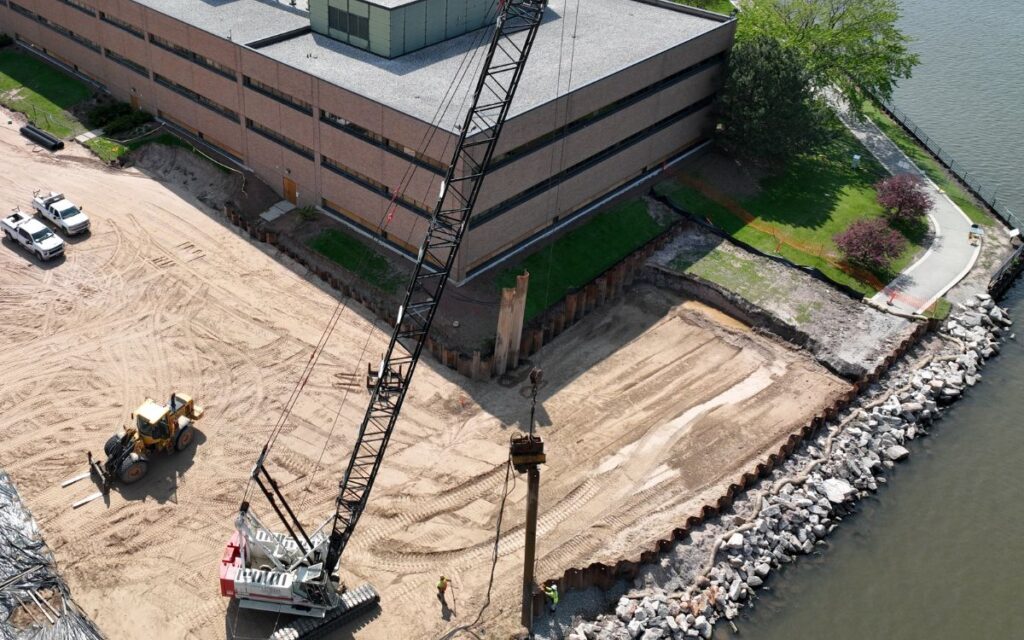
Groundwater control
Groundwater control refers to methods that address seepage, hydraulic pressure, and subsurface water movement that affect excavation safety and structural performance. Cutoff walls and deep drains are common solutions used to manage groundwater in complex site conditions.
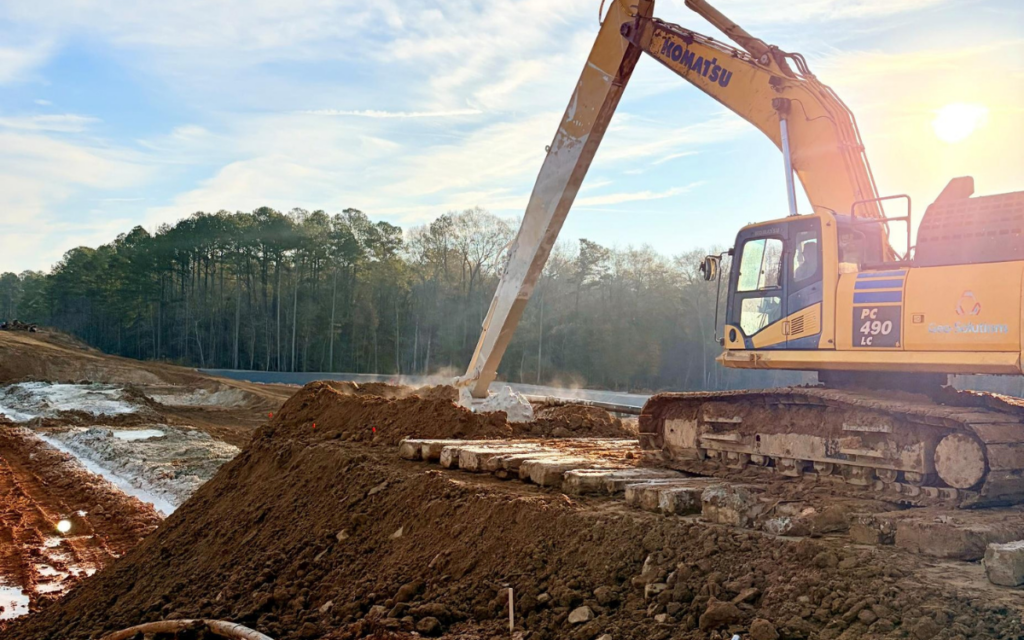
environmental remediation
Environmental remediation refers to methods for isolating, stabilizing, and treating contaminated soil, sediment, and groundwater. In situ stabilization and solidification performed using soil mixing is a common environmental remediation approach.
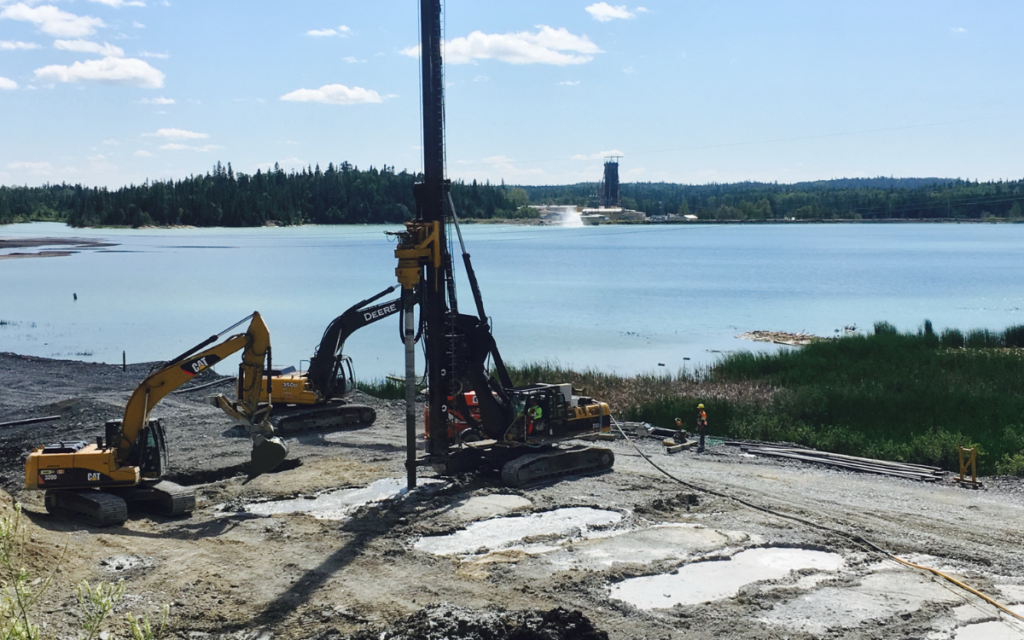
Ground improvement
Ground improvement refers to methods used to improve (often strengthen) weak, compressible, variable, or undesirable soils for specific performance enhancement. Soil mixing and rigid inclusions are common ground improvement solutions used to control settlement and improve subsurface behavior.
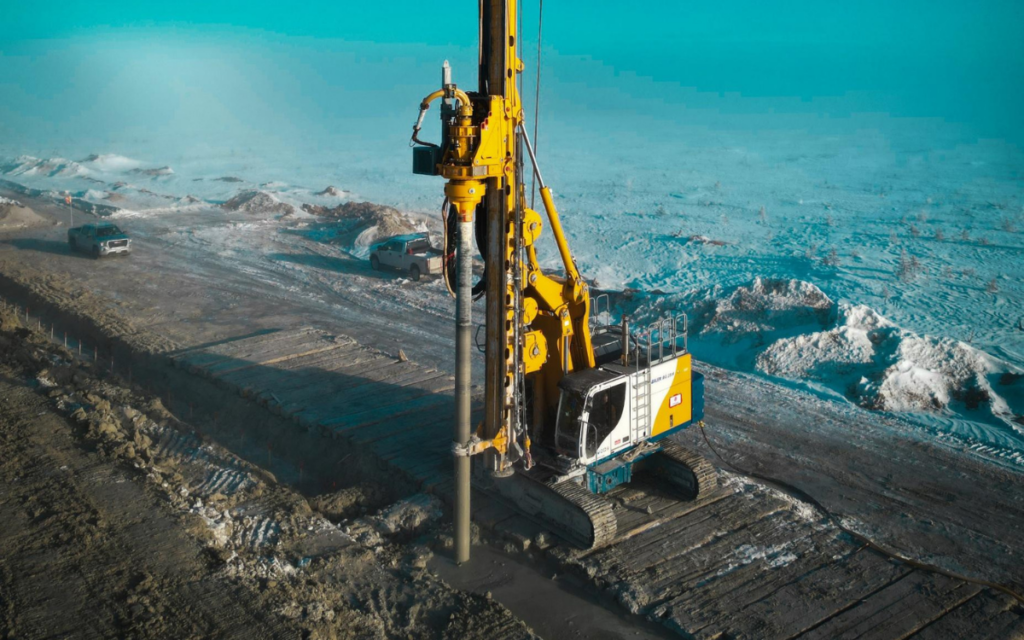
soil mixing
Soil mixing refers to various methods used to blend in situ soils with reagents to improve the soil properties relative to the soils alone. Soil mixing can be used to solve a variety of geotechnical and environmental problems.
jet grouting
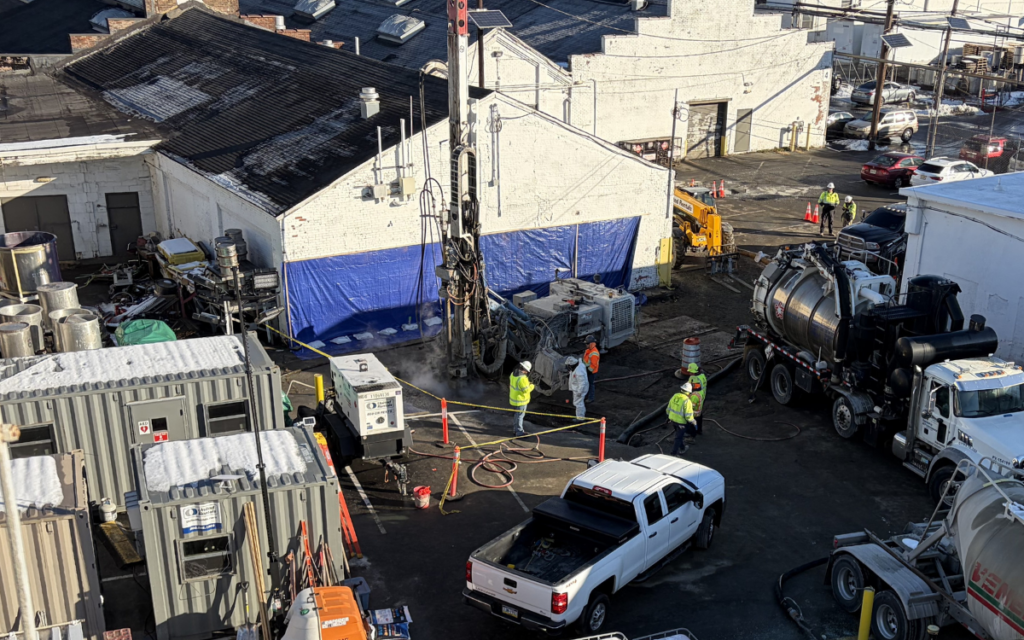
Jet grouting is a blend of grouting and soil mixing where the soils are mixed with a grout using a high‑pressure fluid stream to create soil‑cement columns or panels. Jet grouting is a great tool for accomplishing stabilization or solidification in tight access areas, when discrete vertical treatment is required, or where there are subsurface or overhead utilities.
Slurry Trenching (Walls)
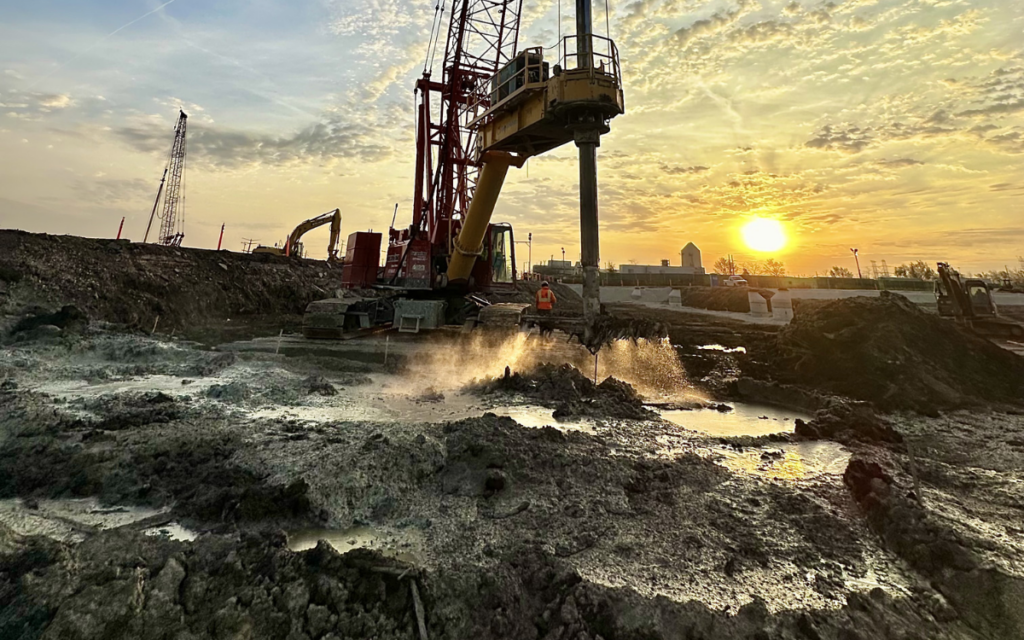
Slurry trenching refers to a method of installing deep, narrow structures in the subsurface without the need for conventional excavation support or dewatering. The technique relies on a slurry, an engineered fluid that is often bentonite clay mixed with water, to balance the lateral earth pressure of the soils.