
Deep Drains
High-capacity subsurface drainage systems for groundwater control, slope stability, and foundation performance.
Overview of deep drains
Deep drains are subsurface groundwater control systems designed to intercept, collect, and convey groundwater to relieve pore water pressures and/or control seepage. At GSI, these systems are typically vertical elements installed in the ground to intercept horizontal groundwater flow. The drain can consist of just a trench filled with free-draining aggregate or can include perforated pipes, filter media, and engineered outlets to improve long term performance.
Originally developed for dam, levee, and slope stabilization projects, deep drains are now widely used across environmental and geotechnical applications. They are particularly effective where groundwater pressures compromise slope stability, excavation safety, or foundation performance, and where shallow drainage systems are insufficient.
By reducing hydrostatic pressures and groundwater gradients, deep drains improve effective stress in soils, enhance stability, and reduce the risk of uplift, piping, and excessive seepage. Deep drain systems are frequently integrated with cutoff walls, ground improvement, and containment systems to provide comprehensive groundwater management solutions.
key benefits
- Reduces groundwater pressures, improving slope stability and embankment safety
- Enhances performance of deep excavations by lowering groundwater levels and seepage forces
- Improves long-term geotechnical stability for foundations, dams, levees, and earth structures
- Compatible with cutoff walls, soil mixing, and barrier systems for integrated groundwater control
- Adaptable installation geometries, including vertical, inclined, and horizontal drains
- Cost-effective alternative to large-scale pumping systems, reducing long-term O&M requirements
Applications
- Groundwater Control: Hydraulic pressure relief beneath structures, embankments, and excavation support systems
- Slope Stability: Reduction of pore pressure in slopes, levees, dams, and landslide-prone areas
- Infrastructure Projects: Roadways, rail corridors, bridge approaches, and utility corridors
- Environmental Projects: Drainage control beneath caps, containment systems, and
- Foundation Support: Improvement of bearing conditions and uplift resistance for deep foundations
- Mining & Industrial Sites: Dewatering and groundwater management in deep or sloped excavations.
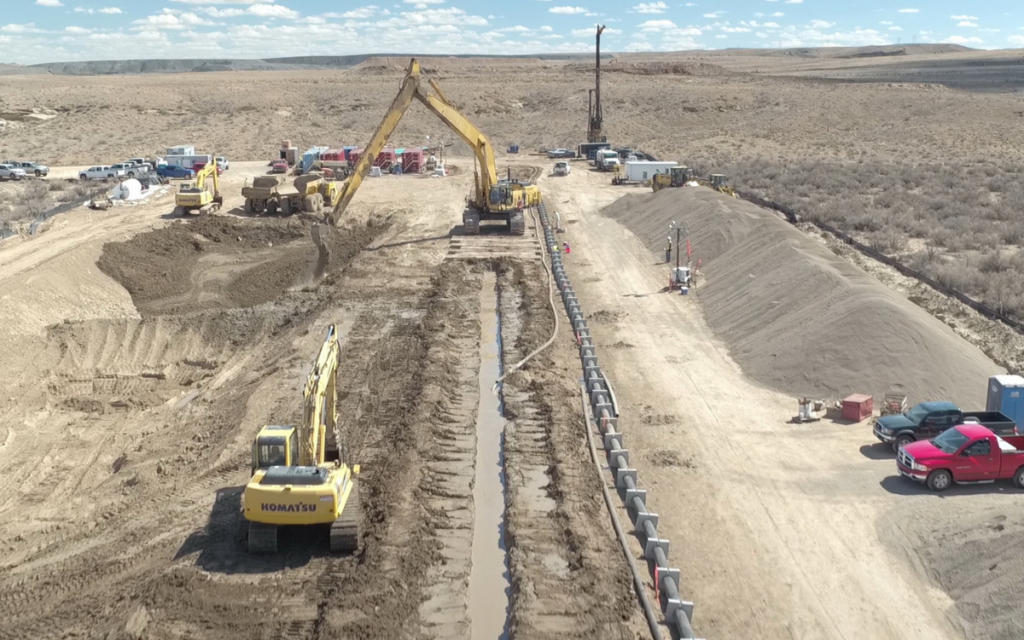
groundwater control
Groundwater control refers to methods that address seepage, hydraulic pressure, and subsurface water movement that affect excavation safety and structural performance. Cutoff walls and deep drains are common solutions used to manage groundwater in complex site conditions.
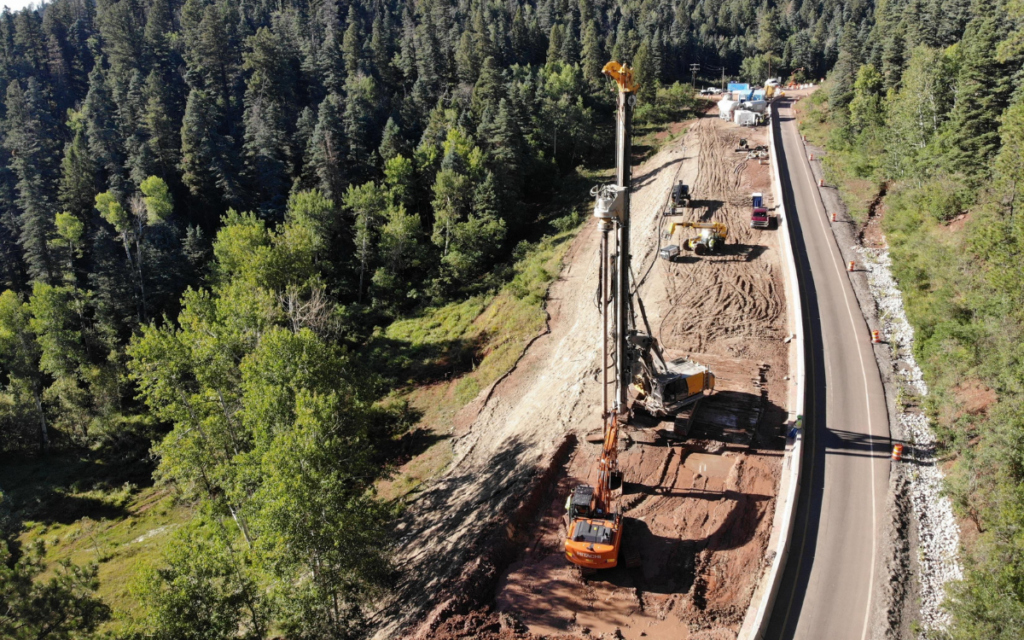
environmental remediation
Environmental remediation refers to methods for isolating, stabilizing, and treating contaminated soil, sediment, and groundwater. In situ stabilization and solidification performed using soil mixing is a common environmental remediation approach.
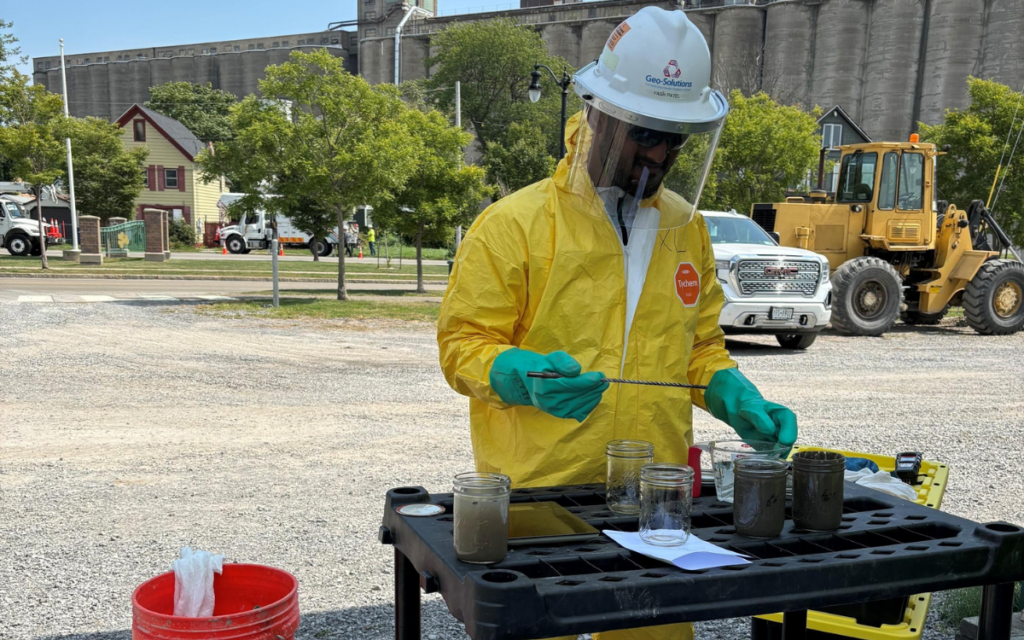
Preconstruction Services
Preconstruction services refer to early‑stage contractor involvement to address constructability components to inform project planning. Bench scale studies, constructability reviews, and pilot programs are commonly used to support design and solution selection.
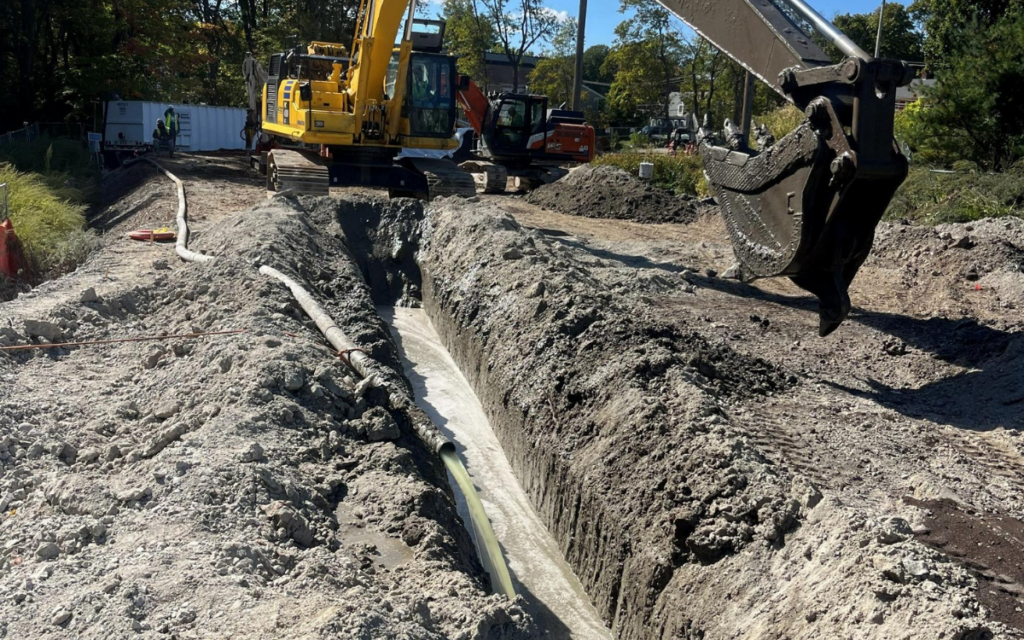
polymer trenching
Polymer trenching refers to trench excavations supported by polymer slurries. Polymer slurries are most commonly used when the resulting trench needs to have a high permeability as opposed to low permeability cutoff walls which are often installed using bentonite slurries.
auger excavation (LDA)
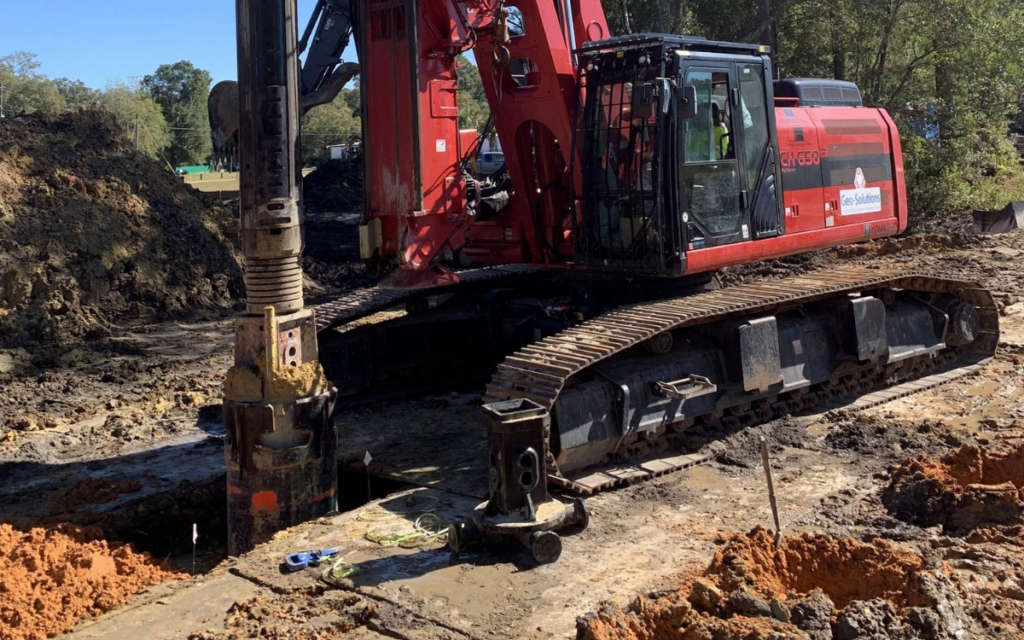
Large‑diameter auger excavation refers to a controlled excavation method using oversized augers. LDA systems are commonly used where access is limited preventing the use of a more conventional excavation approach.
soil mixing
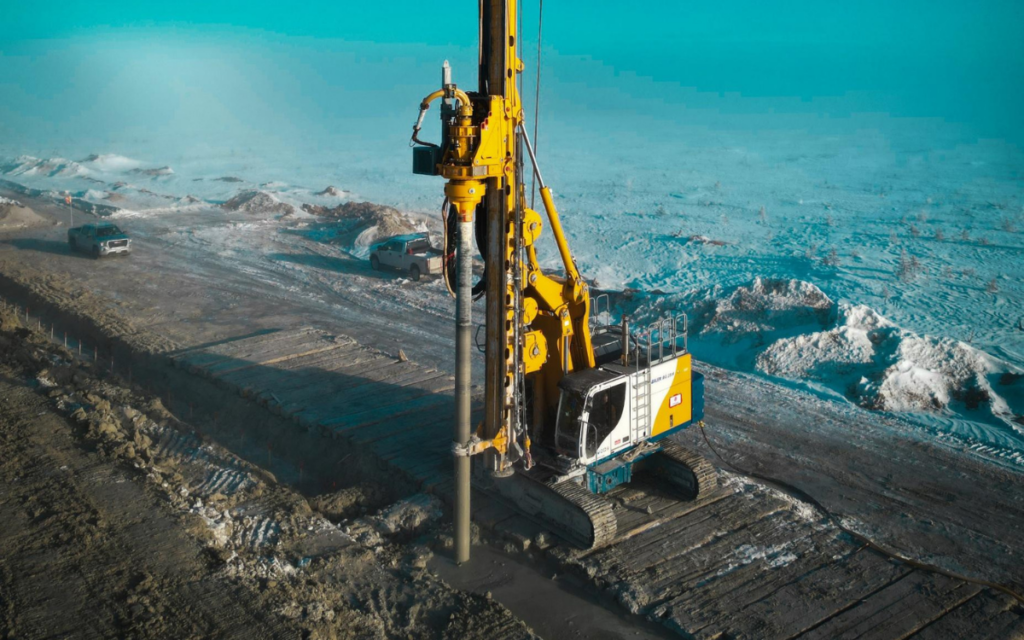
Soil mixing refers to various methods used to blend in situ soils with reagents to improve the soil properties relative to the soils alone. Soil mixing can be used to solve a variety of geotechnical and environmental problems.