
In-Situ Treatment
Subsurface remediation using soil mixing and chemical treatment methods
Overview of In-Situ Treatment
In-situ treatment refers to the remediation of contaminated soils and groundwater without excavation. Geo-Solutions applies this approach using soil mixing to deliver oxidizing and reducing agents. The goal is to chemically transform contaminants within the ground into inert or less harmful compounds.
Common in-situ treatment methods include chemical oxidation (ISCO), chemical reduction (ISCR). These techniques rely on mixing contaminated soils with reagents such as sodium persulfate, potassium permanganate, ferrous sulfate, and zero-valent iron. Once the reaction is complete, a solidification step can be completed to bind any remaining contaminants or to produce a subsurface suitable for future construction. In some cases, the binding agent can be added with the treatment reagent, such as with sodium persulfate. In this case, the cement catalyzes the oxidation reaction. In other cases, the binding agent would prevent the treatment reaction so the binding agent must be applied after the reaction is complete.
Geo-Solutions has been at the forefront of the application of in-situ treatment for environmental remediation.
key benefits
- Eliminates or reduces the need for excavation and off-site disposal
- Provides long-term reduction of contaminant impact
- Compatible with a wide range of contaminants and site conditions
- Cost-effective compared to traditional dig-and-haul methods
Applications
- Manufactured Gas Plant (MGP) Sites: Stabilization/solidification of coal tar and PAH-contaminated soils
- Industrial Brownfields: Treatment of heavy metals, solvents, and petroleum hydrocarbons
- Waterfront and Sediment Sites: Stabilization of contaminated sediments and shoreline soils
- Groundwater Containment: Construction of reactive barriers for plume control
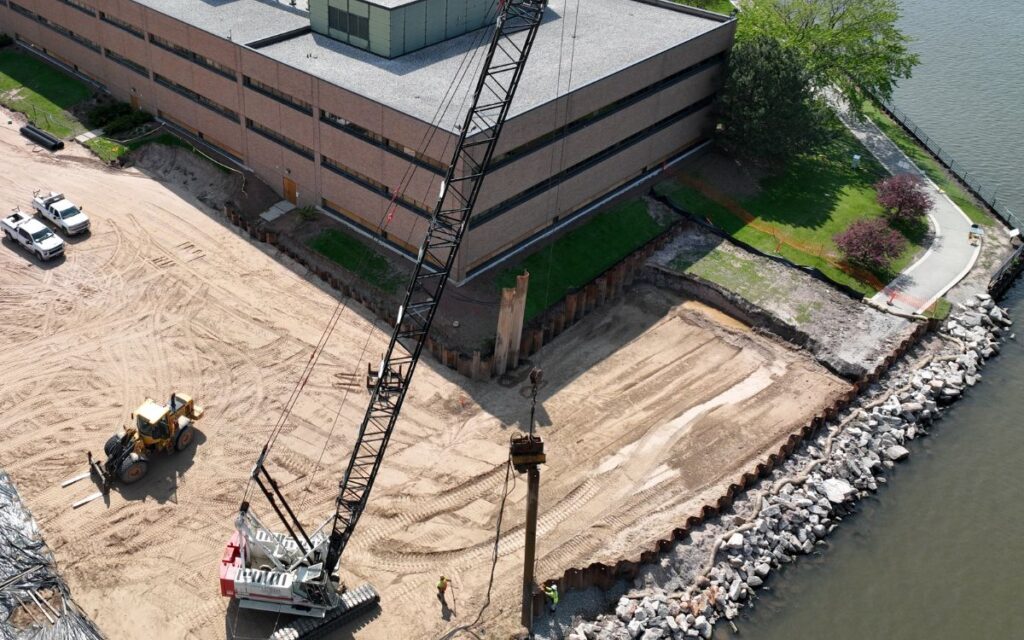
marine services
Marine services refer to construction and remediation activities performed in rivers, harbors, and waterfront environments. In-water soil mixing performed from barges, dredging, and in-water capping are common marine construction approaches.
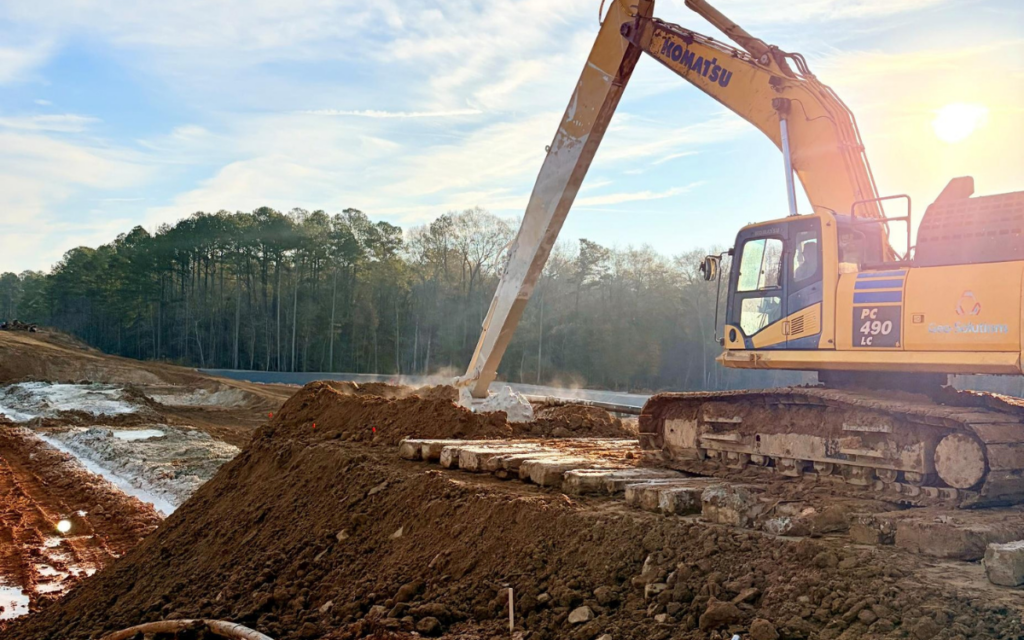
environmental remediation
Environmental remediation refers to methods for isolating, stabilizing, and treating contaminated soil, sediment, and groundwater. In situ stabilization and solidification performed using soil mixing is a common environmental remediation approach.
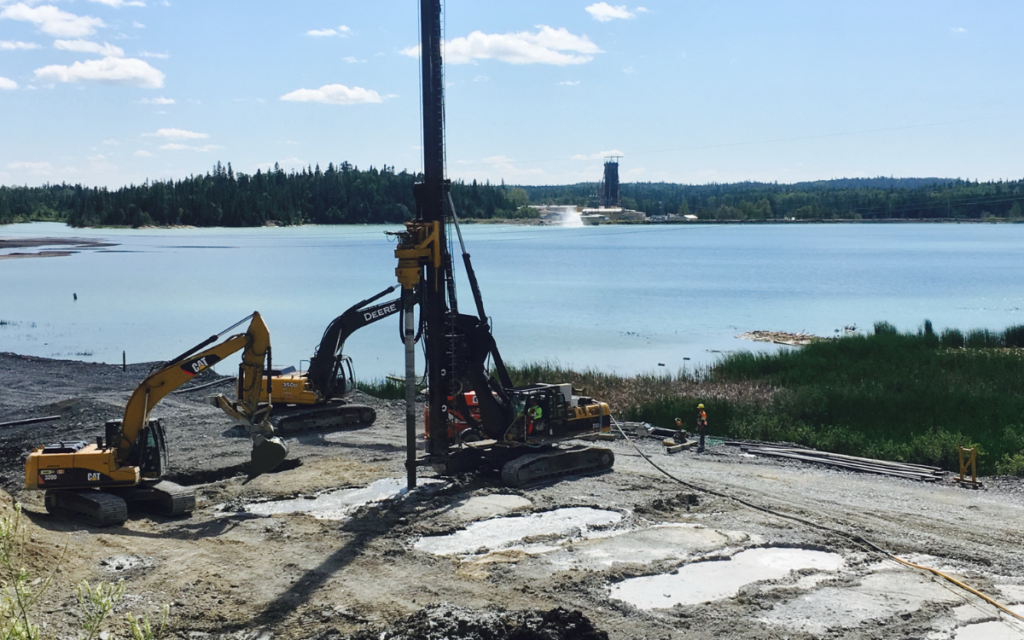
Ground improvement
Ground improvement refers to methods used to improve (often strengthen) weak, compressible, variable, or undesirable soils for specific performance enhancement. Soil mixing and rigid inclusions are common ground improvement solutions used to control settlement and improve subsurface behavior.
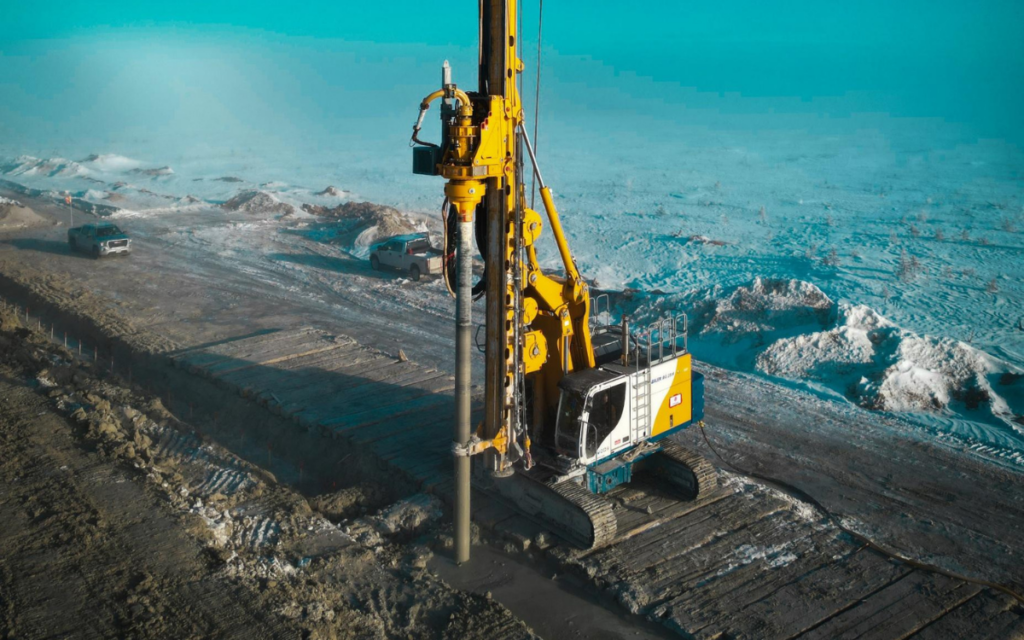
soil mixing
Soil mixing refers to various methods used to blend in situ soils with reagents to improve the soil properties relative to the soils alone. Soil mixing can be used to solve a variety of geotechnical and environmental problems.
jet grouting
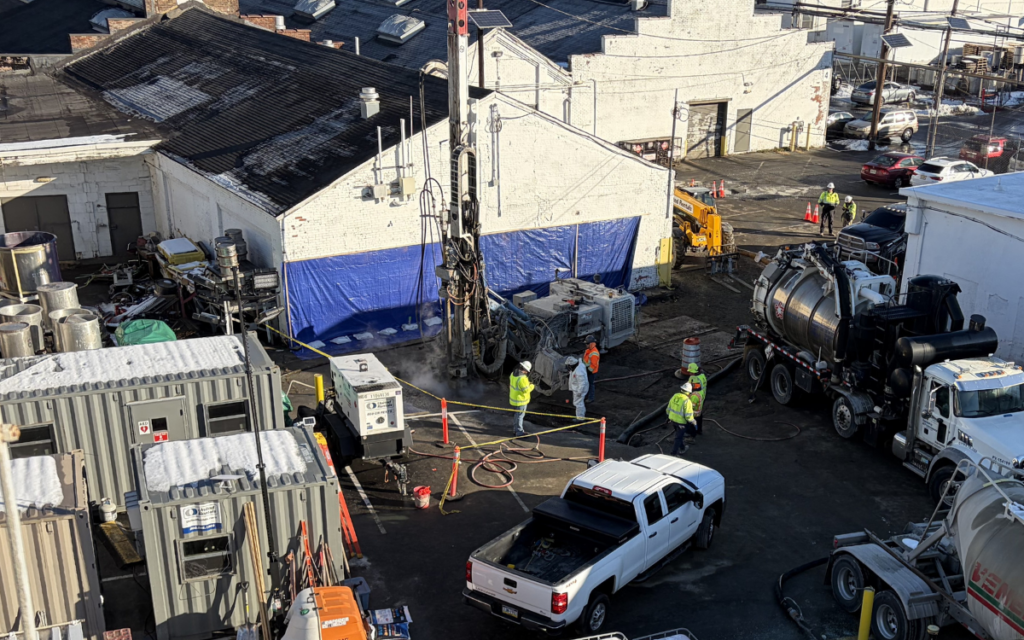
Jet grouting is a blend of grouting and soil mixing where the soils are mixed with a grout using a high‑pressure fluid stream to create soil‑cement columns or panels. Jet grouting is a great tool for accomplishing stabilization or solidification in tight access areas, when discrete vertical treatment is required, or where there are subsurface or overhead utilities.
In-Water Soil Mixing
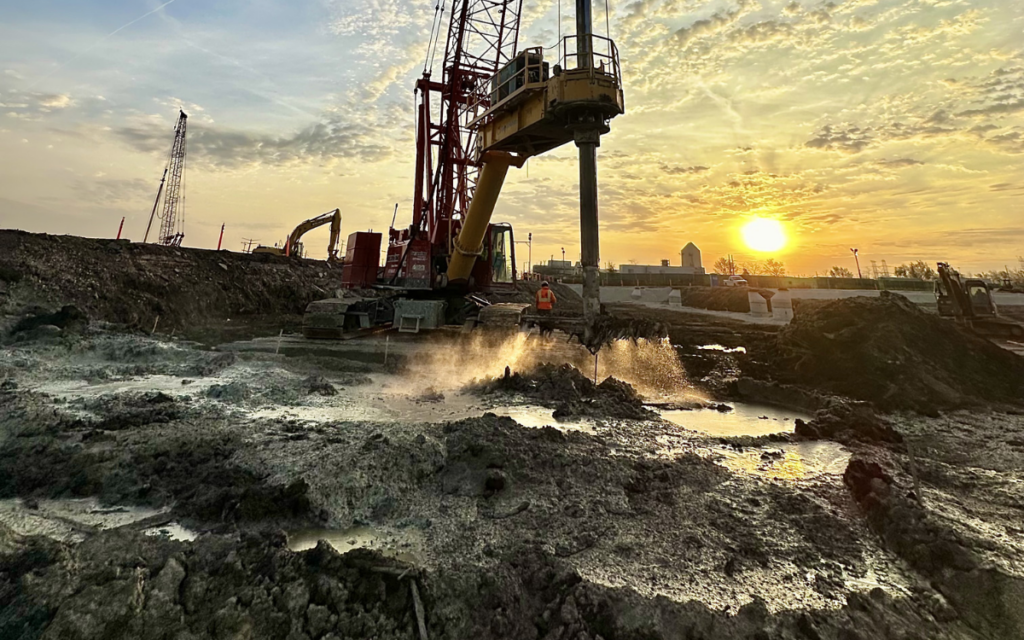
In‑water soil mixing refers to soil mixing performed on soils or sediments in place beneath a water column. Barge‑mounted soil mixing equipment is commonly used for in‑water soil mixing.