
In-Water Soil Mixing
In‑situ treatment and stabilization of submerged sediments for environmental remediation and ground improvement.
Overview of in-water soil mixing
Soil mixing is a means of mechanically mixing reagents with soil, often in place. In-water soil mixing is a specialized application of soil mixing wherein the mixing takes place beneath a water columnd. The soils, or often sediments in this application, are mixed with reagents at the based of a water column, for instance in a canal, river, or bay. The solution implemented for in-water soil mixing is often ISS though it is also possible to use this technique to install geotechnical solutions in water for instance to improve bearing capacity for expansion of land into water. By mechanically mixing engineered binding agents into the sediments, the process creates a stabilized mass with improved strength, reduced permeability, and reduced contaminant leachiability while avoiding the complexities of conventional dredging operations, specifically disposal of the dredged materials.
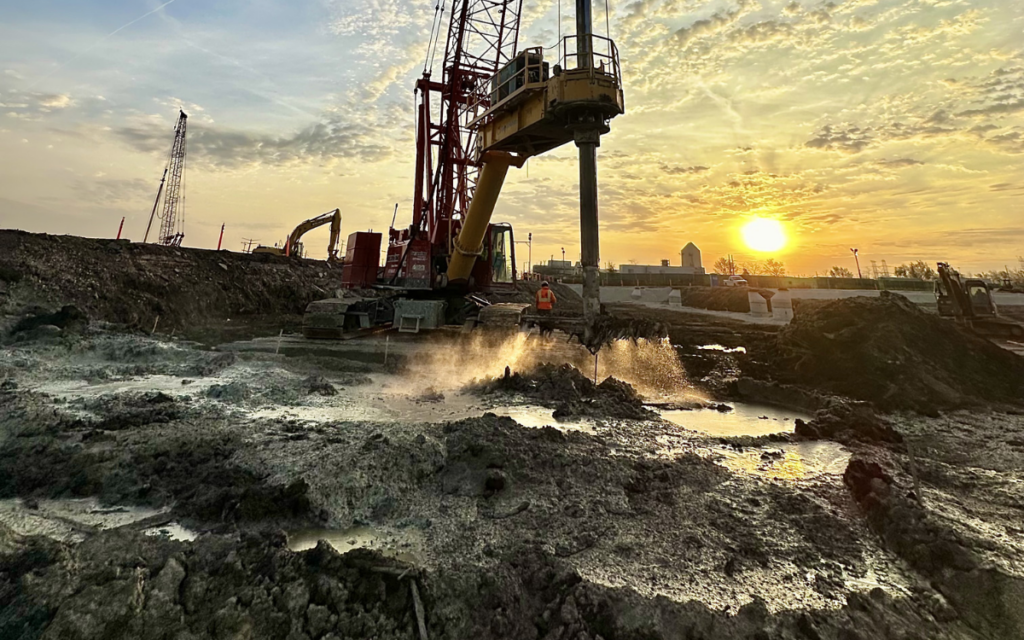
The soil mixing process is typically performed from modular or conventional marine platforms using large-diameter augers or similar soil mixing tools. During mixing, slurried reagents are introduced and blended thoroughly with the submerged sediments to form individual treated columns. These columns may overlap or be constructed in a grid pattern to create a continuous treated zone or monolith tailored to project-specific geotechnical or environmental performance requirements.
In-water soil mixing offers a cost-effective and minimally disruptive alternative to dredging and capping. Treating sediments in place reduces the need for dewatering, material handling, transportation, and off-site disposal, while minimizing impacts to adjacent waterways and aquatic habitats. The adaptability of the technology allows it to be successfully implemented in rivers, harbors, canals, and impoundments with varying sediment conditions and water depths.
key benefits
- Eliminates the need for dredging and off-site disposal
- Treats contaminated or weak sediments in place
- Improves strength, stiffness, and load-bearing capacity of submerged soils
- Reduces permeability and limits contaminant migration
- Minimizes impacts to aquatic environments and waterways
- Adaptable to varying water depths and sediment thicknesses
- Proven technology derived from established soil mixing and ISS methods
Applications
- Contaminated sediment remediation
- Marine and waterfront construction support
- Harbor, river, and canal improvement projects
- Ground improvement beneath wharves, piers, and waterfront structures
- Sediment stabilization for redevelopment and infrastructure projects
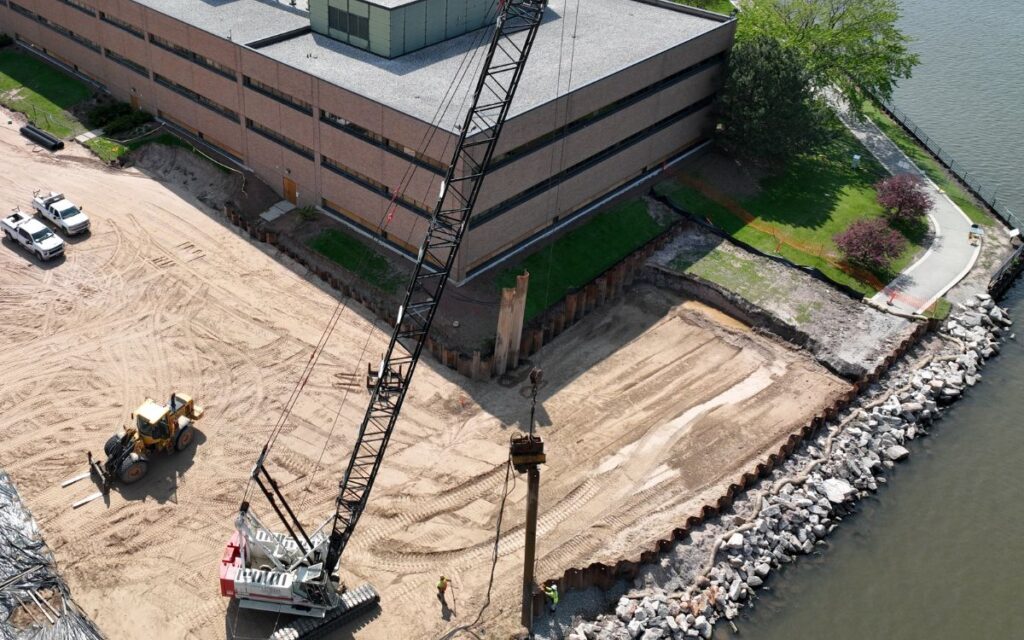
marine services
Marine services refer to construction and remediation activities performed in rivers, harbors, and waterfront environments. In-water soil mixing performed from barges, dredging, and in-water capping are common marine construction approaches.
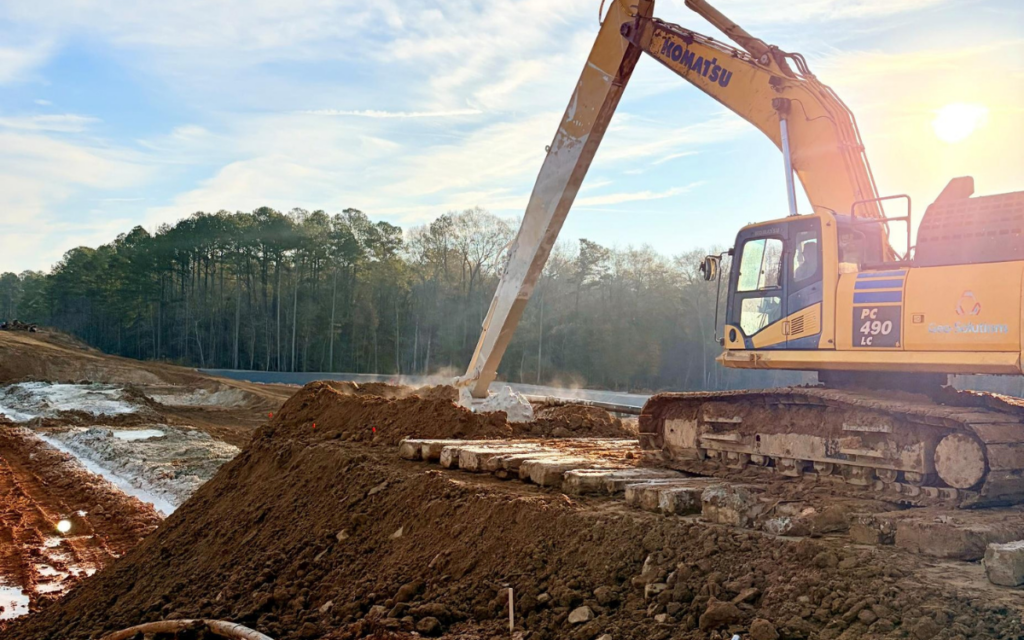
environmental remediation
Environmental remediation refers to methods for isolating, stabilizing, and treating contaminated soil, sediment, and groundwater. In situ stabilization and solidification performed using soil mixing is a common environmental remediation approach.
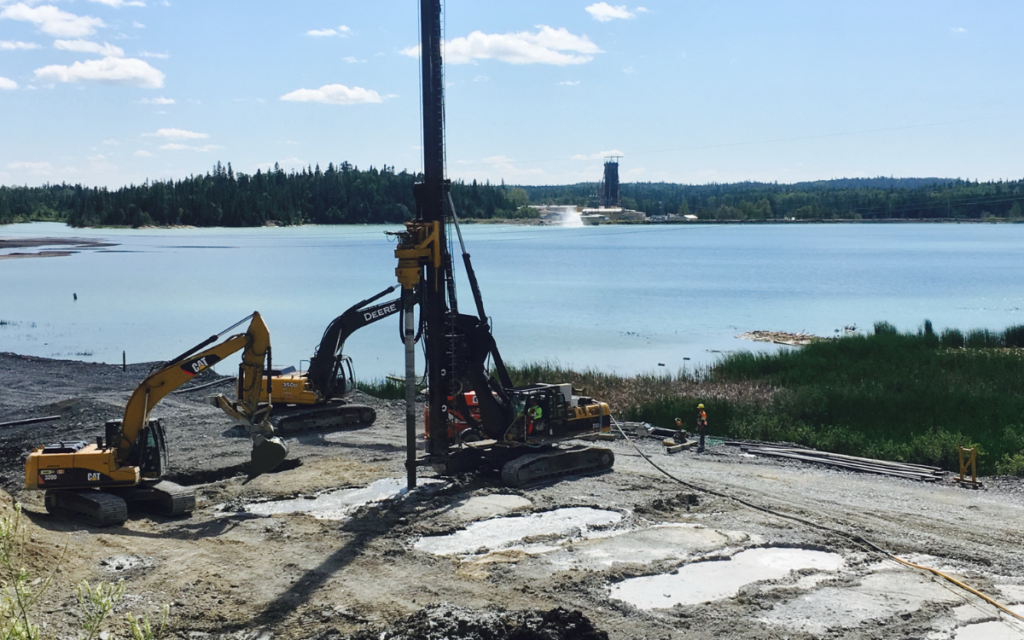
Ground improvement
Ground improvement refers to methods used to improve (often strengthen) weak, compressible, variable, or undesirable soils for specific performance enhancement. Soil mixing and rigid inclusions are common ground improvement solutions used to control settlement and improve subsurface behavior.
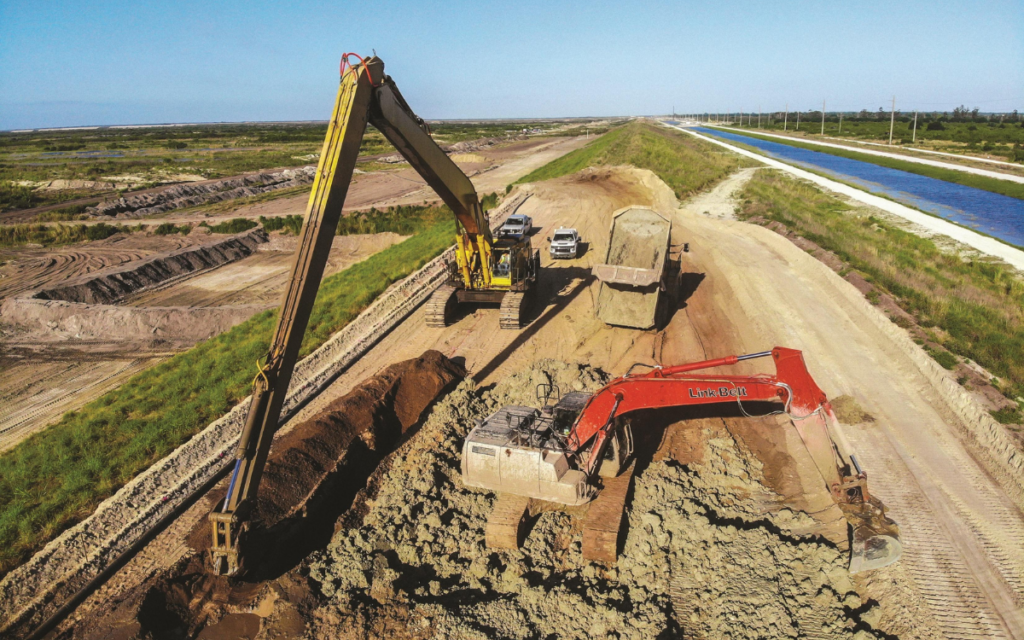
Stabilization / solidification
Stabilization and solidification refer to methods of reducing contaminant immobility by either chemically binding the contaminant or by locking the contaminant in a low-permeability monolith. In environmental remediation, this is often accomplished in-place via soil mixing and referred to as in situ stabilization / solidification (ISS).
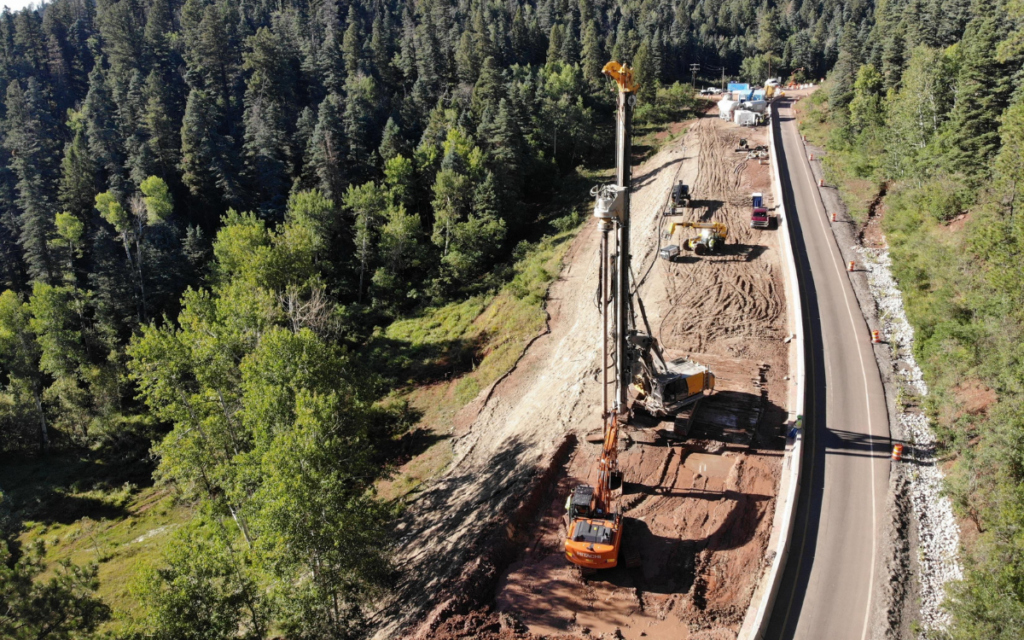
IN-situ treatment
In situ treatment refers to methods that treat contaminated soils directly in place without excavation or stabilization / solidification. Soil mixing performed with oxidants (ISCO) or reducing agents (ISCR) are common forms of in situ treatment.
Habitat Resoration
Habitat restoration refers to a variety of method to re-establish habitats damaged by contamination or other human impacts. Targeted dredging can help re-shape marine environments, wetland creation can re-establish natural filters, and in-water capping can protect aquatic environments from continued impacts due to contamination.