
Rigid Inclusions
Ground improvement using rigid elements to reduce settlement and improve bearing capacity
Overview of Rigid Inclusions
Rigid inclusions are non-structural columns installed in weak soils to improve ground performance. They act as stiff elements within the soil mass, reducing settlement and increasing load distribution efficiency. Unlike structural piles, rigid inclusions are not directly connected to a structure but work in combination with the surrounding soil and a load transfer platform.
This technique is commonly used where shallow foundations alone do not meet settlement criteria, but full deep foundations are not required, such as heavy highway or bridge columns. Rigid inclusions are often paired with geogrids or engineered load transfer platforms to ensure uniform load distribution. They are typically constructed using displacement or replacement methods with grout or concrete columns. Rigid inclusions may or may not be constructed using a form of ground improvement, but the system, acting in combination with the soils, could certainly be considered a form of ground improvement.
key benefits
- Reduces total and differential settlement in weak soils
- Improves bearing capacity without full deep foundation systems
- Cost-effective alternative to soil replacement or structural piles
- Compatible with a wide range of soil conditions
- Minimal vibration and reduced spoils during installation
applications
- Transportation Infrastructure: Support for embankments, approach fills, and roadways over soft soils
- Environmental Resilience at Industrial and Commercial Facilities: Beneath or around tanks, secondary containment slabs, and related, light structures to control ground settlement and avoid spills related to structural failure
- Site development: Single and multi-family construction where ground improvement is required
- Flood Control and Water Management: Under levees and berms to enhance stability
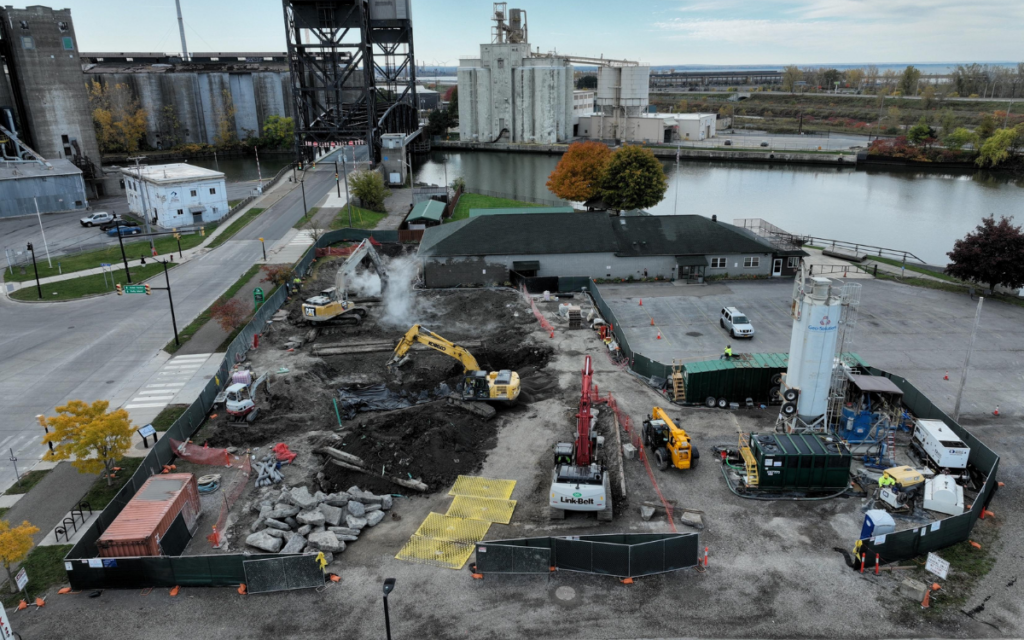
Foundations & Shoring
Foundations and shoring refer to systems used to support excavations and structures in difficult ground or groundwater conditions with elements that do not rely heavily on the soil. Auger cast piles are a common deep foundation technology and secant pile walls are a common earth retention technology.
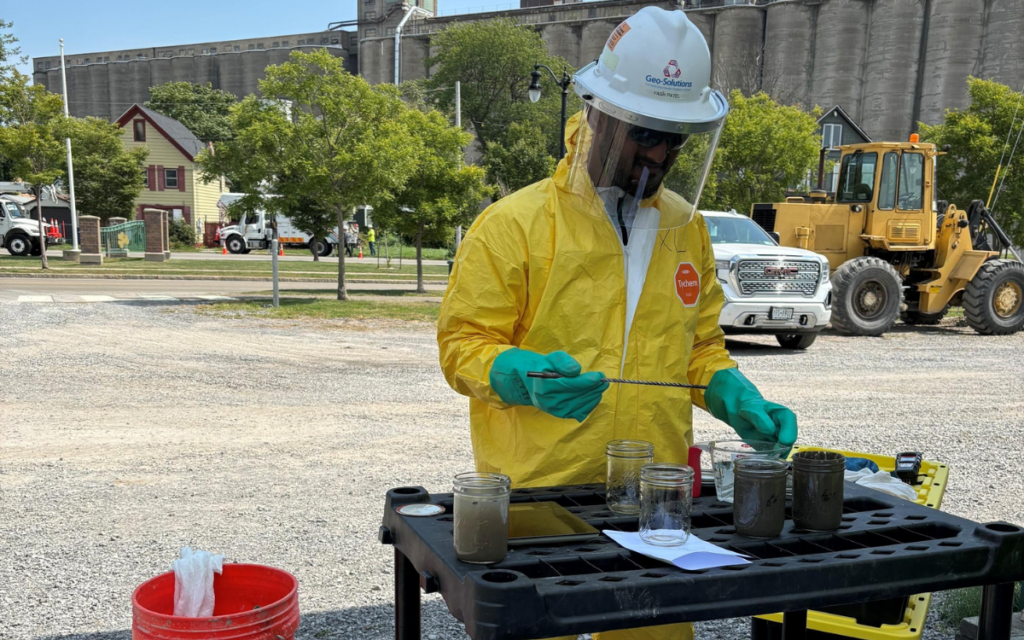
Preconstruction Services
Preconstruction services refer to early‑stage contractor involvement to address constructability components to inform project planning. Bench scale studies, constructability reviews, and pilot programs are commonly used to support design and solution selection.
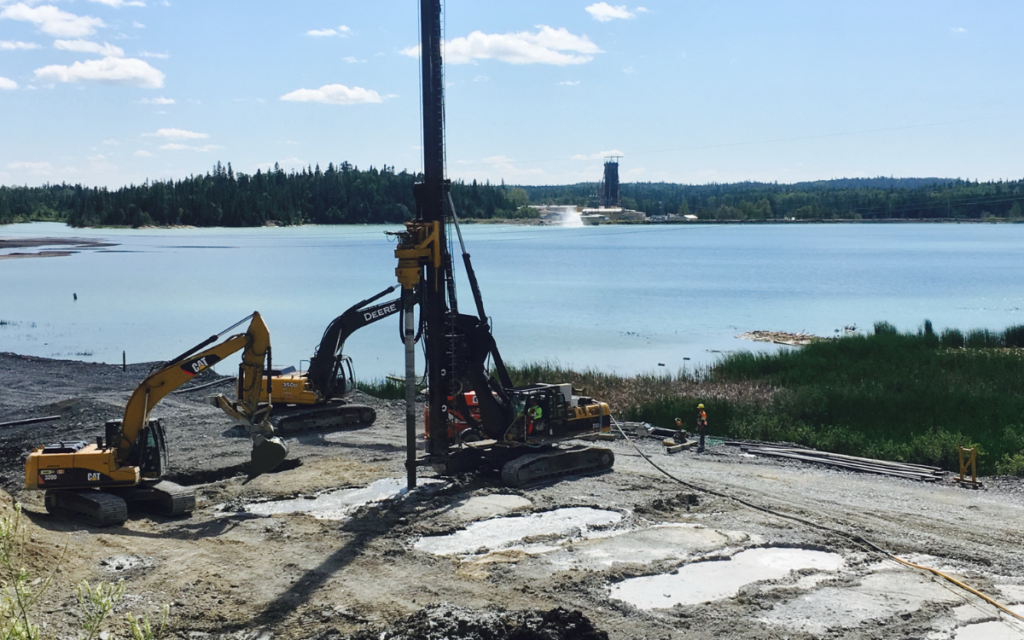
Ground improvement
Ground improvement refers to methods used to improve (often strengthen) weak, compressible, variable, or undesirable soils for specific performance enhancement. Soil mixing and rigid inclusions are common ground improvement solutions used to control settlement and improve subsurface behavior.
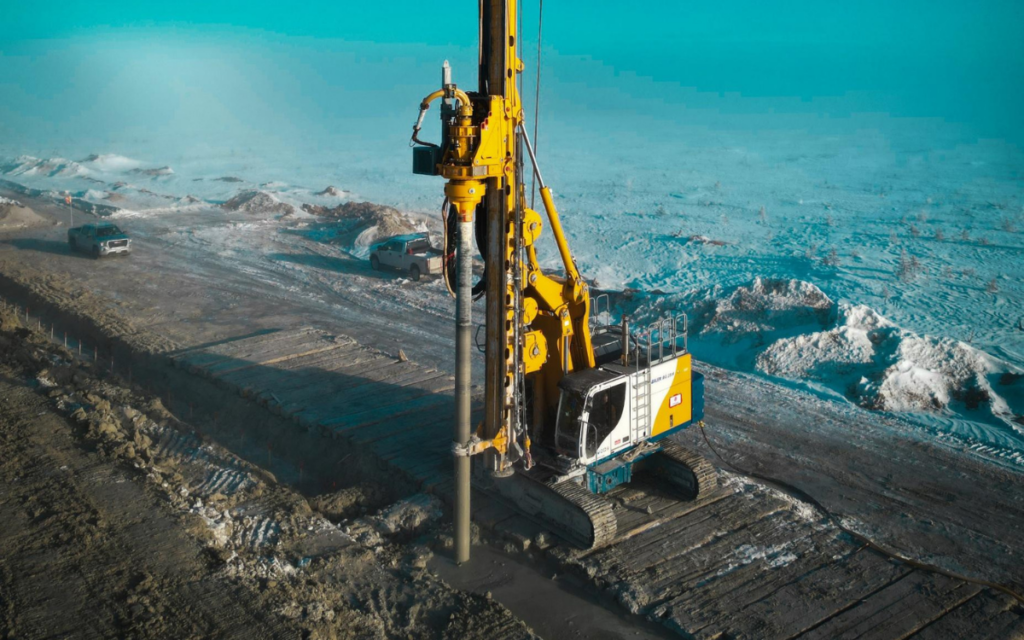
soil mixing
Soil mixing refers to various methods used to blend in situ soils with reagents to improve the soil properties relative to the soils alone. Soil mixing can be used to solve a variety of geotechnical and environmental problems.
jet grouting
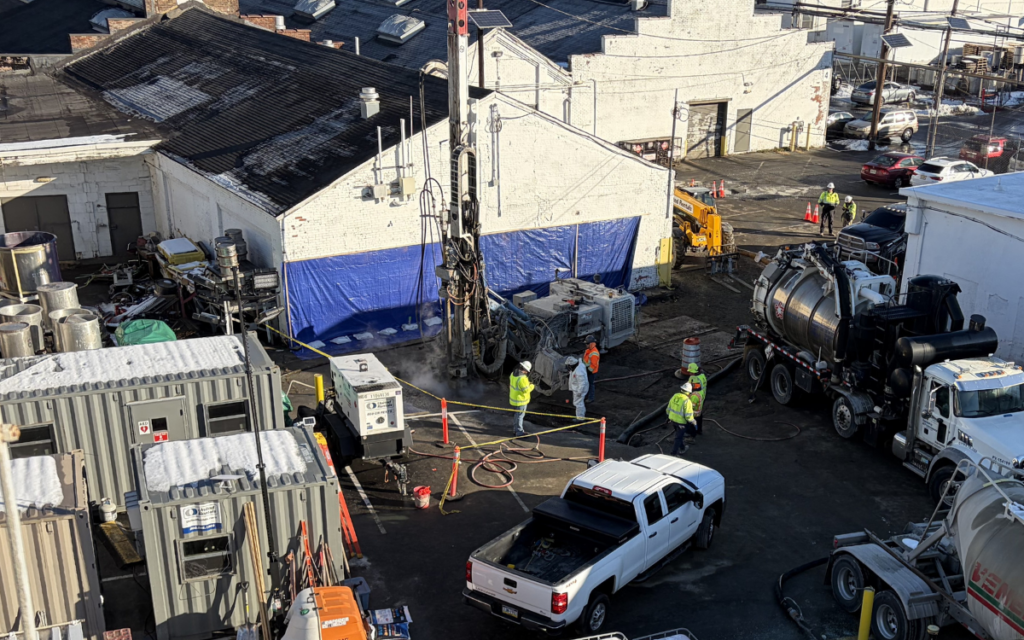
Jet grouting is a blend of grouting and soil mixing where the soils are mixed with a grout using a high‑pressure fluid stream to create soil‑cement columns or panels. Jet grouting is a great tool for accomplishing stabilization or solidification in tight access areas, when discrete vertical treatment is required, or where there are subsurface or overhead utilities.
In-Water Soil Mixing
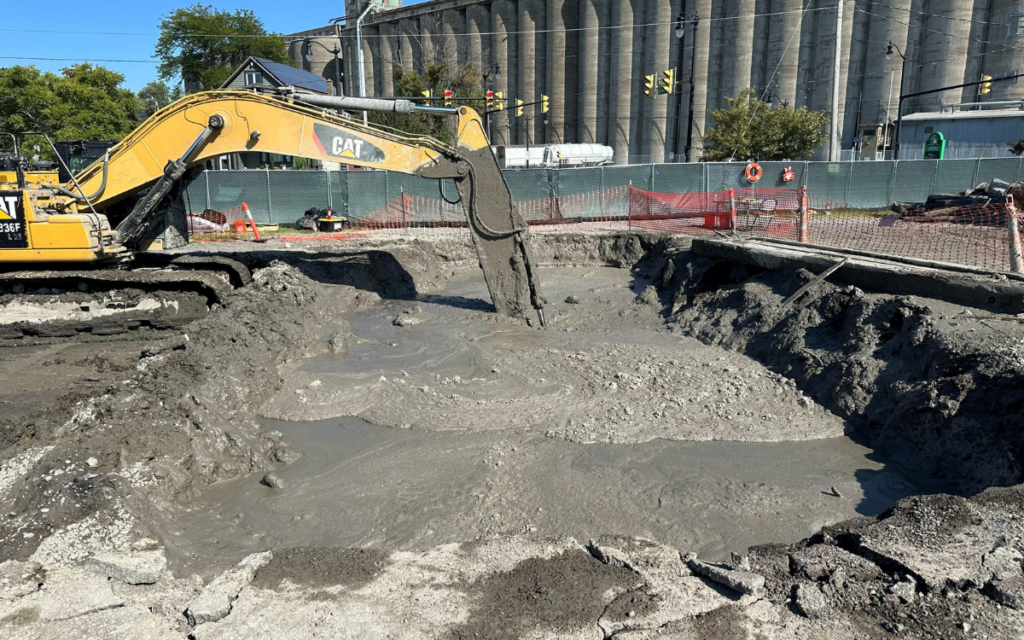
In‑water soil mixing refers to soil mixing performed on soils or sediments in place beneath a water column. Barge‑mounted soil mixing equipment is commonly used for in‑water soil mixing.