
In-Water Capping
Engineered sediment caps placed from modular barges to isolate contaminants, stabilize riverbeds, and enhance habitat in aquatic environments.
Overview in-Water Capping
In Water Capping is the placement of clean material—typically sand and gravel with optional geotextiles and reactive amendments (e.g., activated carbon, organoclay, ZVI)—over contaminated sediments to physically and chemically isolate contaminants from the water column and biota. Properly designed caps provide physical isolation, stabilization against erosion, and chemical isolation (reduced pore water flux), and can be configured as conventional (granular) or amended “active” caps to meet project specific risk reduction goals.
Construction is performed from modular or standard barge systems using mechanical placement (excavator/tele stacker) or controlled hydraulic slurry capping, guided by RTK GPS and production monitoring to achieve target thickness and uniformity while minimizing resuspension. Cap designs often incorporate filter and armor layers to resist currents, waves, and prop wash, and may include thin layer placement where bathymetric or ecological constraints apply.
Because capping treats in place, it can avoid extensive dredged material handling and disposal, reduce construction risk and cost, and accelerate schedule—especially at sites with sensitive receptors or complex infrastructure. Where combined remedies are needed, capping can be paired with slurry walls, soil mix barriers, or PRBs to manage groundwater flux and optimize long term performance.
key benefits
- In situ isolation: Immediate risk reduction via physical/chemical separation of biota from underlying contamination.
- Construction efficiency: Avoids large scale dredging, transport, and disposal; adaptable to tight marine logistics.
- Design flexibility: Conventional or amended caps (activated carbon, organoclay, ZVI) sized for erosion, flux, and site hydraulics.
- Habitat enhancement: Tailored surface materials and thin layer placement to promote benthic recovery and diversity.
- Integration ready: Compatible with slurry walls/soil mix walls/PRBs for comprehensive containment and treatment.
applications
- Rivers, harbors, canals, and embayments with persistent sediment impacts (e.g., PAHs, PCBs, metals).
- Near sensitive infrastructure where dredging is risky or disruptive, and post dredge residual management is required.
- Waterfront/MGP and industrial sites where capping is combined with vertical barriers or in situ treatments for long term control.
marine services
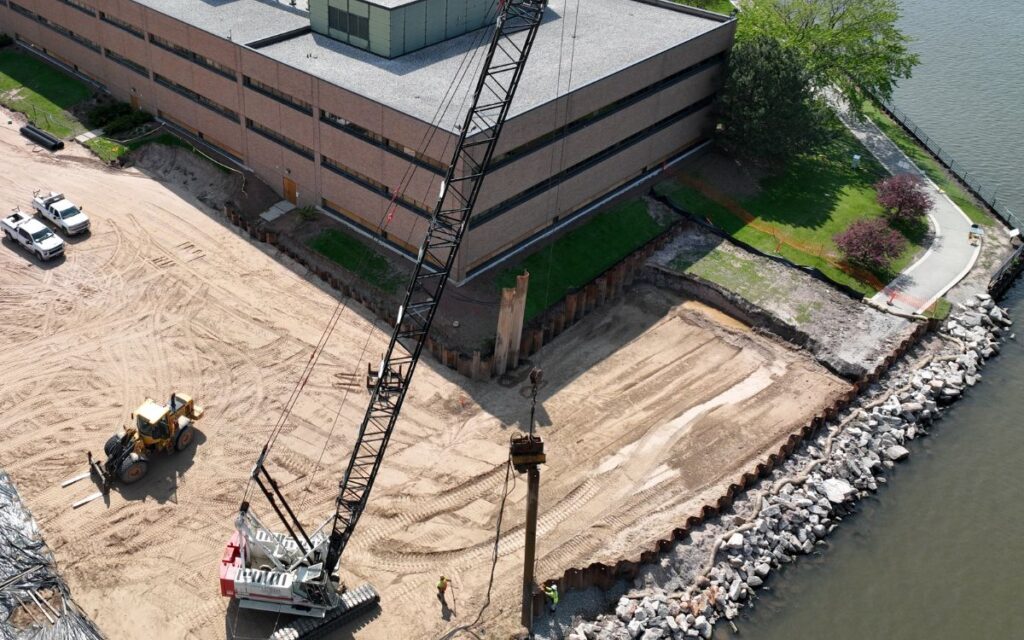
In Water Capping relies heavily on marine construction expertise to ensure accurate placement of cap materials and protection of the surrounding aquatic environment. Cap installation is typically performed from modular or conventional barges using mechanical placement methods or hydraulically placed slurry systems, depending on material type and site constraints. Advanced positioning and monitoring technologies allow precise control of horizontal alignment and vertical thickness during placement.
Marine construction planning accounts for water depth, currents, vessel traffic, and seasonal conditions that can affect cap placement and stability. Placement methods are selected to minimize turbidity and sediment resuspension, often using controlled lifts and real time monitoring to verify compliance with environmental performance requirements. This focus on constructability is critical for maintaining cap integrity during installation and throughout its service life.
In Water Capping projects are frequently conducted in active waterways, requiring close coordination with marine stakeholders and regulatory agencies. Experience with barge operations, material handling, and environmental controls allows in water caps to be installed efficiently while maintaining navigation and minimizing disruption to ongoing waterway use.
Environmental Remediation
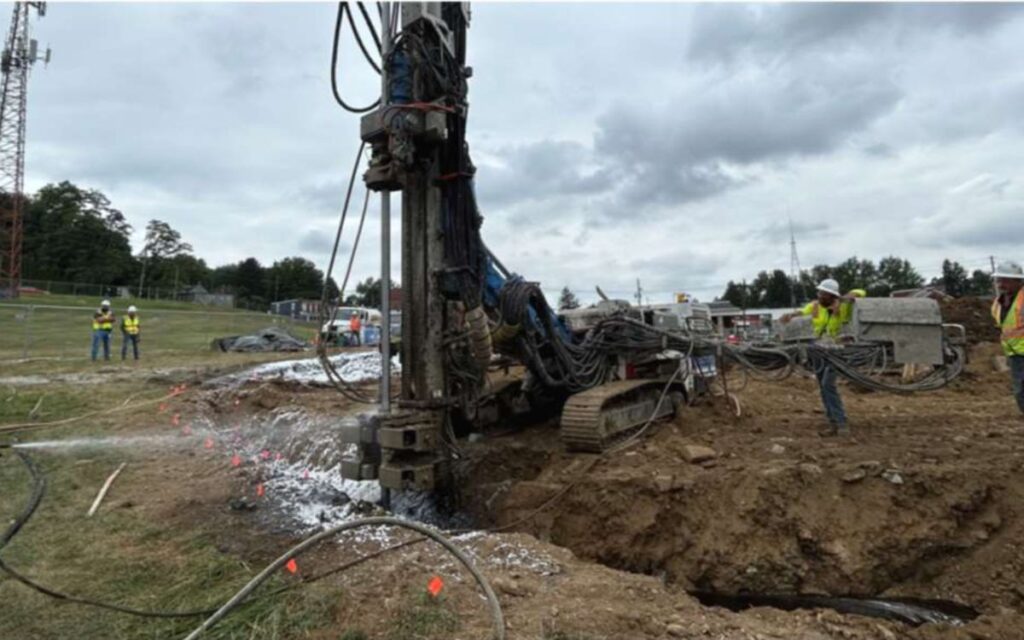
In Water Capping is a proven environmental remediation approach used to isolate contaminated sediments from the aquatic environment by placing engineered layers directly over impacted material. The cap acts as a physical and chemical barrier that reduces contaminant mobility, limits exposure to benthic organisms, and minimizes the potential for contaminants to re enter the water column. Depending on site conditions and cleanup objectives, caps may consist of clean sand and gravel or incorporate amendments such as activated carbon, organoclays, or other reactive materials to enhance contaminant sequestration.
The design of an in water cap considers multiple exposure pathways, including porewater diffusion, groundwater upwelling, resuspension due to hydraulic forces, and biological interaction. Cap thickness, material selection, and layer configuration are engineered to achieve long term protectiveness while maintaining stability under site specific currents, vessel traffic, and wave action. In many cases, amended caps allow for reduced overall thickness while achieving equivalent or improved contaminant isolation performance compared to conventional caps.
In Water Capping is often implemented as part of a broader remedial strategy that may include dredging, in situ treatment, or vertical containment systems. By treating sediments in place, capping reduces material handling and disposal requirements and can significantly lower construction risk and environmental disturbance. This approach is well suited for sites where contaminant removal is impractical or where preservation of underlying sediments is desired.
preconstruction services
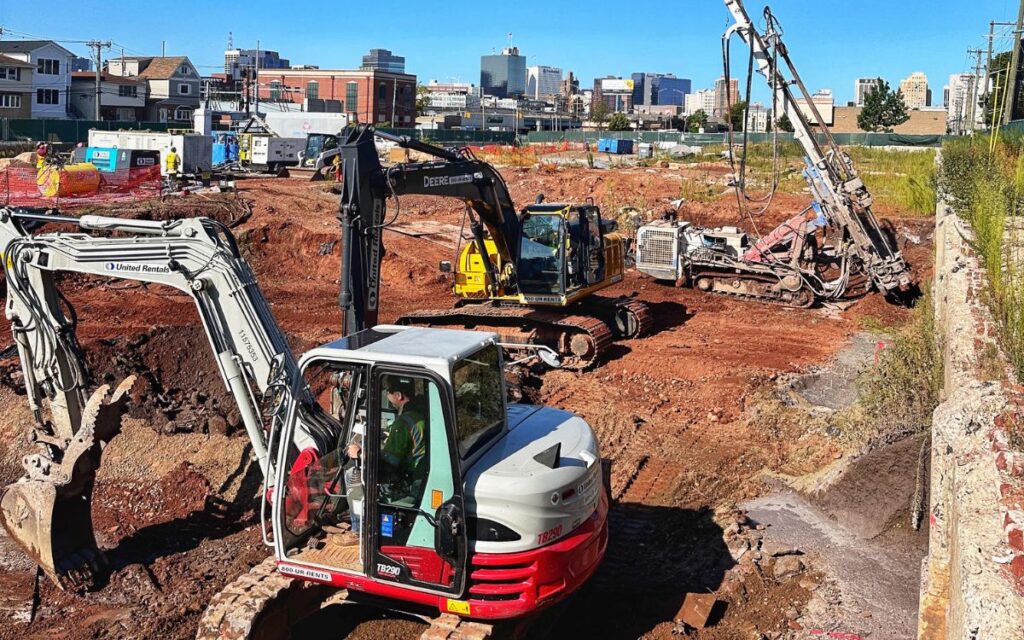
Effective in water capping begins with detailed pre construction services focused on site characterization, design validation, and constructability planning. Laboratory testing and bench scale studies are often conducted to evaluate cap materials and amendments, confirm contaminant binding performance, and refine material specifications. These efforts support development of a cap design that meets regulatory criteria and long term performance objectives.
Modeling and engineering analyses are used to assess cap stability under site specific hydraulic conditions, including current velocity, wave loading, and propeller wash. These evaluations inform selection of armor layers, filters, and overall cap geometry to ensure resistance to erosion and displacement. Pre construction planning also addresses settlement behavior, gas migration, and groundwater flux that could affect cap performance.
Construction sequencing, equipment selection, and quality control procedures are developed during the pre construction phase to ensure smooth execution in the field. This upfront planning reduces uncertainty, enhances safety, and supports reliable installation of the cap in challenging in water environments.
Habitat Restoratiuon
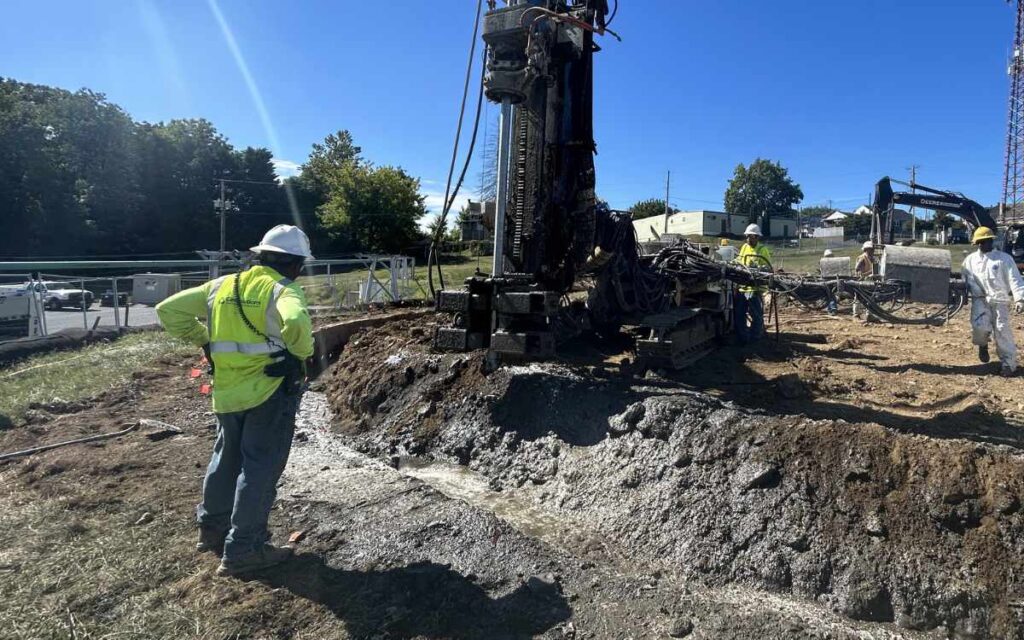
In Water Capping can be designed to support habitat restoration by creating a stable and suitable substrate for aquatic organisms. Surface layers may be tailored with specific grain sizes or textures to encourage recolonization by benthic communities while maintaining isolation of underlying contaminants. This dual purpose design allows remediation and ecological enhancement goals to be achieved simultaneously.
Habitat focused caps often incorporate varying surface elevations and materials to replicate natural bed conditions. These features can improve biodiversity, promote sediment stability, and enhance long term ecological resilience. Thin layer placement techniques may also be used in sensitive areas to limit disturbance while jump starting natural recovery processes.
Monitoring programs are typically implemented to evaluate post construction habitat performance and validate long term success. Adaptive management measures can be applied if adjustments are needed, ensuring that both environmental protection and restoration objectives continue to be met over time.
Environmental Enhancement
Beyond isolation and containment, in water capping can contribute to broader environmental enhancement objectives. Amended caps reduce contaminant bioavailability and improve water quality, supporting recovery of aquatic ecosystems and food webs. By limiting contaminant flux, capping helps create conditions conducive to long term ecological improvement.
Capping strategies can also be aligned with shoreline stabilization and resilience goals by reducing sediment erosion and improving channel stability. When integrated with other remedial and infrastructure measures, in water capping supports sustainable redevelopment of waterfront and industrial sites.
Long term monitoring and maintenance programs verify cap performance and guide adaptive management decisions. This ensures that environmental enhancement benefits persist and that the cap continues to function as intended throughout its design life.
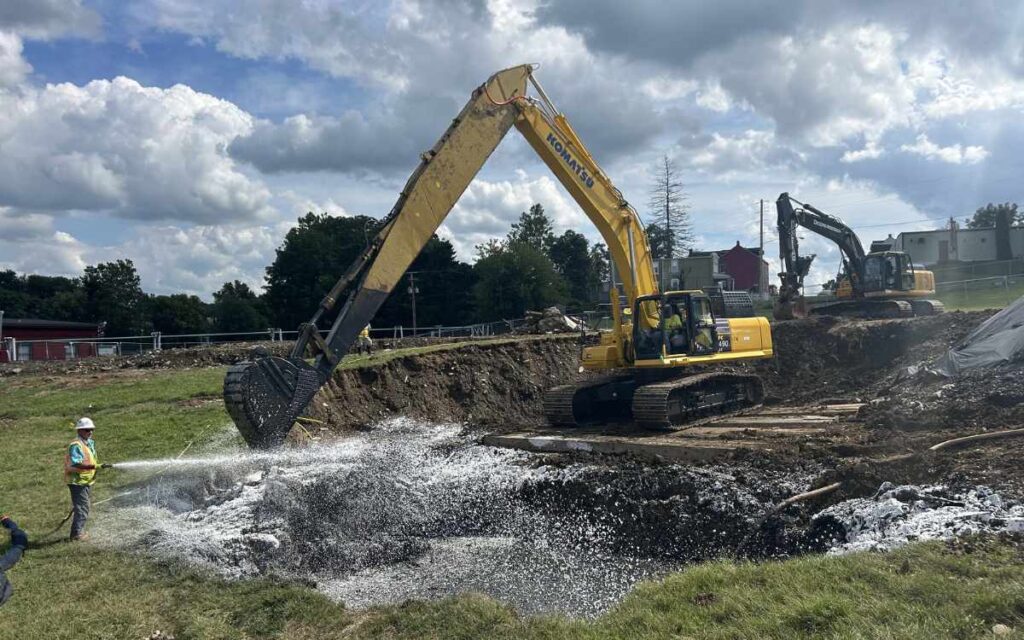
Wetland Remediation
In Water Capping is an effective remediation approach for wetland environments where excavation or dredging may cause unacceptable ecological impacts. Caps are engineered to isolate contaminants while preserving wetland hydrology and supporting vegetation growth. Thin layer and staged placement methods are often used to maintain wetland function during and after construction.
Design considerations include soft sediment behavior, differential settlement, and seasonal water level fluctuations. Cap materials are selected to provide adequate isolation while allowing root penetration and biological activity where vegetation is expected to establish. These designs balance environmental protection with long term wetland sustainability.
In many wetland applications, in water caps are combined with perimeter control features such as vertical barriers or groundwater management systems to address lateral contaminant migration. This integrated approach enhances the effectiveness of wetland remediation efforts while minimizing disturbance to sensitive habitats.