
traditional earthwork
Conventional excavation, grading, and material handling services supporting environmental and civil construction projects.
Overview traditional earthwork
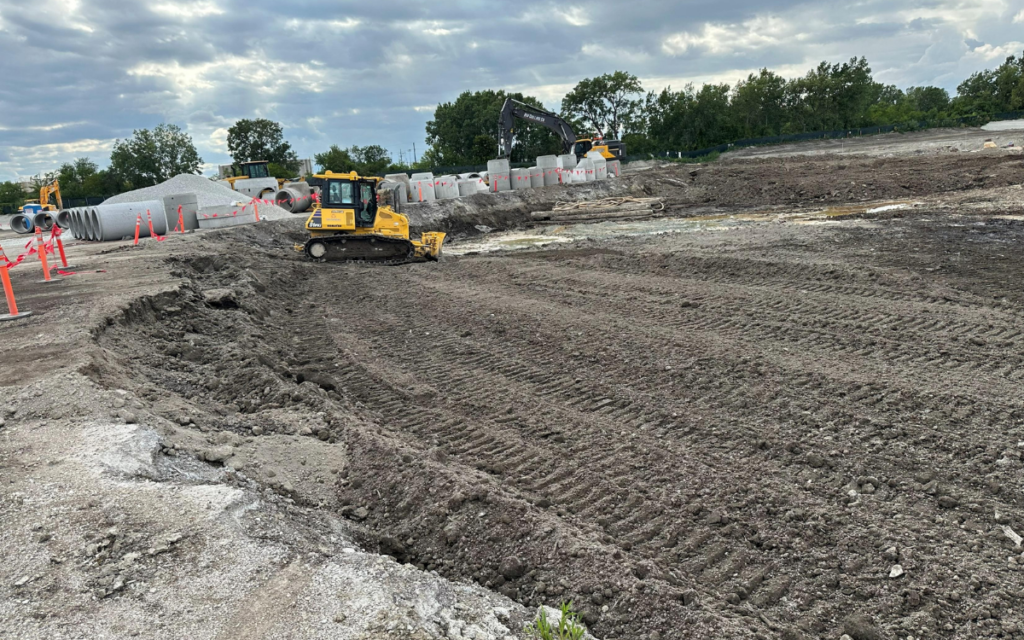
Traditional Earthwork consists of conventional excavation, grading, backfilling, and material handling activities performed using standard construction equipment in an upland environment. These services provide the groundwork necessary to support environmental remediation, geotechnical construction, marine works, and infrastructure improvements. Earthwork is often the first phase of construction and remains critical throughout project execution and site restoration.
We perform traditional earthwork both as a standalone service and as an integrated component of specialty construction projects. Earthwork activities are frequently required to establish site access, prepare subgrades, remove unsuitable or impacted materials, construct embankments, and restore sites following completion of remediation or subsurface construction activities.
Through careful sequencing and coordination, traditional earthwork supports constructability, site safety, and environmental compliance. Geo‑Solutions’ ability to self‑perform earthwork allows seamless integration with groundwater control, remediation systems, and cutoff wall construction, reducing interfaces and improving overall project execution.
key benefits
- Efficient site preparation and grading to support construction activities
- Integrated delivery with environmental and geotechnical services
- Flexible earthwork execution under active or constrained site conditions
- Supports excavation, restoration, and final grading phases
- Improves constructability and schedule reliability
- Experienced crew and equipment suited for complex sites
applications
- Environmental Remediation Sites: Support excavation, access, and restoration
- Industrial & Brownfield Properties: Earthwork under active site conditions
- Infrastructure Projects: Roads, utilities, staging areas, and access corridors
- Marine & Waterfront Projects: Upland earthwork supporting marine construction
- Redevelopment Projects: Bulk earthmoving and controlled excavation
- Habitat & Restoration Areas: Grading and landform reconstruction
marine services
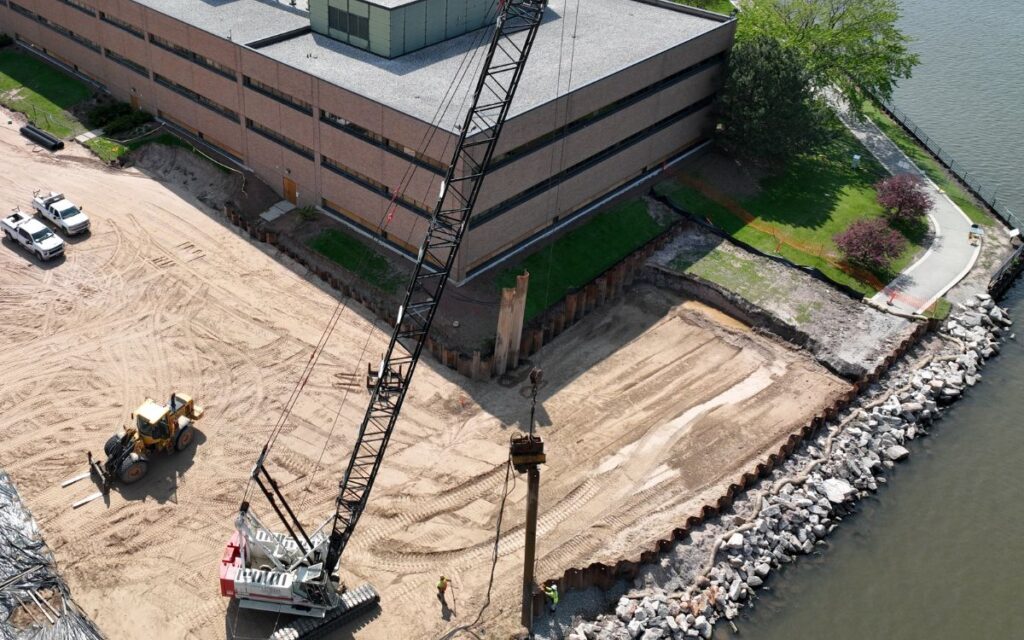
Marine services refer to construction and remediation activities performed in rivers, harbors, and waterfront environments. In-water soil mixing performed from barges, dredging, and in-water capping are common marine construction approaches.
environmental remediation
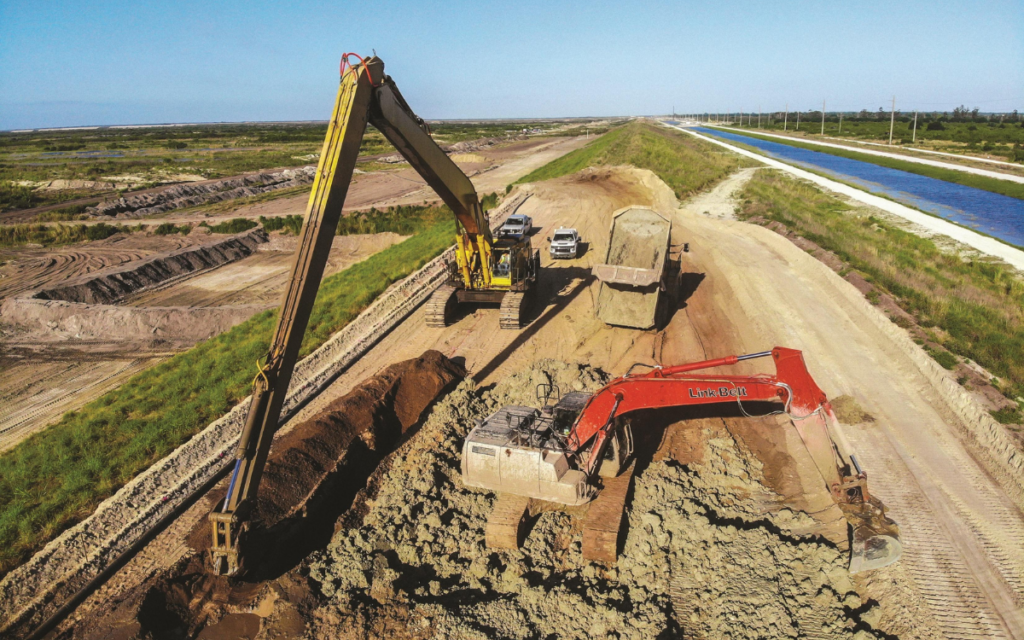
Environmental remediation refers to methods for isolating, stabilizing, and treating contaminated soil, sediment, and groundwater. In situ stabilization and solidification performed using soil mixing is a common environmental remediation approach.
preconstruction services
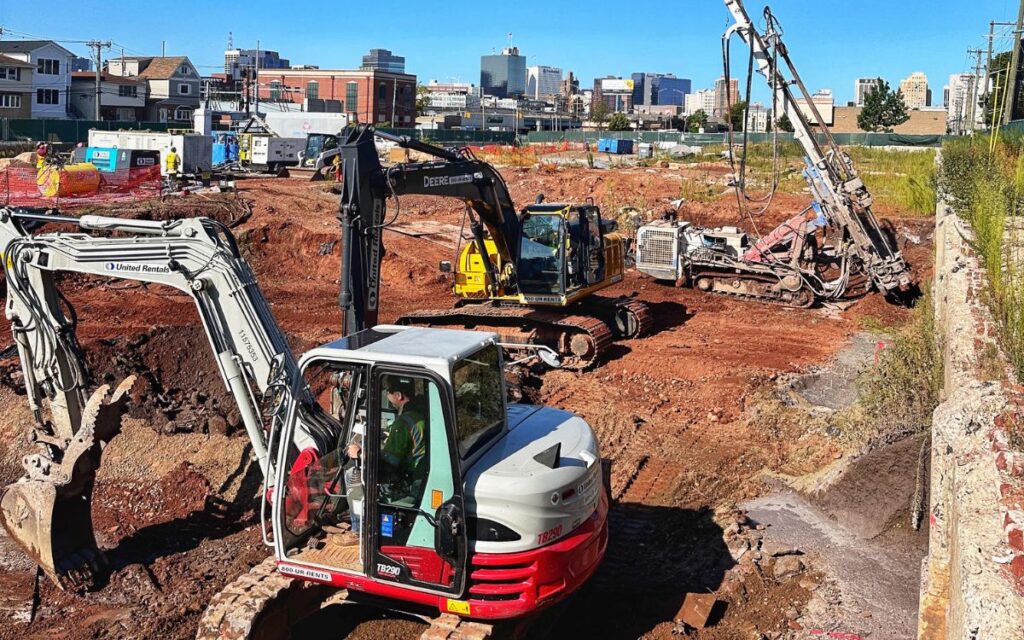
Preconstruction services refer to early‑stage contractor involvement to address constructability components to inform project planning. Bench scale studies, constructability reviews, and pilot programs are commonly used to support design and solution selection.
demolition
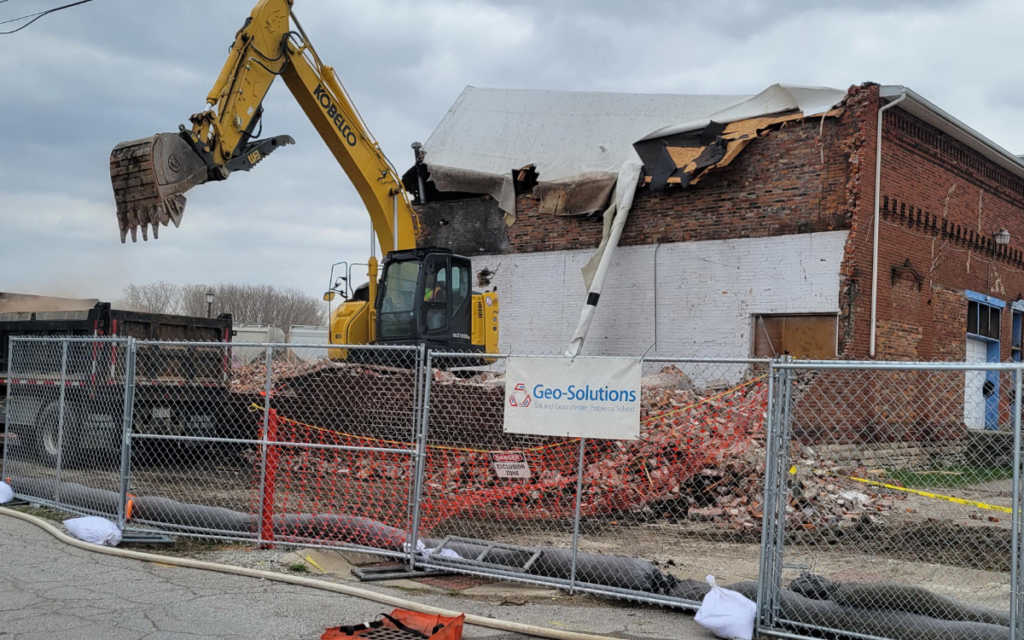
Demolition refers to the controlled removal of structures to support remediation or redevelopment. Mechanical demolition and selective dismantling are commonly used demolition methods.
remedial excavation
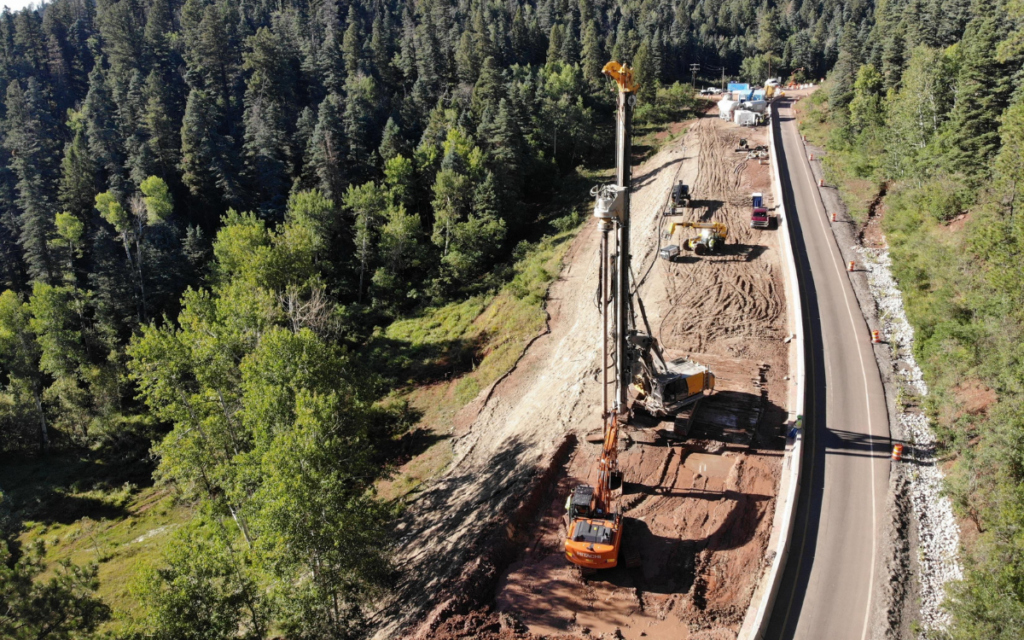
Remedial excavation refers to the targeted removal of contaminated or unsuitable soils. Excavation can be performed using conventional excavators or using large diameter augers (LDA).
habitat restoration
Habitat restoration refers to a variety of method to re-establish habitats damaged by contamination or other human impacts. Targeted dredging can help re-shape marine environments, wetland creation can re-establish natural filters, and in-water capping can protect aquatic environments from continued impacts due to contamination.