
Jet Grouting
High-pressure in-situ soil stabilization and cutoff technology
Overview of jet grouting
Jet grouting is a ground improvement and seepage control technique that creates soil–cement columns by using high‑pressure fluid jets to erode and mix in-situ soils with a cementitious grout. The process typically uses high pressure (up to 6,000 psi) fluid jets to break down the existing soil structure and blend it with the injected grout. The resulting mixture cures to form a solidified mass with improved strength and significantly reduced permeability.
Jet grouting systems are generally classified into single, double, and triple fluid configurations.
- Single – these systems use only a cement grout that serves as the cutting and mixing medium.
- Double – these systems use a combination of grout and a shroud of compressed air to enhance erosion and increase achievable column diameter.
- Triple – these systems use separate water and grout jets, along with compressed air, to maximize cutting efficiency and produce the largest column diameters.
Columns are constructed from the bottom up by withdrawing a rotating drill stem equipped with jetting nozzles installed on the drill rod that face laterally. The withdrawal rate, rotation speed, and jet characteristics are carefully controlled to achieve the desired column geometry and material properties.
Jet grouting is particularly suited to conditions where conventional ground improvement or grouting methods are impractical or impossible. It can be deployed in restricted access areas, around subsurface obstructions, or adjacent to sensitive utilities. Common applications include underpinning, excavation support, groundwater cutoff, and environmental containment.
key benefits
- Creates low-permeability, high-strength soil-cement columns in challenging ground conditions
- Adaptable to a wide range of soil types and site constraints
- Effective for underpinning and structural support in urban or congested areas
- Can be combined with soil mixing or slurry walls for continuous barriers in challenging locations
- Suitable for deep treatment and irregular geometries
applications
- Environmental Remediation: Formation of cutoff walls and containment barriers for contaminated sites
- Infrastructure Support: Underpinning foundations, stabilizing utilities, and improving subgrades for heavy loads
- Groundwater Control: Seepage barriers for dams, levees, and excavation support systems
- Geotechnical Improvement: Liquefaction mitigation and soil stabilization in variable ground conditions
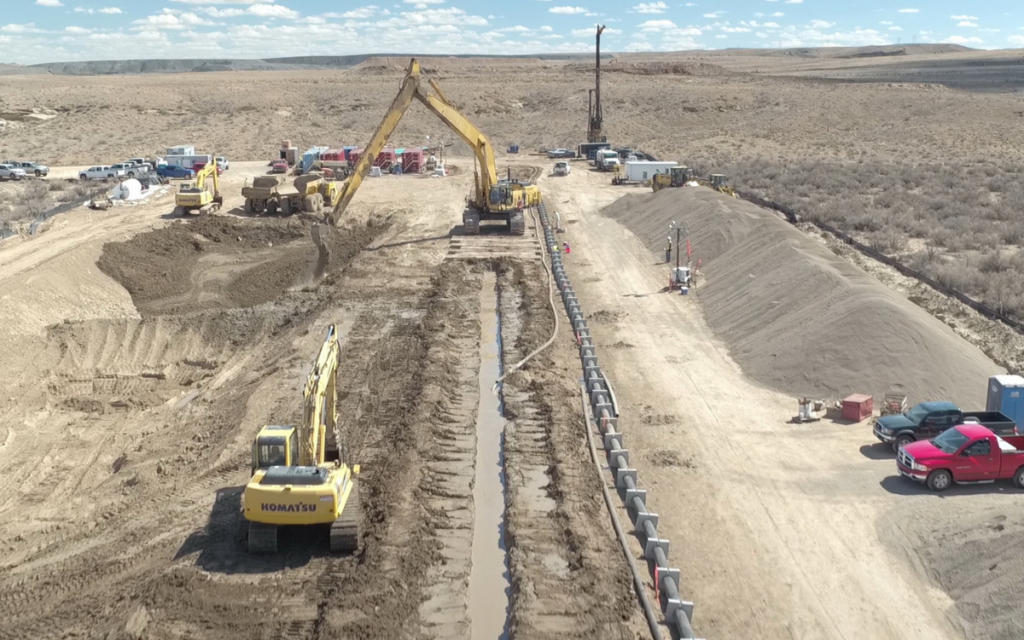
Groundwater Control
Groundwater control refers to methods that address seepage, hydraulic pressure, and subsurface water movement that affect excavation safety and structural performance. Cutoff walls and deep drains are common solutions used to manage groundwater in complex site conditions.
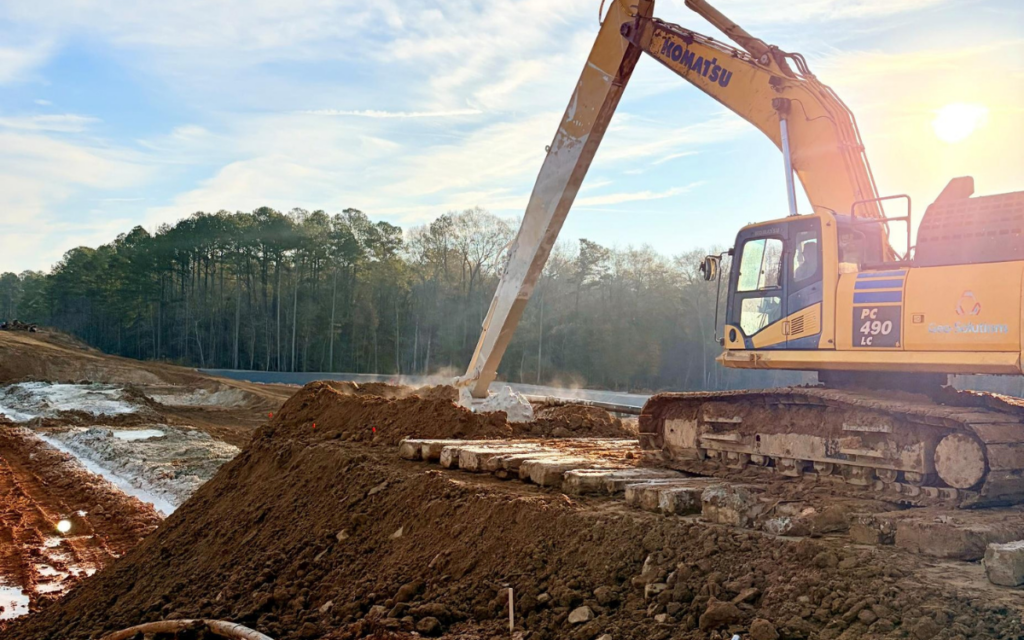
environmental remediation
Environmental remediation refers to methods for isolating, stabilizing, and treating contaminated soil, sediment, and groundwater. In situ stabilization and solidification performed using soil mixing is a common environmental remediation approach.
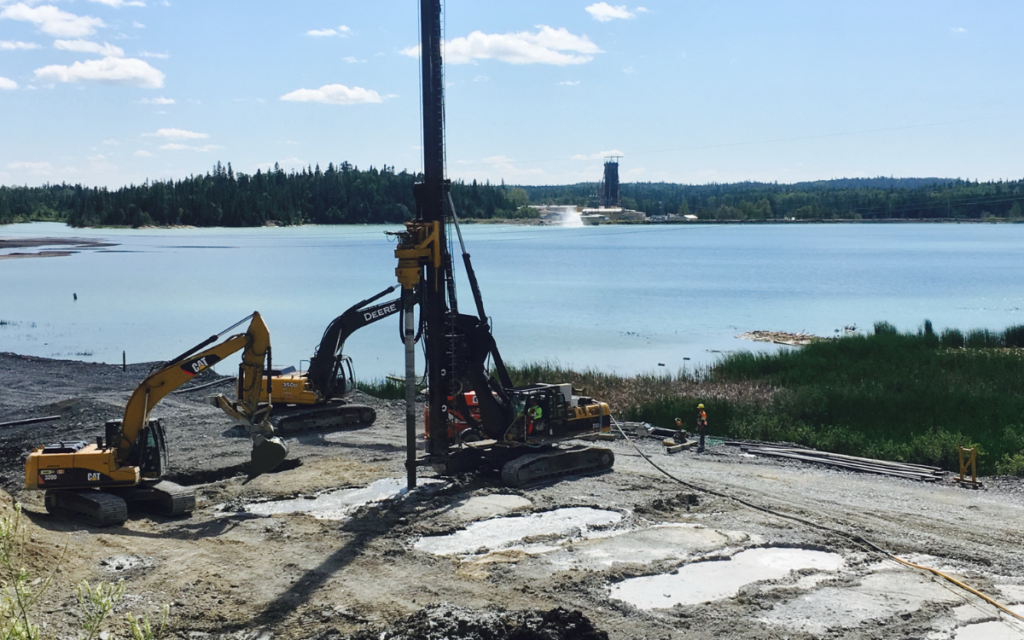
Ground improvement
Ground improvement refers to methods used to improve (often strengthen) weak, compressible, variable, or undesirable soils for specific performance enhancement. Soil mixing and rigid inclusions are common ground improvement solutions used to control settlement and improve subsurface behavior.
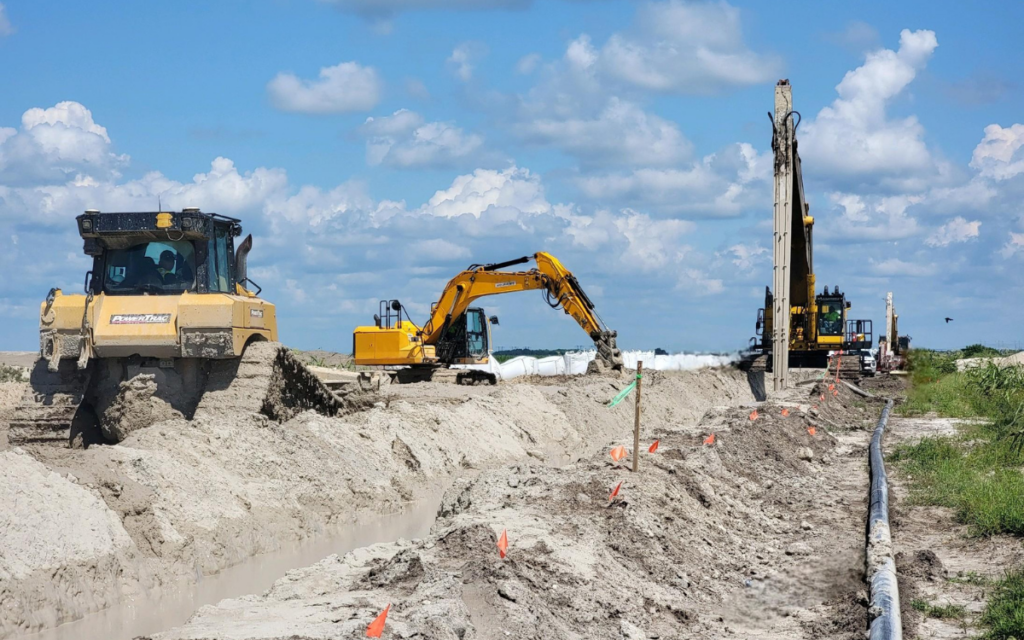
Cutoff walls
Cutoff walls are low permeability vertical elements installed in the subsurface to control horizontal groundwater flow and limit contaminant migration. Common technologies for installing cutoff walls include slurry trenching and soil mixing.
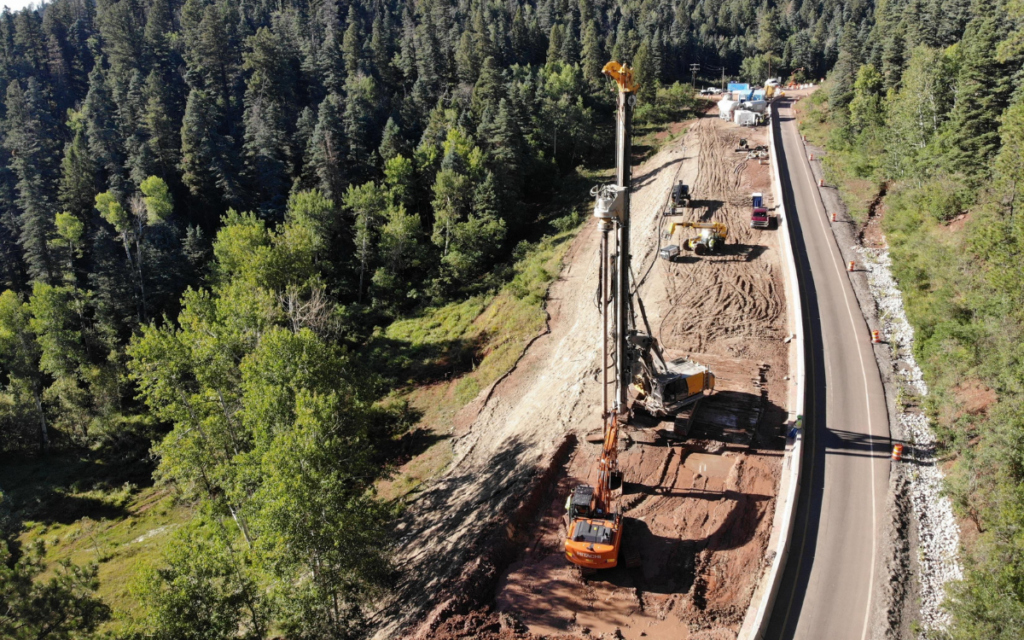
slope stability (Shear Walls)
Slope stability refers to methods used to resist lateral movement of slopes during loading or unloading, above and below the slope respectively. Shear walls installed via soil mixing are a common ground improvement system used for slope stabilization.
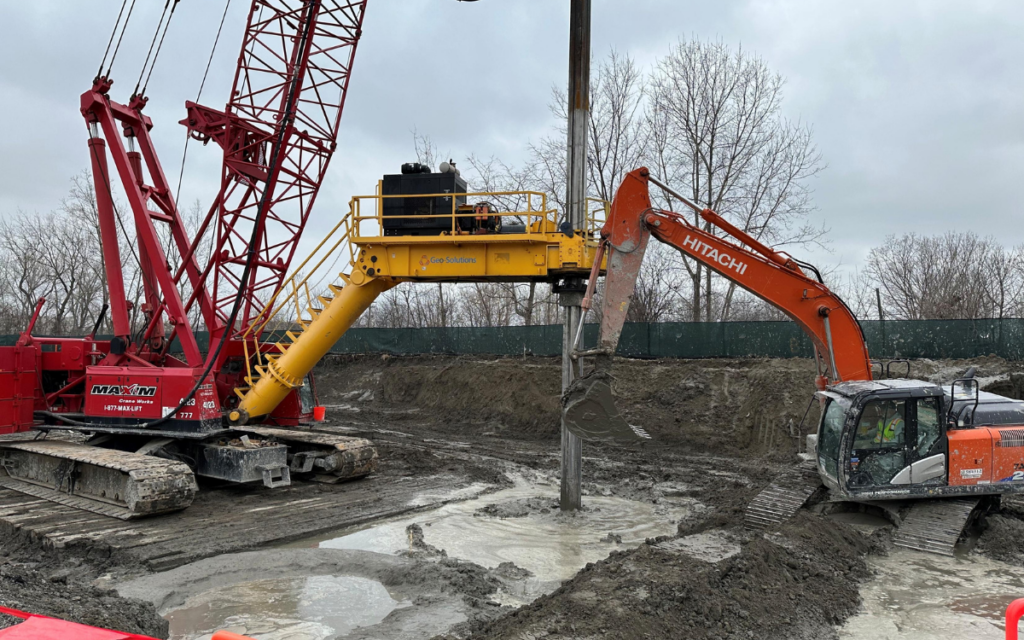
stabilization / solidification
Stabilization and solidification refer to methods of reducing contaminant immobility by either chemically binding the contaminant or by locking the contaminant in a low-permeability monolith. In environmental remediation, this is often accomplished in-place via soil mixing and referred to as in situ stabilization / solidification (ISS).