
Auger Excavation (LDA)
Precision excavation for deep foundations and structural support
Overview Auger Excavation (LDA)
Auger excavation is a mechanical method that uses a rotating helical auger on a drill rig to remove soil in a controlled manner. The method is also known as large diameter auger (LDA) excavation. It is commonly applied for targeted excavations where conventional open-cut methods are impractical or where minimal disturbance to surrounding ground is required. Once the soil is removed, the hole can be backfilled with granular materials, flowable fill, or even concrete.
This technique is often used in conjunction with other geotechnical construction methods, such as soil mixing or grouting, to improve ground stability or form structural elements. Auger excavation can be adapted for various soil conditions and depths, making it suitable for both temporary and permanent works.
key benefits
- Enables precise excavation with minimal disturbance to surrounding structures
- Reduces vibration and noise compared to driven methods
- Similar equipment to soil mixing so can be used alongside ISS projects
- Adaptable to restricted access or urban sites
- Supports deep foundation and structural support applications
Applications
- Foundations and Shoring: Installation methods are similar to installation of auger cast piles and drilled shafts for structural support
- Excavation Support: Construction of overlapping soil-mixed columns for retaining systems
- Mass excavation: Can be used to remove large volumes of soil when other excavation methods are not suitable.
- Environmental Remediation: Controlled excavation for removal of impacted soils or installation of cutoff barriers
- Infrastructure Projects: Bridge foundations, retaining walls, and utility support in constrained conditions
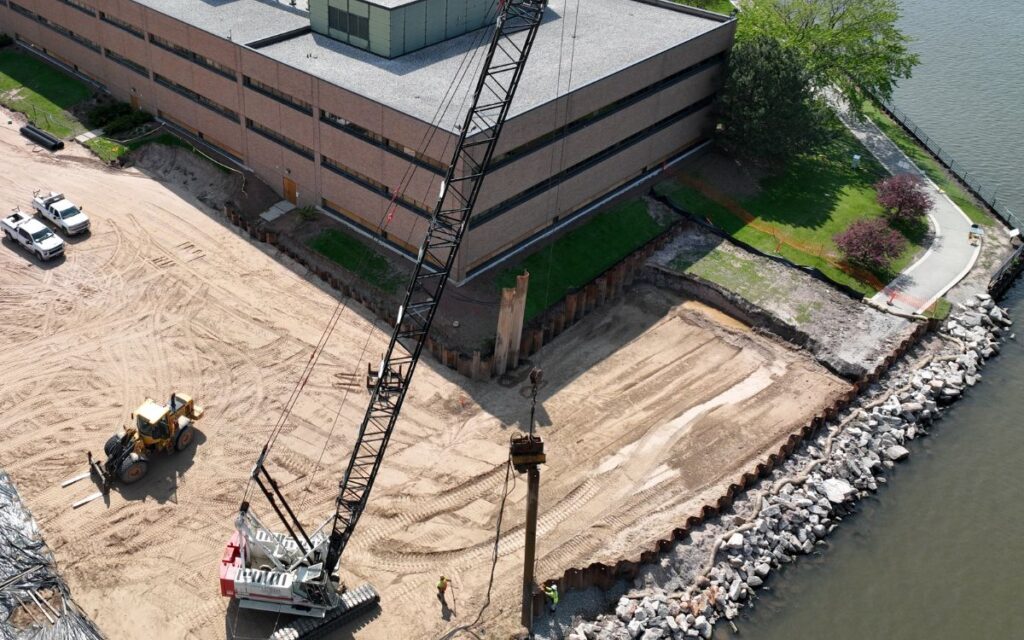
Foundations & Shoring
Foundations and shoring refer to systems used to support excavations and structures in difficult ground or groundwater conditions with elements that do not rely heavily on the soil. Auger cast piles are a common deep foundation technology and secant pile walls are a common earth retention technology.
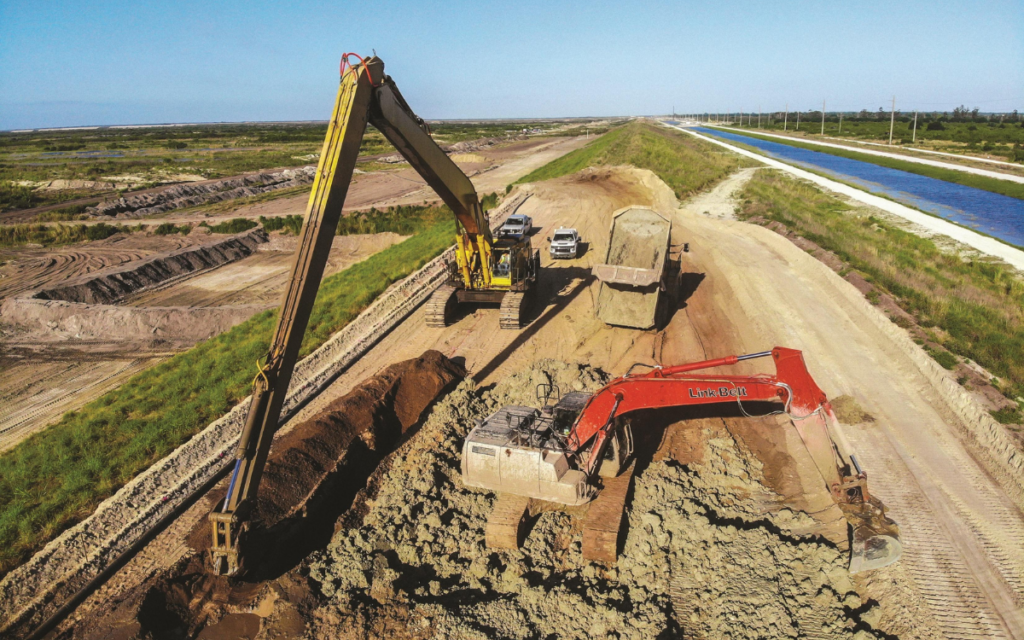
environmental remediation
Environmental remediation refers to methods for isolating, stabilizing, and treating contaminated soil, sediment, and groundwater. In situ stabilization and solidification performed using soil mixing is a common environmental remediation approach.
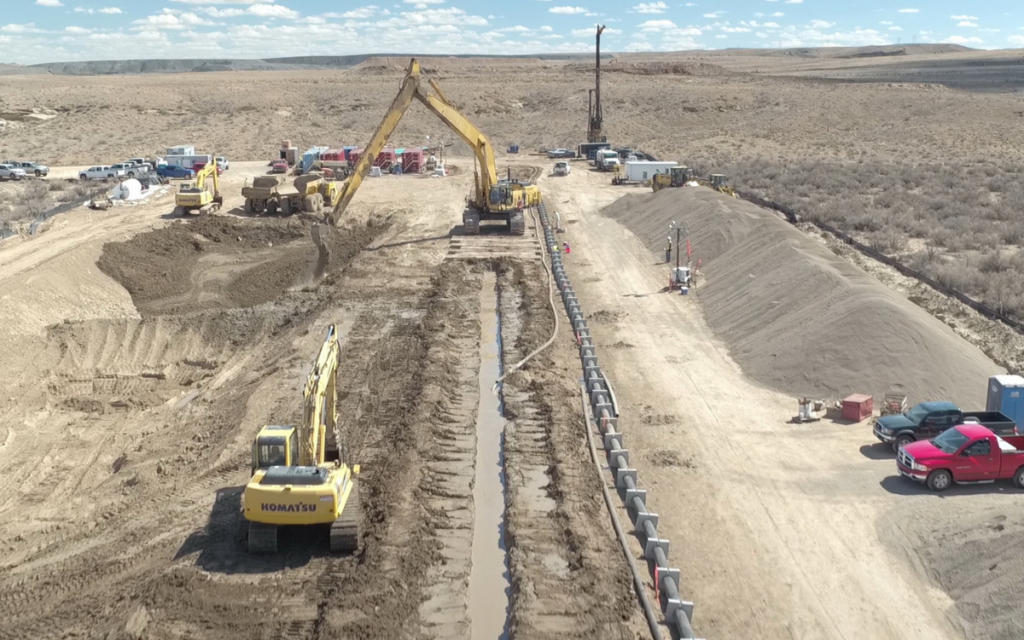
Groundwater Control
Groundwater control refers to methods that address seepage, hydraulic pressure, and subsurface water movement that affect excavation safety and structural performance. Cutoff walls and deep drains are common solutions used to manage groundwater in complex site conditions.
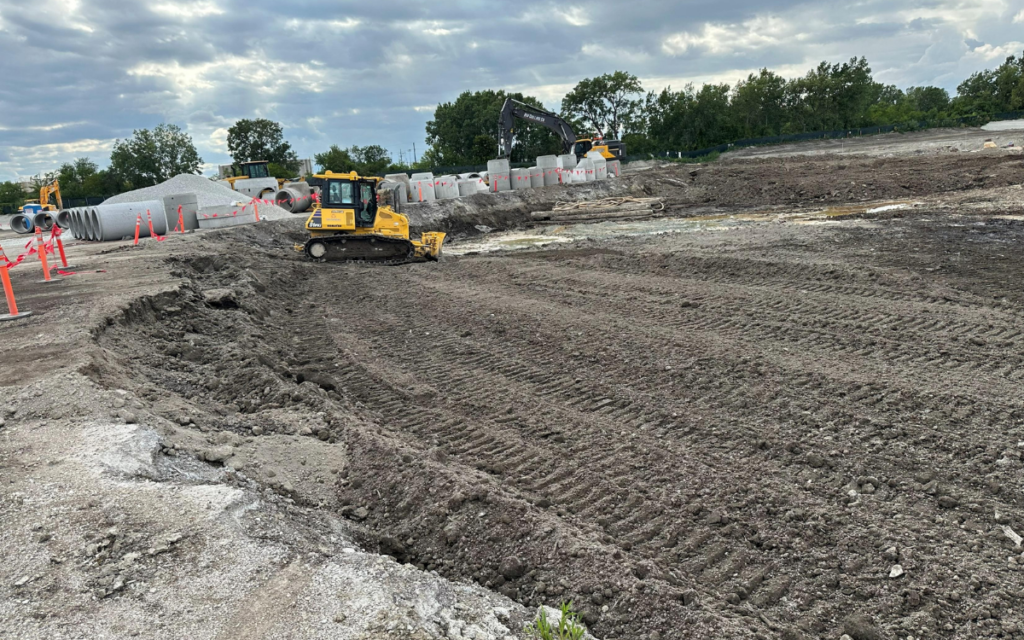
Excavation & Removal
Excavation and removal refer to methods used to physically remove contaminated or unsuitable soil and sediment from a site. Targeted excavation followed by off‑site disposal or treatment is a common excavation and removal approach.
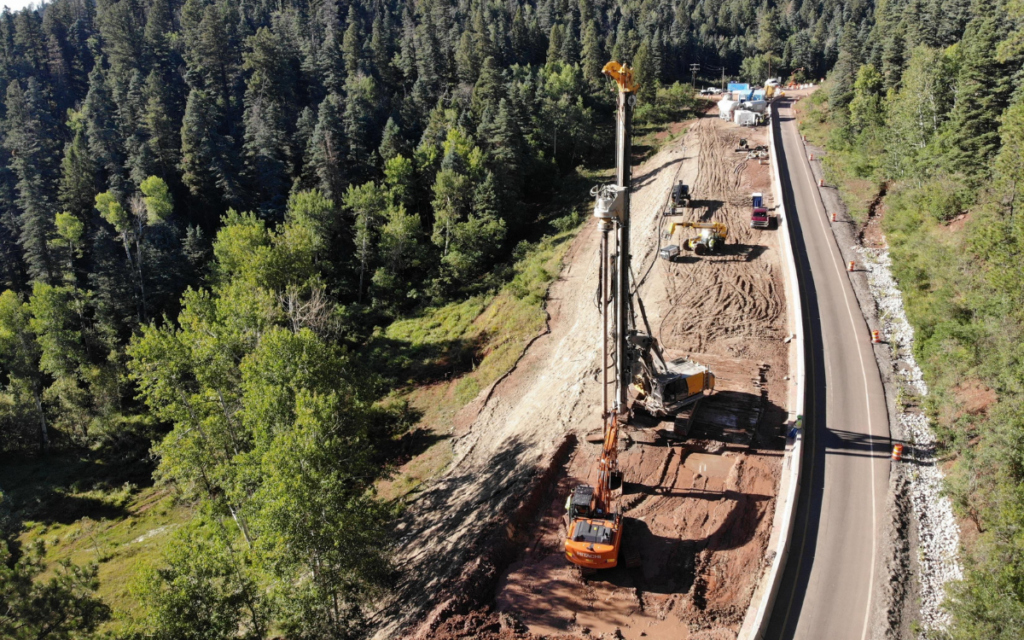
Habitat Restoration
Habitat restoration refers to a variety of method to re-establish habitats damaged by contamination or other human impacts. Targeted dredging can help re-shape marine environments, wetland creation can re-establish natural filters, and in-water capping can protect aquatic environments from continued impacts due to contamination.
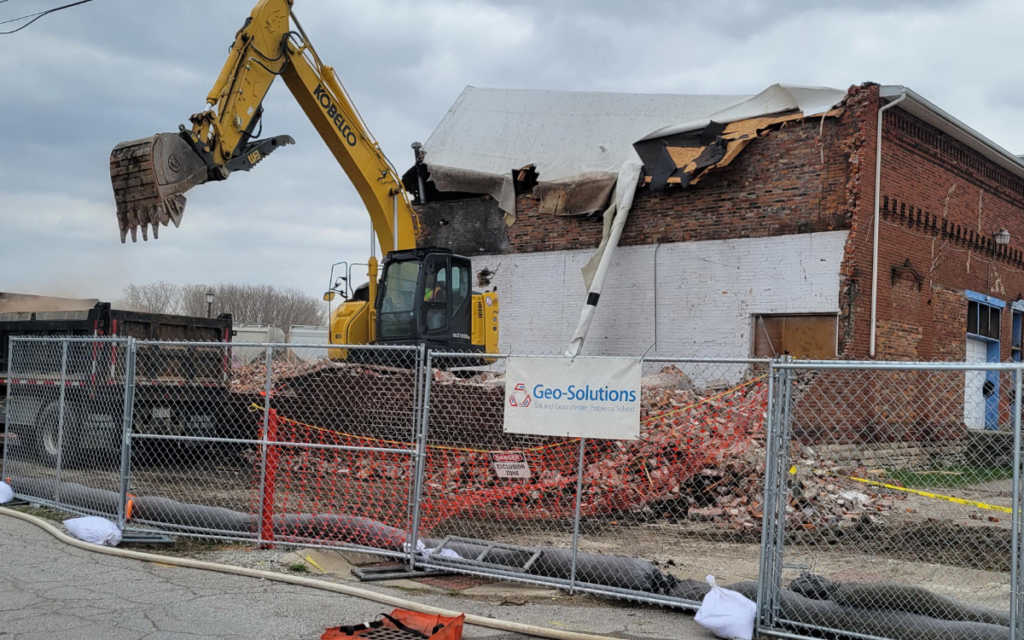
Demolition
Demolition refers to the controlled removal of structures to support remediation or redevelopment. Mechanical demolition and selective dismantling are commonly used demolition methods.