
stabilization & solidification
Advanced soil mixing technologies for environmental remediation and geotechnical improvement.
Overview of stabilization & solidification
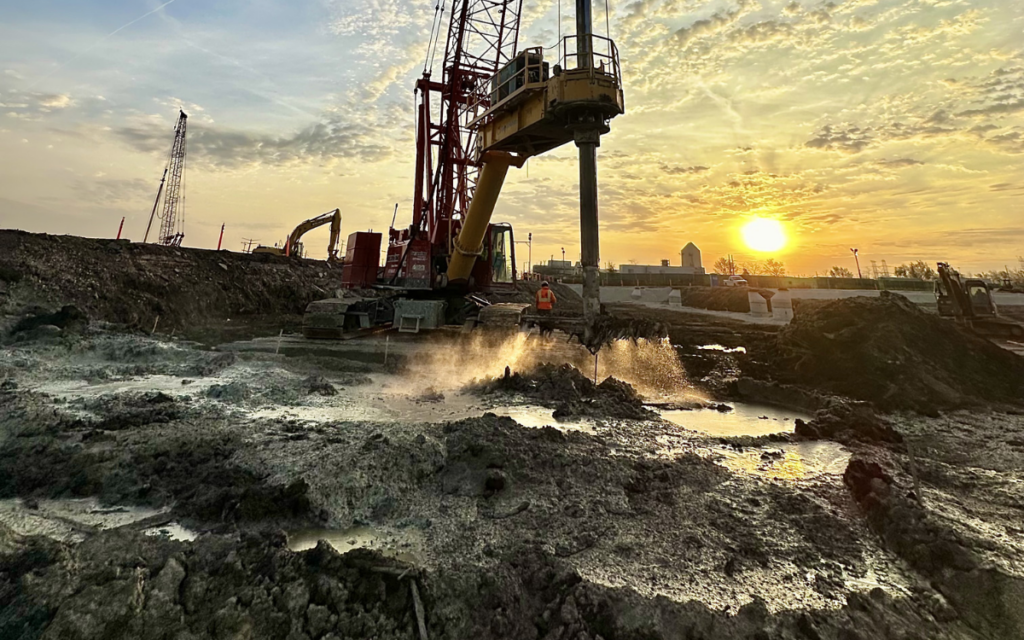
In Situ Stabilization/Solidification (ISS) is a ground improvement and remediation technique that mixes reagents directly into the soil using mechanical mixing methods to create a soil–reagent composite with enhanced properties. ISS was primarily developed in the U.S. in the late 1980s / early 1990s by principals of Geo Solutions and predecessor companies and has since grown rapidly across the environmental remediation markets.
The process uses augers, rotary tools, or excavator based mixing systems to blend soil with cementitious and sometimes other chemical additives. Most mixes include portland cement and many also include other reagents like blast furnace slag, fly ash, cement kiln dust, or bentonite. The goal is to produce a homogeneous composite with higher strength, reduced permeability, and/or lower leachability.
ISS is widely applied for hazardous waste stabilization, soil improvement, and treatment of sediments or sludge. Its versatility, cost efficiency, and deep depth capabilities make it a preferred method for remediation.
key benefits
- In addition to the environmental enhancement, the method improves soil strength and stiffness to meet geotechnical design requirements while reducing settlement and liquefaction potential.
- Decreases permeability and leachability, creating long term containment for metals, organics, and other industrial contaminants.
- Compatible with a wide range of reagents, including cement, slag, fly ash, CKD, bentonite, and specialized chemical oxidants/reductants.
- Cost effective alternative to excavation, reducing trucking, dewatering, disposal costs, and site restoration requirements.
- Flexible application methods available for shallow, deep, or difficult access sites using auger mixing, bucket mixing, or specialized rotary tools.
- Effective for structurally weak soils and soft sediments, including areas where traditional excavation is unsafe or impractical.
applications
- Environmental Remediation: Treatment of contaminated soils, sludge, and sediments; immobilization of metals, SVOCs, PCBs, and other impactscontaminants.
- Hazardous Waste Management: ISS/S/S applied for RCRA impacted materials, sludge stabilization, industrial waste immobilization, and lagoon treatment.
- Geotechnical Improvement (added to environmental enhancement): Soil strengthening, liquefaction mitigation, and ground stability enhancement for infrastructure and embankments.
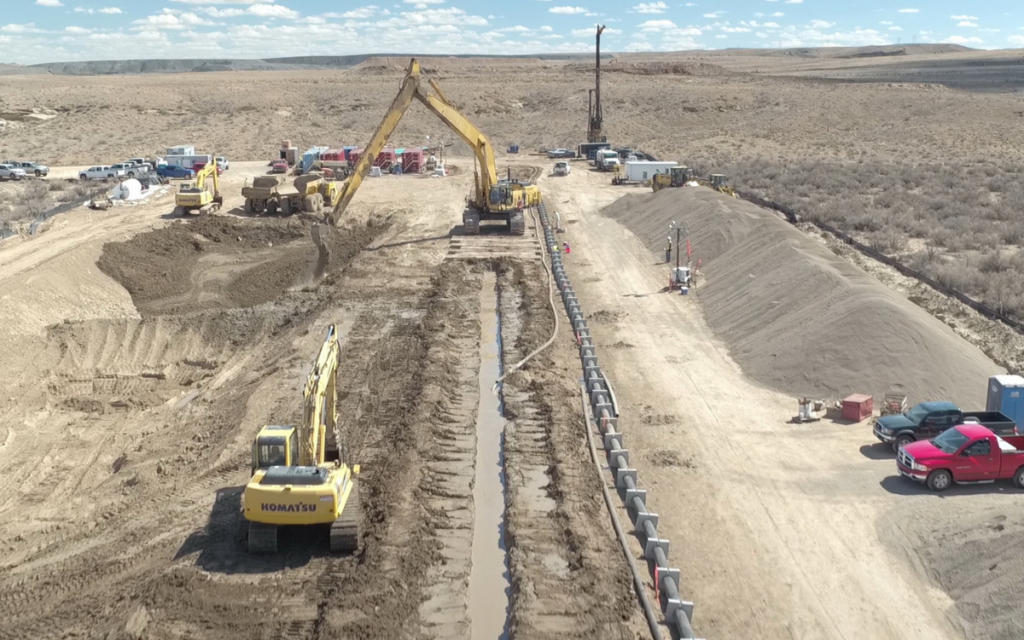
Groundwater Control
Groundwater control refers to methods that address seepage, hydraulic pressure, and subsurface water movement that affect excavation safety and structural performance. Cutoff walls and deep drains are common solutions used to manage groundwater in complex site conditions.
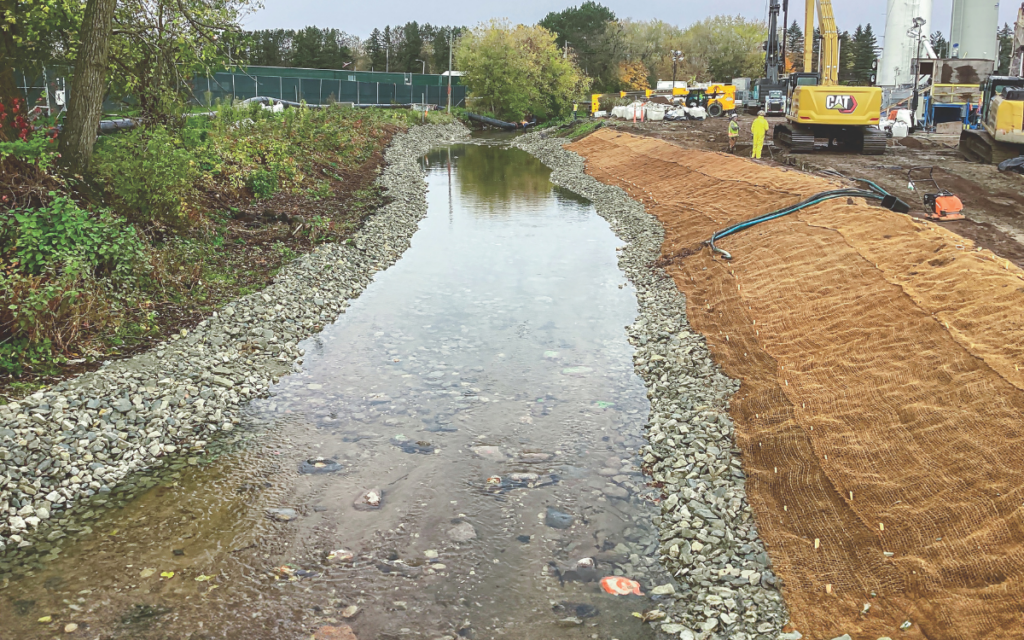
environmental remediation
Environmental remediation refers to methods for isolating, stabilizing, and treating contaminated soil, sediment, and groundwater. In situ stabilization and solidification performed using soil mixing is a common environmental remediation approach.
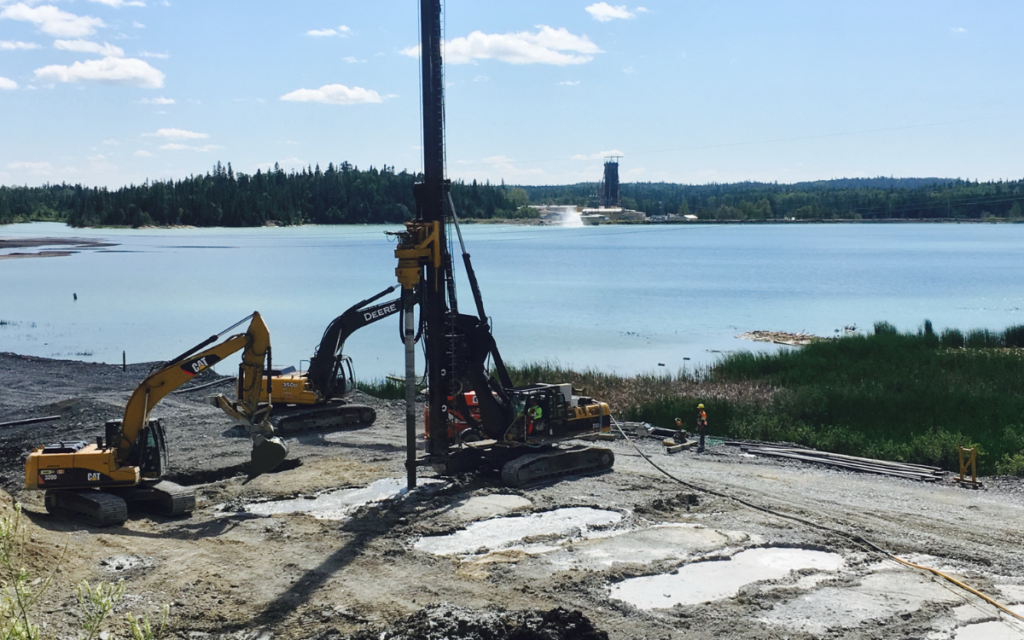
Ground improvement
Ground improvement refers to methods used to improve (often strengthen) weak, compressible, variable, or undesirable soils for specific performance enhancement. Soil mixing and rigid inclusions are common ground improvement solutions used to control settlement and improve subsurface behavior.
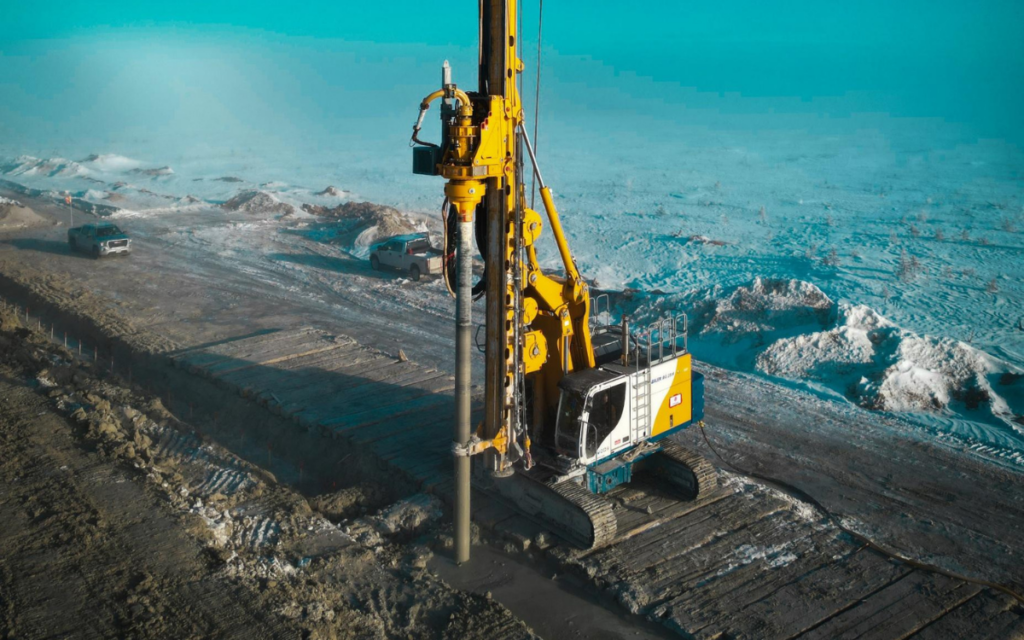
soil mixing
Soil mixing refers to various methods used to blend in situ soils with reagents to improve the soil properties relative to the soils alone. Soil mixing can be used to solve a variety of geotechnical and environmental problems.
jet grouting
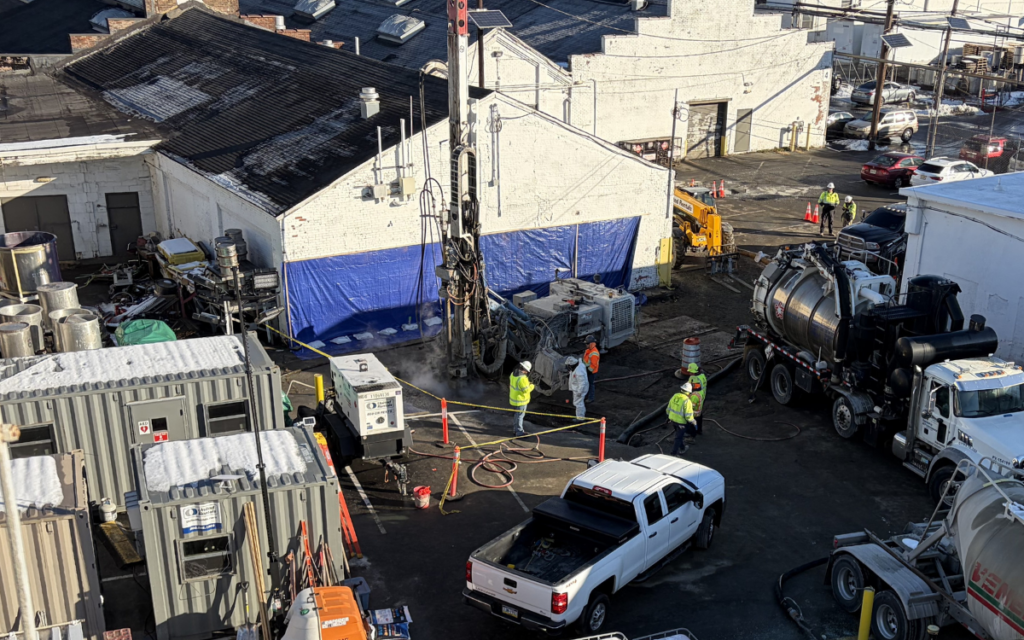
Jet grouting is a blend of grouting and soil mixing where the soils are mixed with a grout using a high‑pressure fluid stream to create soil‑cement columns or panels. Jet grouting is a great tool for accomplishing stabilization or solidification in tight access areas, when discrete vertical treatment is required, or where there are subsurface or overhead utilities.
In-Water Soil Mixing
In‑water soil mixing refers to soil mixing performed on soils or sediments in place beneath a water column. Barge‑mounted soil mixing equipment is commonly used for in‑water soil mixing.