
Soil Mixing
In-situ and ex-situ soil treatment for geotechnical and environmental solutions
Overview of soil mixing
Soil mixing is a ground improvement and remediation technique used to blend soil with cementitious or chemical reagents to create a mass with improved properties relative to the soils alone. It can be performed in-situ or ex-situ, depending on site conditions and project requirements. The process uses specialized equipment such as augers, rotary tools, or chain mixers to ensure the soil and reagents are well mixed.
Geo-Solutions applies soil mixing to accomplish both environmental and geotechnical objectives. Environmental applications include in-situ solidification/stabilization (ISS), in-situ chemical oxidation (ISCO), in-situ chemical reduction (ISCR), and steam enhanced extraction to treat contaminated soils and groundwater. Geotechnical uses include improving bearing capacity, reducing liquefaction potential, and enhancing slope stability. Soil mixing can be implemented at shallow depths (approximately 2 to 20 feet) or deep depths (up to 100 feet), using methods such as single or multi-auger mixing, excavator bucket mixing, and chain trenching.
This technique is widely recognized as a cost-effective alternative to excavation and disposal. It minimizes material handling, reduces environmental impact, and provides structural improvement in challenging soil conditions.
key benefits
- Improves soil strength and bearing capacity
- Reduces permeability for contaminant containment
- Enables in-situ treatment, minimizing excavation and disposal costs
- Applicable to both shallow and deep soil conditions
- Compatible with multiple chemical treatment options (ISS, ISCO, ISCR)
applications
- Environmental Remediation: In-situ stabilization of contaminated soils and groundwater treatment
- Geotechnical Construction: Settlement control, slope stability, and excavation support systems
- Infrastructure Projects: Ground improvement for foundations, levees, and embankments
- Barrier Walls: Hydraulic and contaminant control in geoenvironmental projects
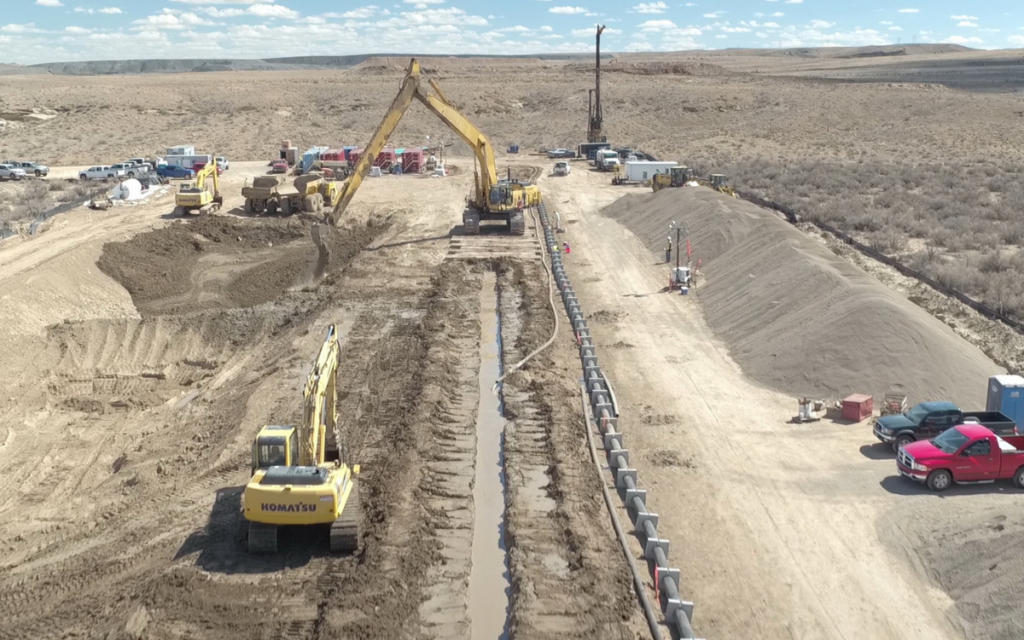
Groundwater Control
Groundwater control refers to methods that address seepage, hydraulic pressure, and subsurface water movement that affect excavation safety and structural performance. Cutoff walls and deep drains are common solutions used to manage groundwater in complex site conditions.
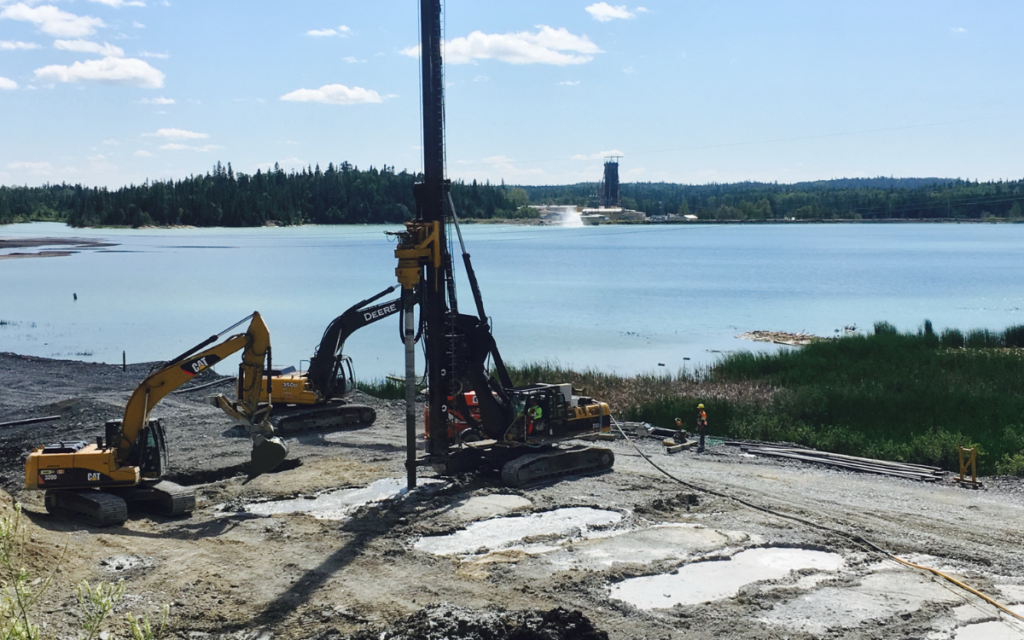
Ground Improvement
Ground improvement refers to methods used to improve (often strengthen) weak, compressible, variable, or undesirable soils for specific performance enhancement. Soil mixing and rigid inclusions are common ground improvement solutions used to control settlement and improve subsurface behavior.
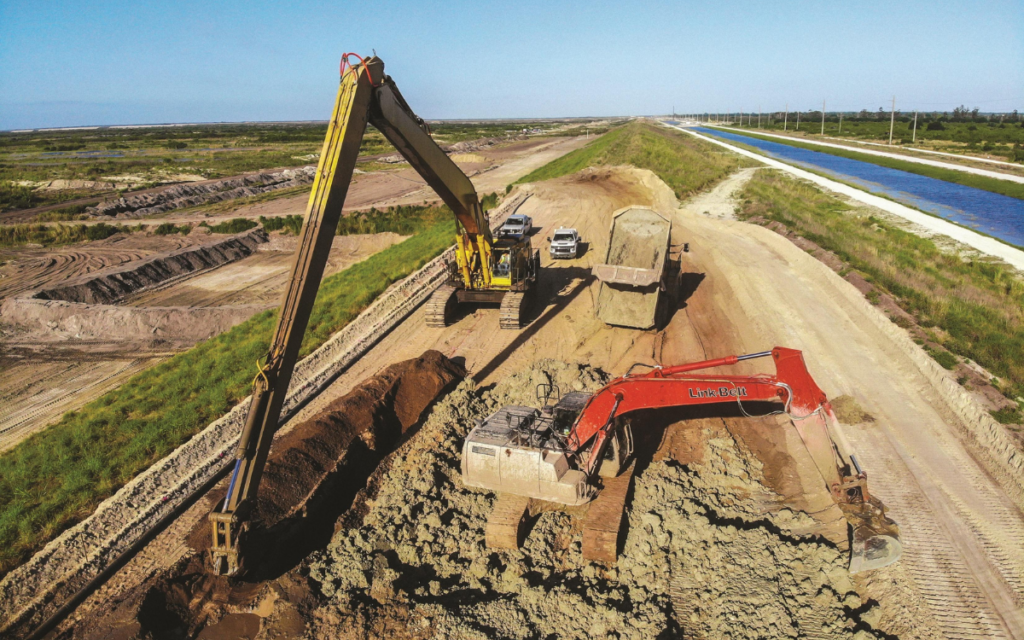
Environmental Remediation
Environmental remediation refers to methods for isolating, stabilizing, and treating contaminated soil, sediment, and groundwater. In situ stabilization and solidification performed using soil mixing is a common environmental remediation approach.
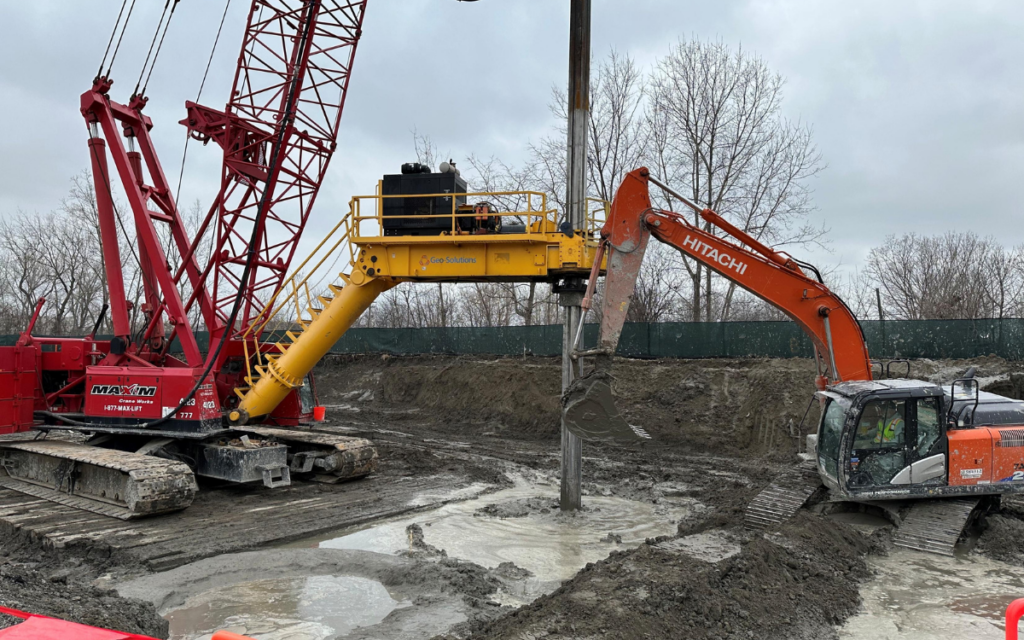
stablilization / solidification
Stabilization and solidification refer to methods of reducing contaminant immobility by either chemically binding the contaminant or by locking the contaminant in a low-permeability monolith. In environmental remediation, this is often accomplished in-place via soil mixing and referred to as in situ stabilization / solidification (ISS).
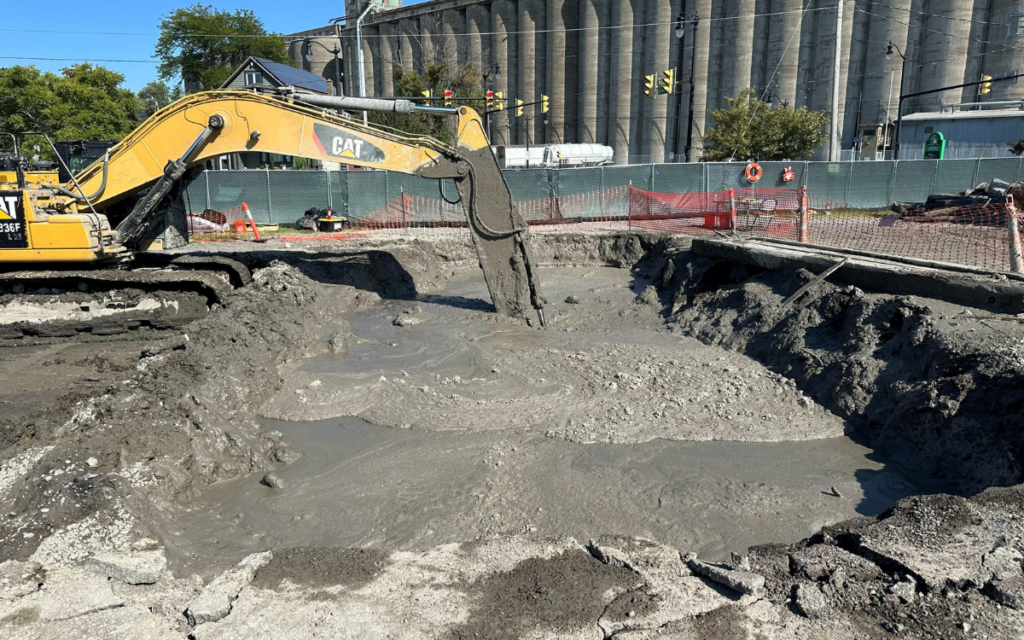
In-Situ Treatment
In situ treatment refers to methods that treat contaminated soils directly in place without excavation or stabilization / solidification. Soil mixing performed with oxidants (ISCO) or reducing agents (ISCR) are common forms of in situ treatment.
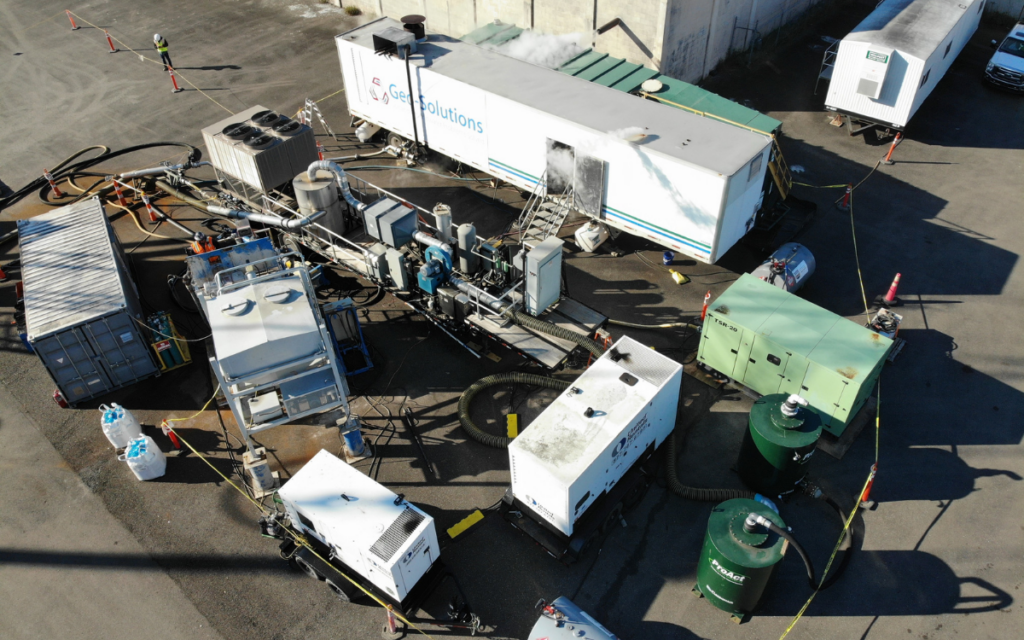
Steam Enhanced Extraction
Steam enhanced extraction refers to thermal treatment methods used to remove volatile and semi‑volatile contaminants from soil. Steam injection through a soil mixing tool combined with vapor extraction makes for a very effective steam enhanced extraction technique that is less sensitive to soil type than other approaches.
soil mixing
Case Studies
Our soil mixing case studies demonstrate our ability to design and implement effective solutions for a range of projects. Take a look at some of our notable successes.