
permeable reactive barriers
Passive in situ groundwater treatment systems for long term remediation and plume control.
Overview of permeable reactive barriers
Permeable Reactive Barriers (PRBs) are passive, in situ groundwater remediation systems designed to treat contaminated groundwater as it flows through a subsurface treatment zone. PRBs are constructed as permeable walls installed perpendicular to groundwater flow, allowing contaminants to be treated without pumping or ongoing mechanical operation. Reactive media within the barrier chemically, physically, or biologically treats contaminants before groundwater exits the system.
Geo Solutions is a leading installer of PRB walls, which are a specialized type of slurry wall construction. PRBs may be installed using biopolymer slurry trenching, shallow soil mixing, or conventional open cut excavation, allowing installation at depths of 70 feet or more under high groundwater conditions and in a wide range of geologic settings.
PRBs are frequently used as standalone remedial systems or integrated with low permeability vertical barriers to form funnel and gate systems, directing contaminated groundwater through the reactive media for treatment. Common reactive materials include zero valent iron (ZVI), activated carbon, peat moss, and other customized amendments selected based on site specific contaminants.
Key Benefits
- Passive groundwater treatment with no ongoing energy or pumping requirements
- Effective for a wide range of contaminants, including chlorinated VOCs and dissolved metals
- Long term, proven remediation technology with decades of successful performance
- Installable at significant depths using specialized trenching and slurry wall methods
- Minimal surface disruption compared to active treatment systems
- Compatible with containment walls and groundwater control systems
Applications
- Environmental Remediation: Treatment of chlorinated solvent plumes, hydrocarbons, and dissolved metals
- Groundwater Plumes: Interception and treatment along plume migration pathways
- Funnel & Gate Systems: Directed groundwater flow through reactive treatment zones
- Landfills & Waste Sites: Control and treatment of impacted groundwater
- Infrastructure & Utility Corridors: Remediation where access and disturbance must be minimized
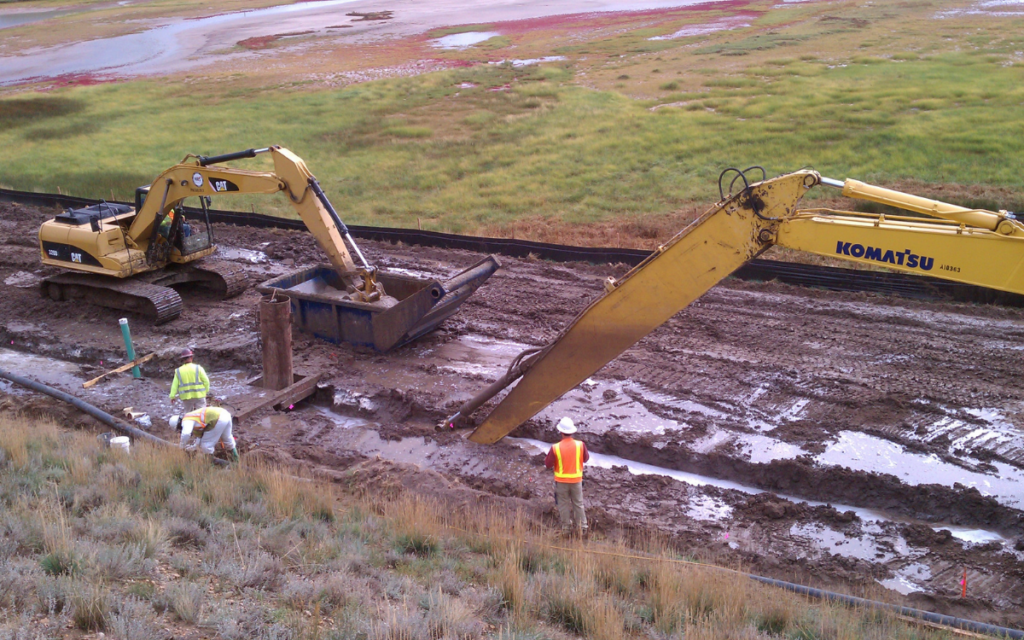
polymer trenching
Polymer trenching refers to trench excavations supported by polymer slurries. Polymer slurries are most commonly used when the resulting trench needs to have a high permeability as opposed to low permeability cutoff walls which are often installed using bentonite slurries.
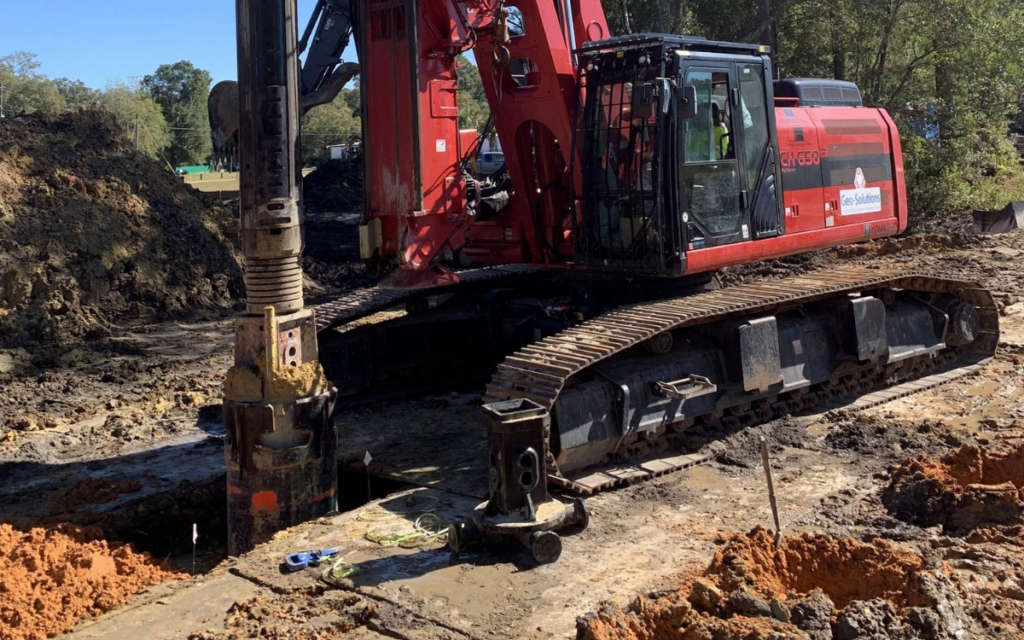
auger excavation (LDA)
Large‑diameter auger excavation refers to a controlled excavation method using oversized augers. LDA systems are commonly used where access is limited preventing the use of a more conventional excavation approach.
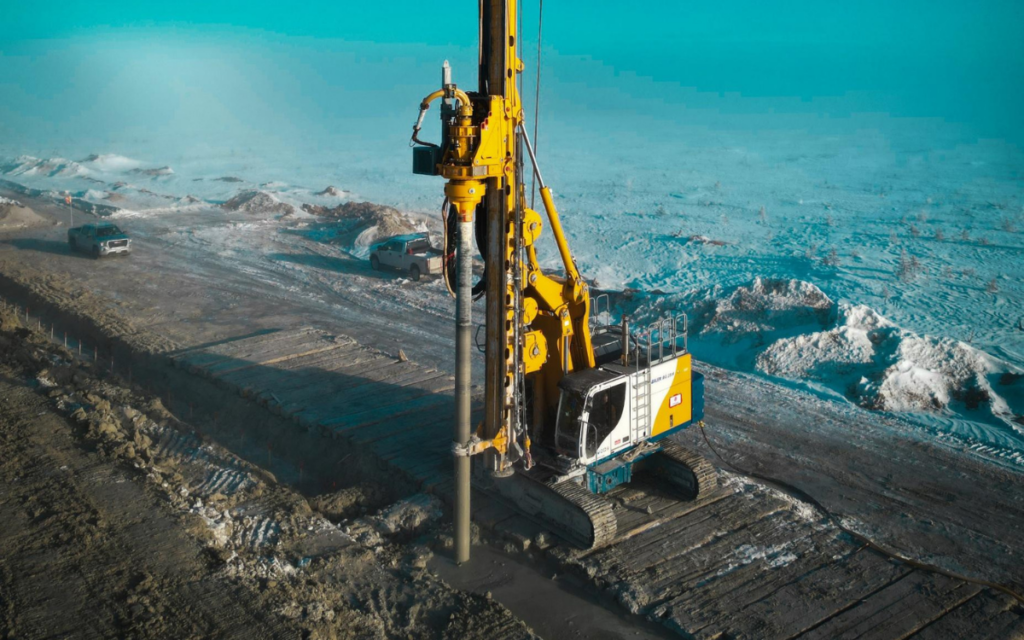
soil mixing
Soil mixing refers to various methods used to blend in situ soils with reagents to improve the soil properties relative to the soils alone. Soil mixing can be used to solve a variety of geotechnical and environmental problems.
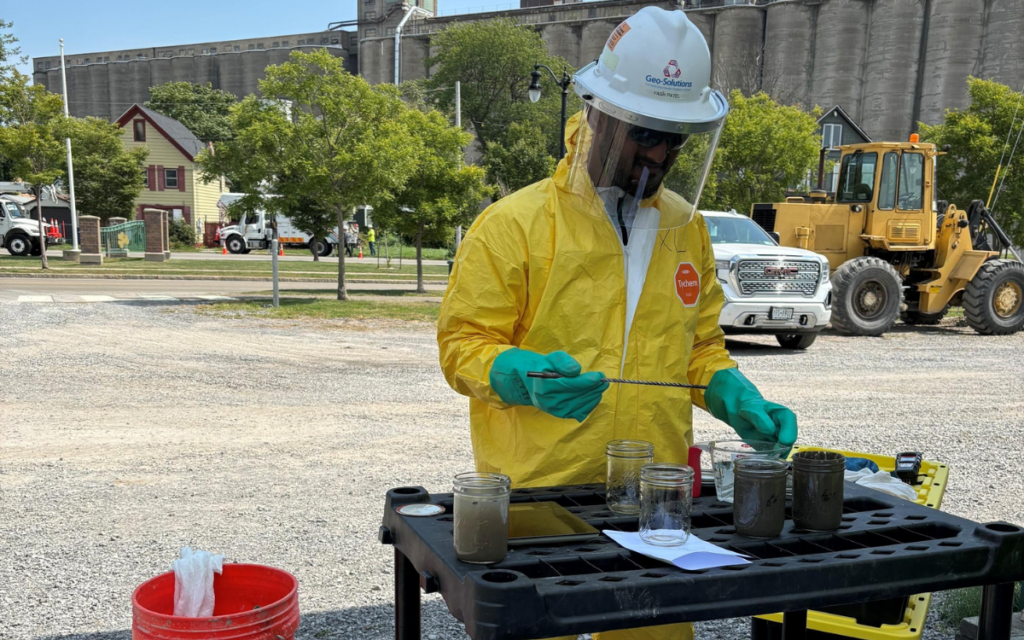
preconstruction services
Preconstruction services refer to early‑stage contractor involvement to address constructability components to inform project planning. Bench scale studies, constructability reviews, and pilot programs are commonly used to support design and solution selection.
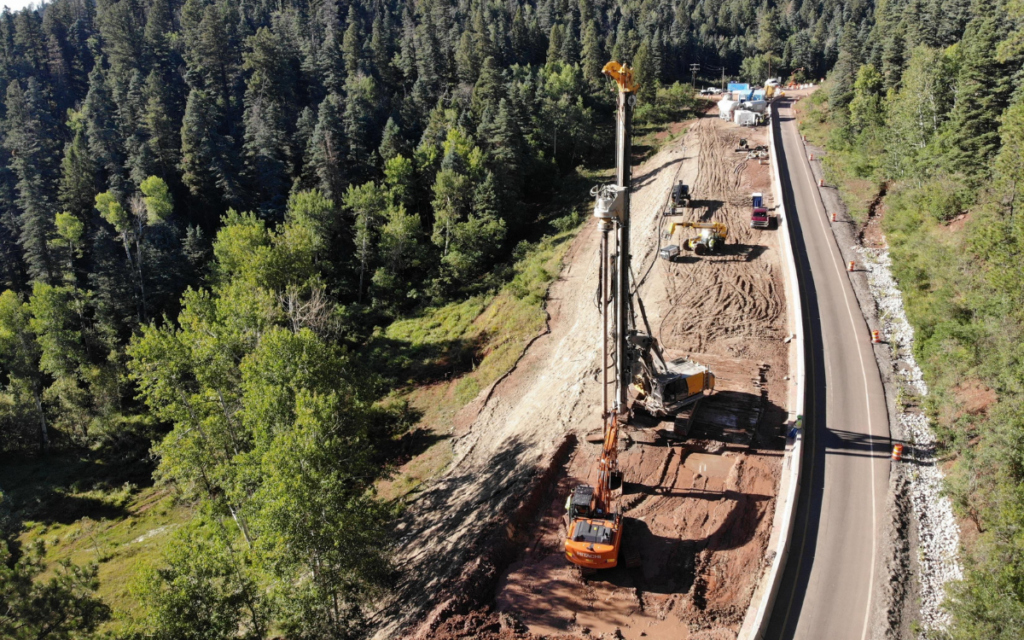
environmental remediation
Environmental remediation refers to methods for isolating, stabilizing, and treating contaminated soil, sediment, and groundwater. In situ stabilization and solidification performed using soil mixing is a common environmental remediation approach.
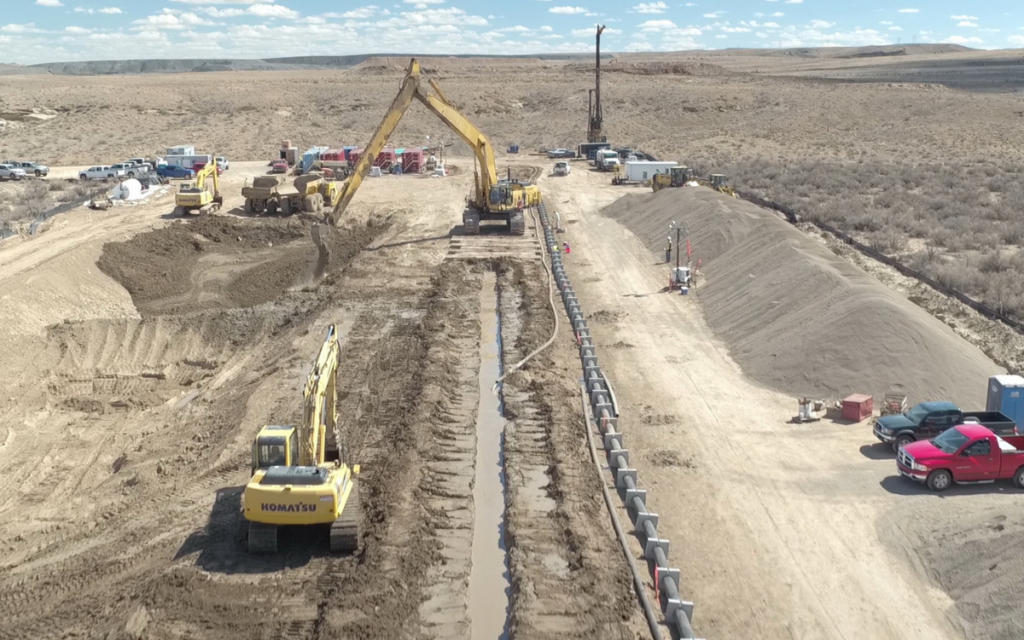
groundwater control
Groundwater control refers to methods that address seepage, hydraulic pressure, and subsurface water movement that affect excavation safety and structural performance. Cutoff walls and deep drains are common solutions used to manage groundwater in complex site conditions.