
Ground improvement
Enhancement of existing soils to improve geotechnical properties, such as bearing capacity, settlement, and liquefaction.
Overview of ground improvement
Ground Improvement can be used to refer to a variety of construction techniques designed to solve problems using the existing in-situ soils as a component of the solution. Common issues addressed via ground improvement include weak bearing capacity, excessive settlement, liquefaction potential, slope instability, and poor drainage. Ground improvement can be accomplished through rearranging the soil particles, controlling, or removing the groundwater, adding binding/stabilizing reagents to the soil, and/or stiffening the soil mass through incorporation of rigid elements to create a soil-element system. Regardless of technique, the primary goal is the same: to modify inadequate soils into a stable and reliable subsurface composite.
Beyond improving the soil, ground improvement also helps optimize construction costs and reduce environmental impact. By upgrading the existing ground rather than replacing it, projects can minimize excavation, reduce the need for imported materials, and accelerate construction timelines. Modern ground improvement techniques are highly adaptable, allowing engineers to tailor solutions to challenging conditions such as soft clays, loose sands, or contaminated sites. As infrastructure demands grow and construction increasingly occurs on marginal land, ground improvement continues to play a crucial role in safe and sustainable development.
Key Benefits
- Improves soil properties to increase load-bearing capacity, reduce settlement, enhance slope stability, and/or reduce liquefaction potential
- Enables construction on challenging or marginal soil conditions
- Provides a cost-effective and sustainable alternative to deep foundations or replacement
- Highly adaptable to most soil and site conditions
- Supports safe, efficient, and cost-effective construction
Applications
- Building foundations for commercial, industrial, and residential projects
- Transportation infrastructure, including roads, bridges, and embankments
- Slope stabilization and ground reinforcement for cut and fill areas
- Earth retention and shoring support systems
- Environmental and waterfront projects requiring improved soil performance
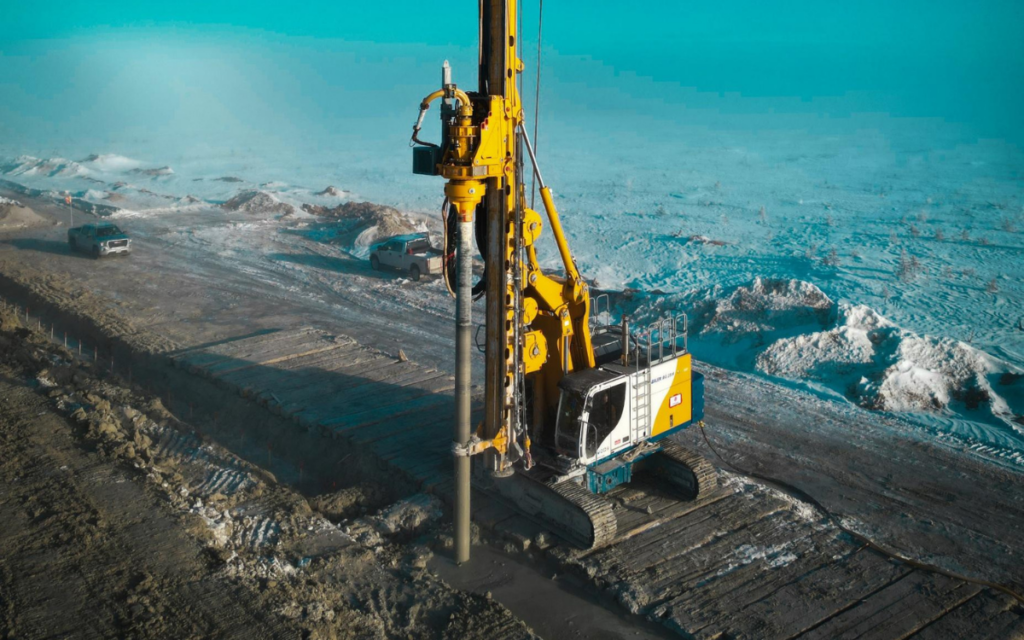
Soil Mixing
Soil mixing refers to various methods used to blend in situ soils with reagents to improve the soil properties relative to the soils alone. Soil mixing can be used to solve a variety of geotechnical and environmental problems.
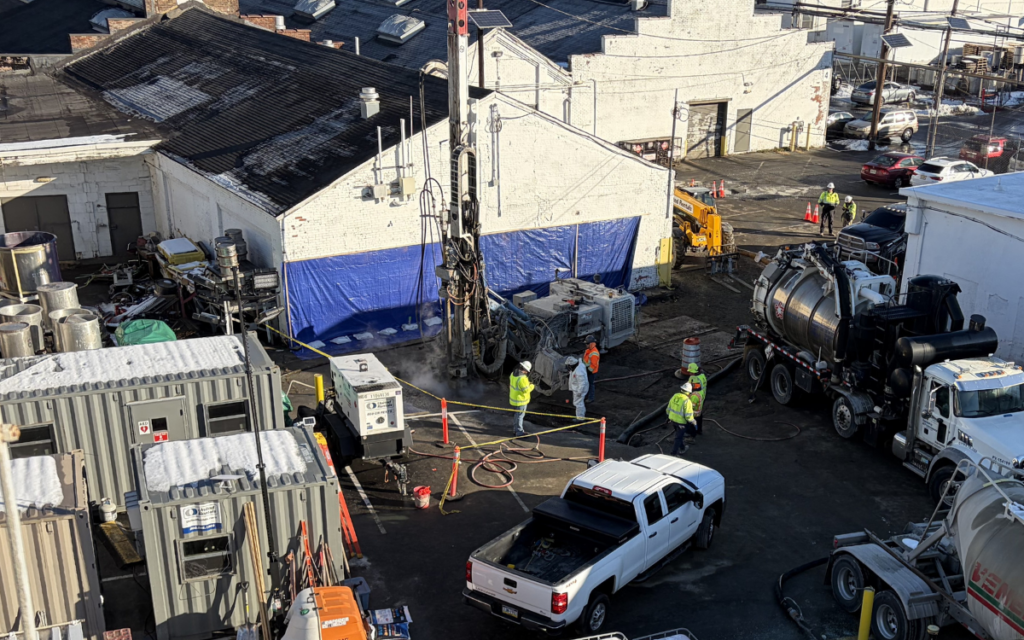
Jet Grouting
Jet grouting is a blend of grouting and soil mixing where the soils are mixed with a grout using a high‑pressure fluid stream to create soil‑cement columns or panels. Jet grouting is a great tool for accomplishing stabilization or solidification in tight access areas, when discrete vertical treatment is required, or where there are subsurface or overhead utilities.
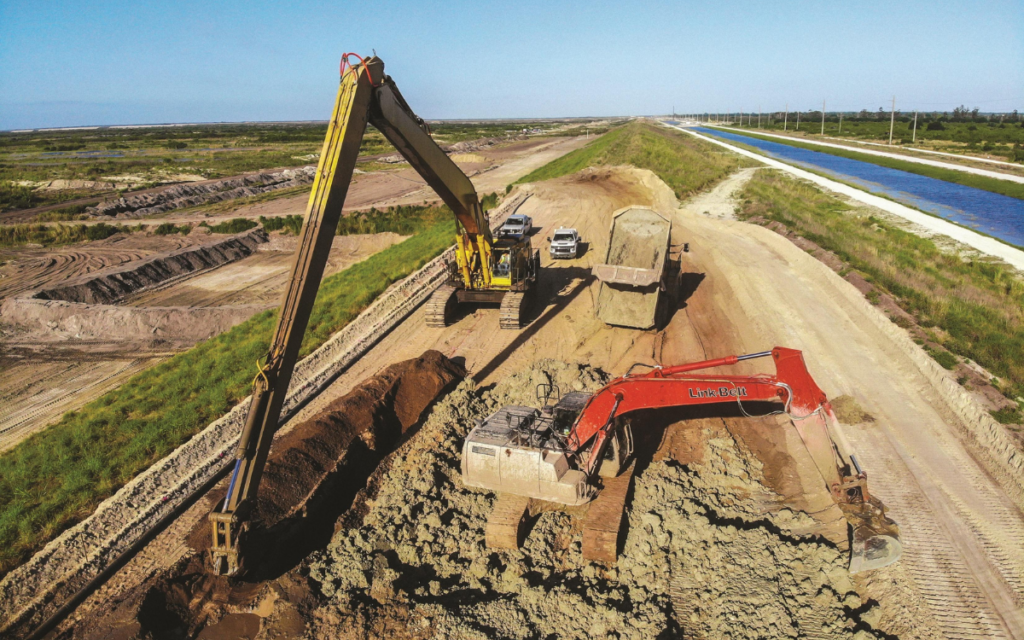
Slurry Trenching (Walls)
Slurry trenching refers to a method of installing deep, narrow structures in the subsurface without the need for conventional excavation support or dewatering. The technique relies on a slurry, an engineered fluid that is often bentonite clay mixed with water, to balance the lateral earth pressure of the soils.
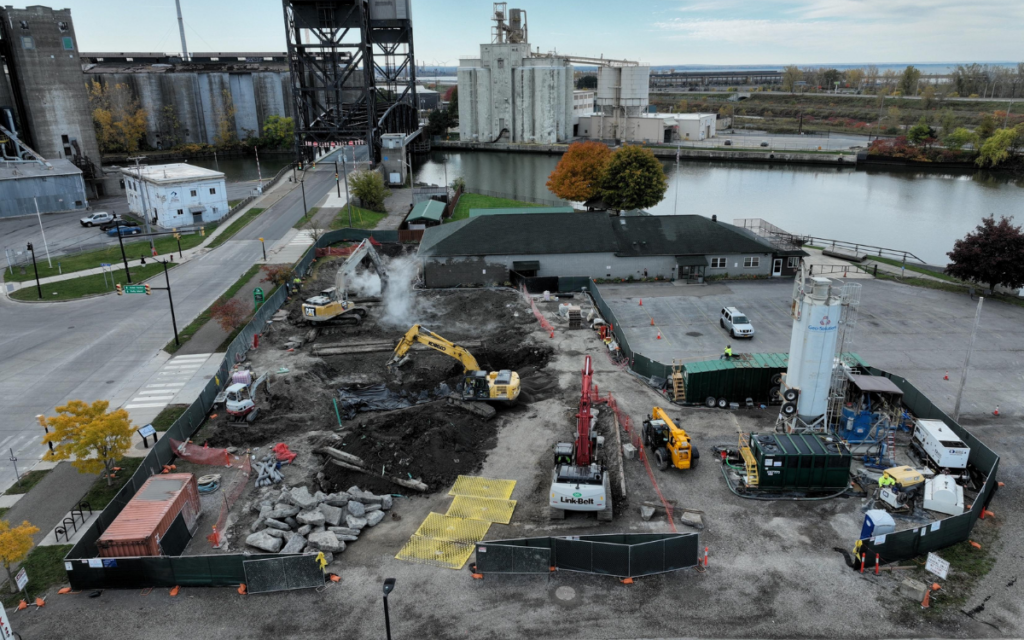
Bearing Capacity Improvements
Bearing capacity improvement refers to methods used to increase the load‑carrying capacity of weak soils. Soil mixing and rigid inclusions are commonly used to improve bearing performance and reduce settlement.
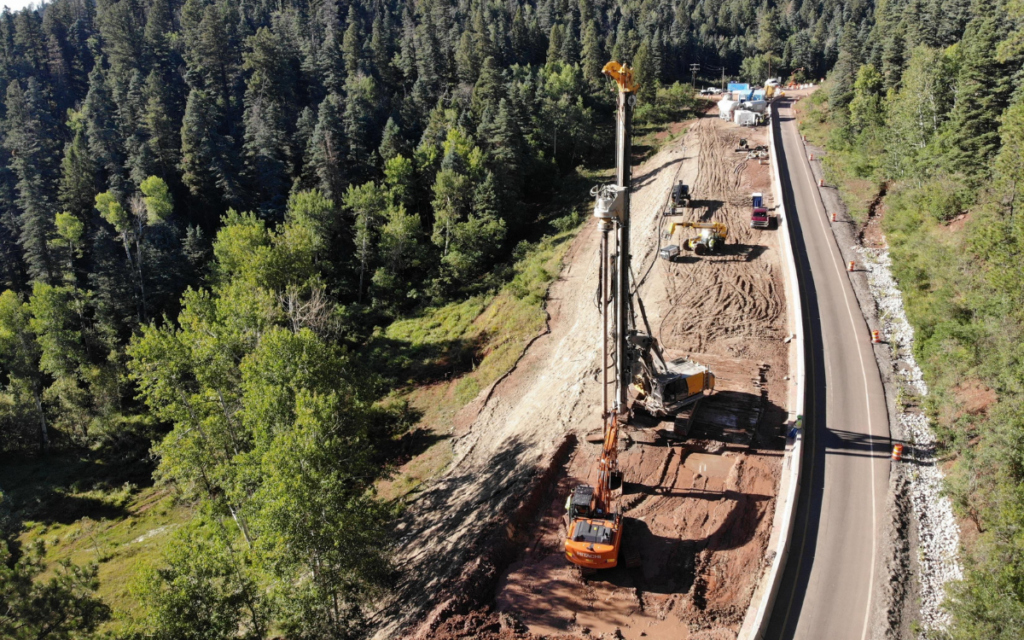
Slope Stability
Slope stability refers to methods used to resist lateral movement of slopes during loading or unloading, above and below the slope respectively. Shear walls installed via soil mixing are a common ground improvement system used for slope stabilization.
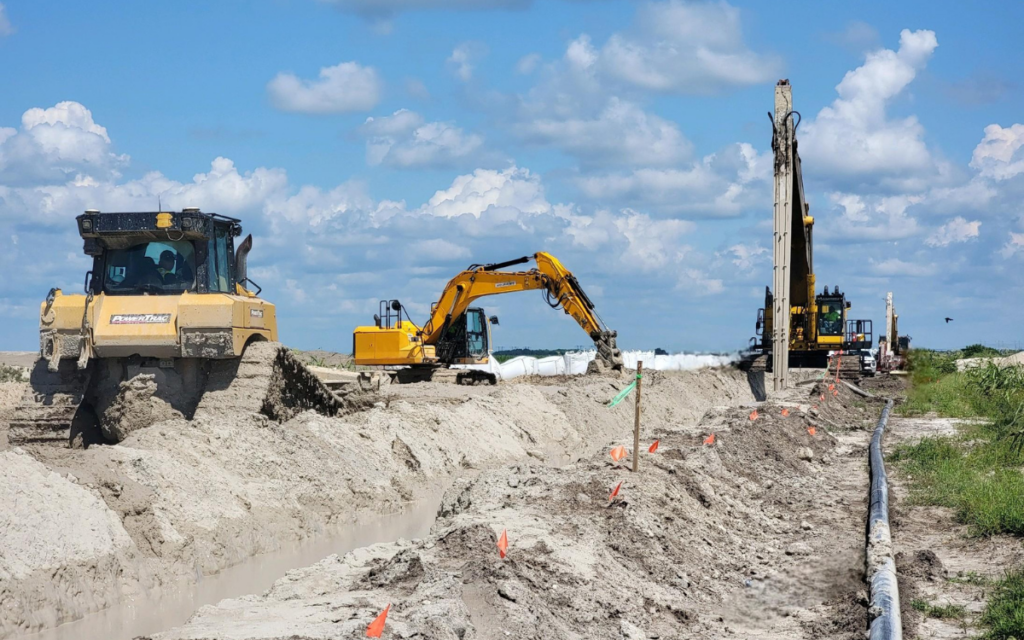
Cutoff Walls
Cutoff walls are low permeability vertical elements installed in the subsurface to control horizontal groundwater flow and limit contaminant migration. Common technologies for installing cutoff walls include slurry trenching and soil mixing.