
Trencher (Continuous Trenching / Chain Mixing)
High-efficiency narrow cutoff wall construction and in-situ soil mixing
Overview Trencher (Continuous Trenching / Chain Mixing)
GSI’s trenchers, also referred to by the term chain mixers, are specialized pieces of equipment designed for constructing deep and narrow cutoff walls performed using a method of in-situ soil mixing. It consists of a large mixing chain mounted on a tracked chassis, capable of continuous operation for installing linear elements. This tool is an alternative where slurry trenching or large auger methods are impractical.
The trencher mixes soils in place with reagents (wet or dry) to reduce permeability and improve stability. It can also be used to perform excavation and replacement operations, allowing removal of native material and replacement with select permeable media to build collection trenches or permeable reactive barriers (PRBs). GSI’s equipment can be used for cutoff walls up to 70 feet deep and collection trenches / PRBs up to 50 feet deep. Wall widths of 24 to 36 inches are possible depending on the site conditions. The continuous chain mechanism promotes efficient vertical mixing and rapid installation across various soil conditions.
key benefits
- Enables installation where unstable ground makes slurry trenching unsafe or ineffective
- Can be faster than conventional slurry trench or auger soil mixing for shallow and intermediate depths
- Achieves nearly homogeneous vertical mixing for consistent barrier performance
- Reduces contact hazards on contaminated sites, improving worker safety
- Operates effectively within tight access constraints where larger platforms cannot be mobilized
Applications
- Cutoff Walls – Hydraulic barriers for groundwater control in dams, levees, or remediation projects
- Permeable Reactive Barriers (PRBs) – Subsurface systems for in-situ treatment of contaminated groundwater
- Collection Trenches – Trenches backfilled with permeable aggregate or media for seepage collection
- In-situ Stabilization/Solidification – Mixing of reagents with contaminated soils for treatment and immobilization
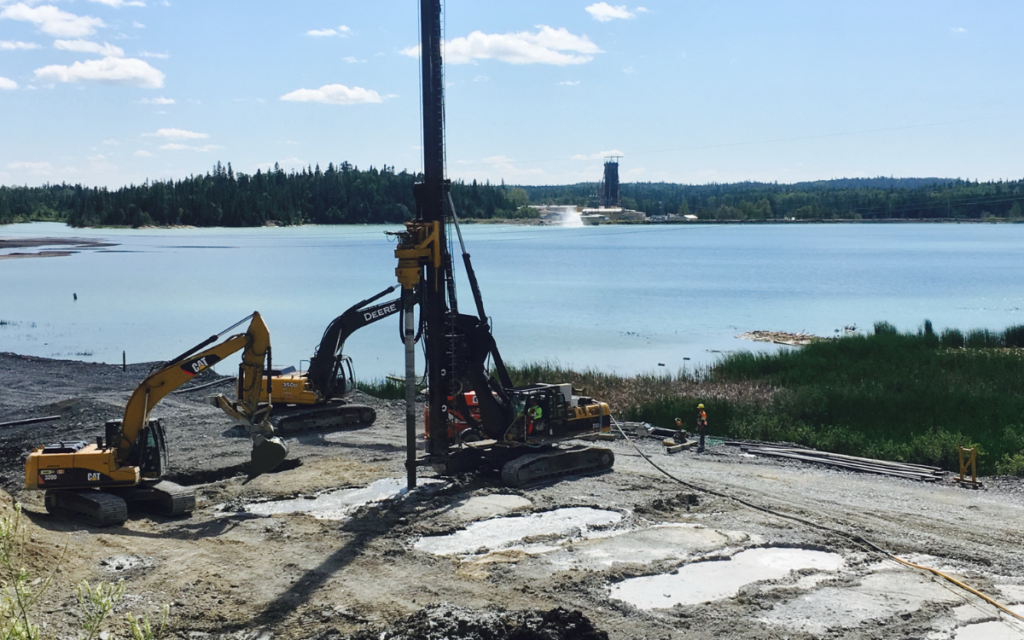
Ground Improvement
Ground improvement refers to methods used to improve (often strengthen) weak, compressible, variable, or undesirable soils for specific performance enhancement. Soil mixing and rigid inclusions are common ground improvement solutions used to control settlement and improve subsurface behavior.
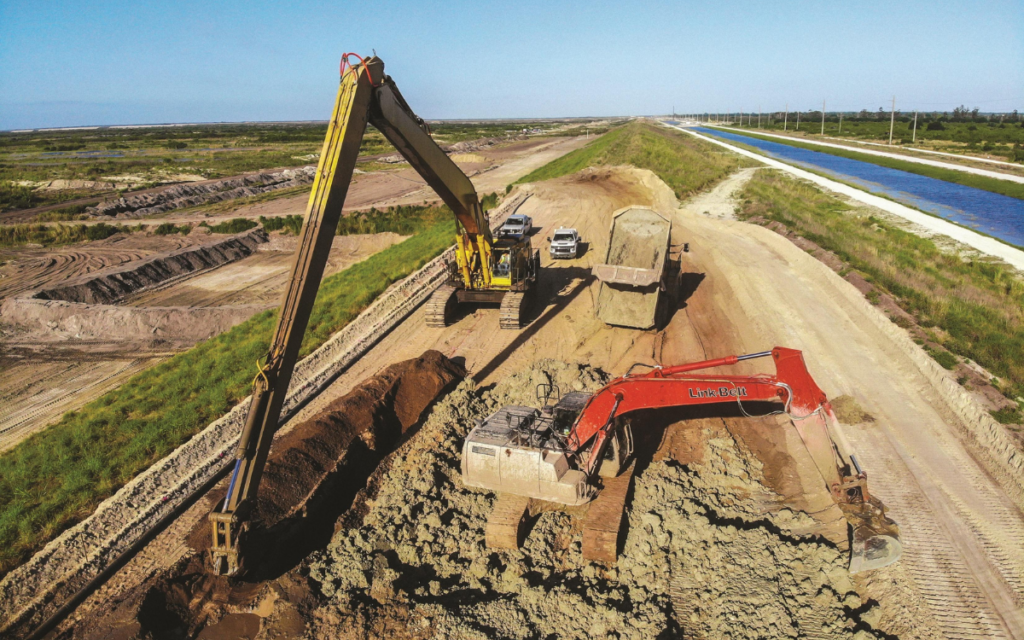
environmental remediation
Environmental remediation refers to methods for isolating, stabilizing, and treating contaminated soil, sediment, and groundwater. In situ stabilization and solidification performed using soil mixing is a common environmental remediation approach.
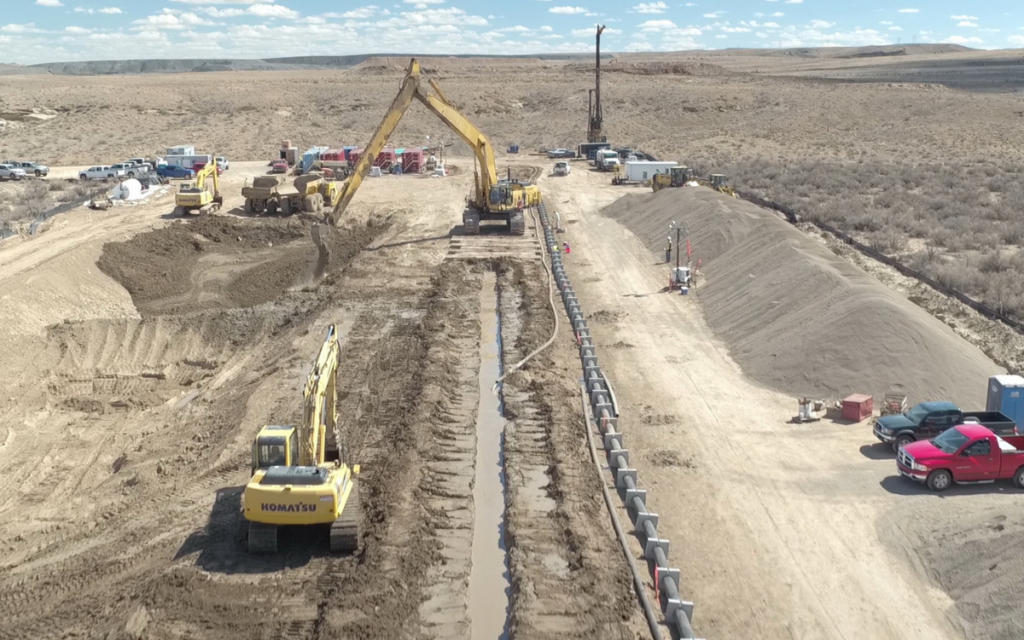
Groundwater Control
Groundwater control refers to methods that address seepage, hydraulic pressure, and subsurface water movement that affect excavation safety and structural performance. Cutoff walls and deep drains are common solutions used to manage groundwater in complex site conditions.
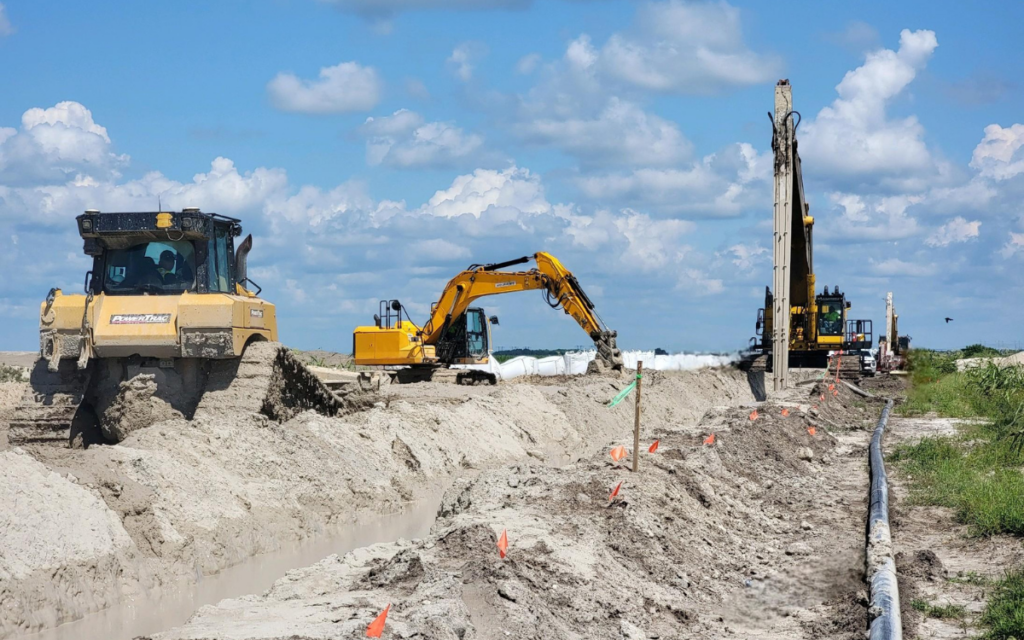
Cutoff Walls
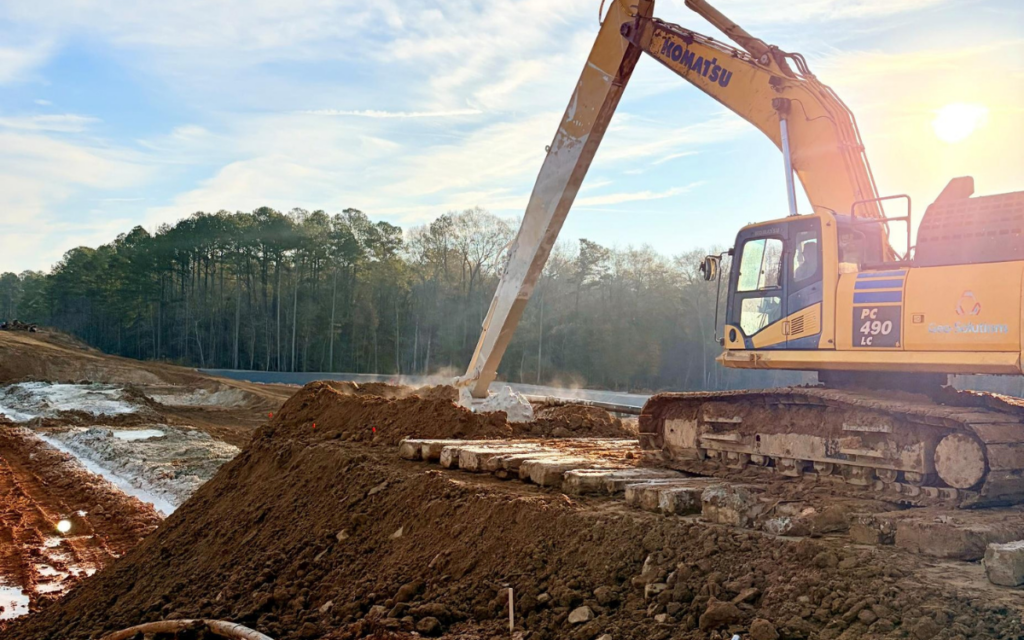
Cutoff walls are low permeability vertical elements installed in the subsurface to control horizontal groundwater flow and limit contaminant migration. Common technologies for installing cutoff walls include slurry trenching and soil mixing.
Deep Drains
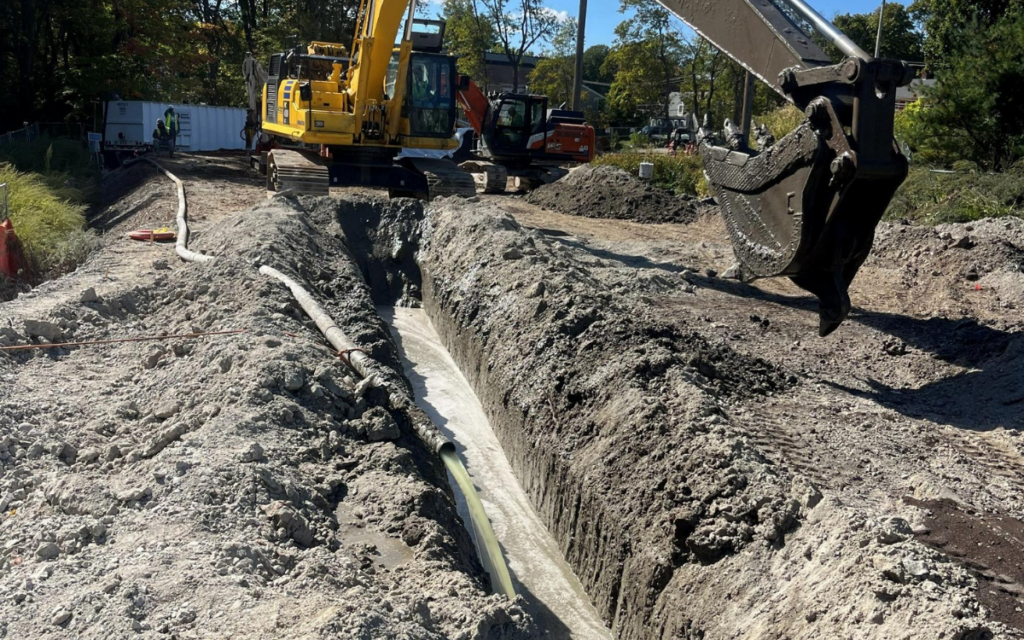
Deep drains refer to high‑permeability subsurface systems used to control lateral groundwater flow. Polymer slurry trenching is a common method of installing deep drains that can include horizontal piping systems or just be trenches filled with permeable media.
Permeable Reactive Barriers
Permeable reactive barriers are high permeability passive groundwater treatment systems that allow groundwater flow through the barrier where the groundwater interacts with reactive media in the barrier. Permeable reactive barriers can be installed via polymer slurry trenching or with a chain trencher.